Teresina Mayor Pledges IPTU Reimbursement if Court Upholds Tax Ruling
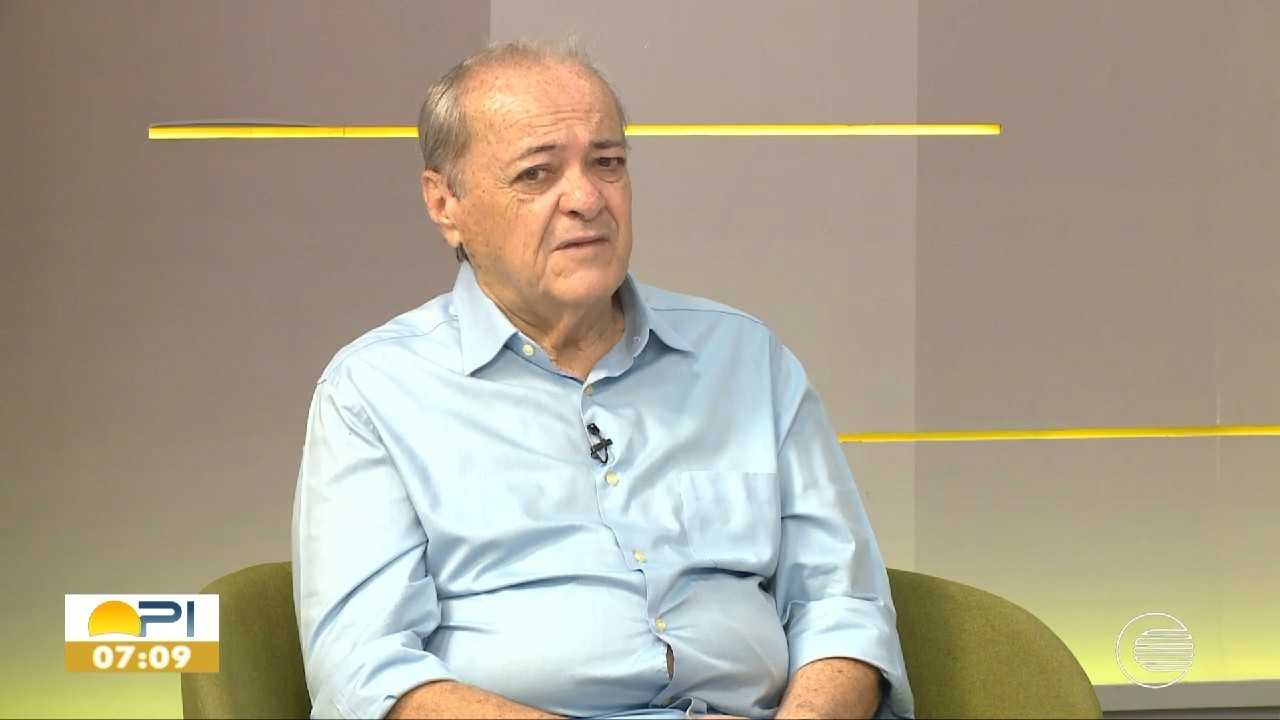
Teresina Mayor Sílvio Mendes announced on Friday, February 17th, that the municipality will appeal a judicial decision concerning the 2026 IPTU (Property Tax) collection. If the ruling is upheld, the city will promptly reimburse any taxpayers who paid more than legally required. Mendes stated that the city plans to appeal the decision, which prohibited the tax collection via decree. He assured that reimbursements would be processed quickly within the current year if necessary. The Teresina City Hall had previously suspended the 2026 IPTU collection for properties with existing structures, including homes, apartments, and commercial establishments, on Wednesday, February 15th. This suspension was in compliance with a ruling by the Piauí Court of Justice (TJ-PI). According to the mayor, taxpayers who wish to continue paying the tax can do so voluntarily. However, Mendes cautioned that those who opt not to pay within the established deadline could face interest and fines if the final judicial decision mandates the tax collection. He advised residents to visit the Taxpayer Service Center in downtown Teresina for in-person assistance to clarify doubts and arrange for voluntary payment. The mayor also indicated that the municipality would present detailed explanations of the IPTU calculation methods to the court to justify their approach and await the final judicial decision.
The Teresina municipal government faces a legal challenge regarding its method of IPTU collection, specifically its use of a decree. The mayor's commitment to reimbursement suggests an acknowledgment of potential procedural missteps, while the decision to appeal indicates a belief in the underlying legality of the tax itself. This situation highlights the ongoing tension between executive authority and judicial oversight in municipal finance. The city's strategy involves justifying its calculation methods, aiming to demonstrate that the tax's substance is sound, even if its procedural execution was questioned. Future municipal governance may need to incorporate more robust legal review of tax collection mechanisms to avoid such disputes, ensuring alignment with constitutional and judicial precedents to foster taxpayer confidence and fiscal predictability.
AI-generated to prompt reflection — not editorial opinion, not advice, not a statement of fact. How this works.