Teresina Polyclinic Project Stalled for Nearly a Year Amidst Abandonment and Vandalism
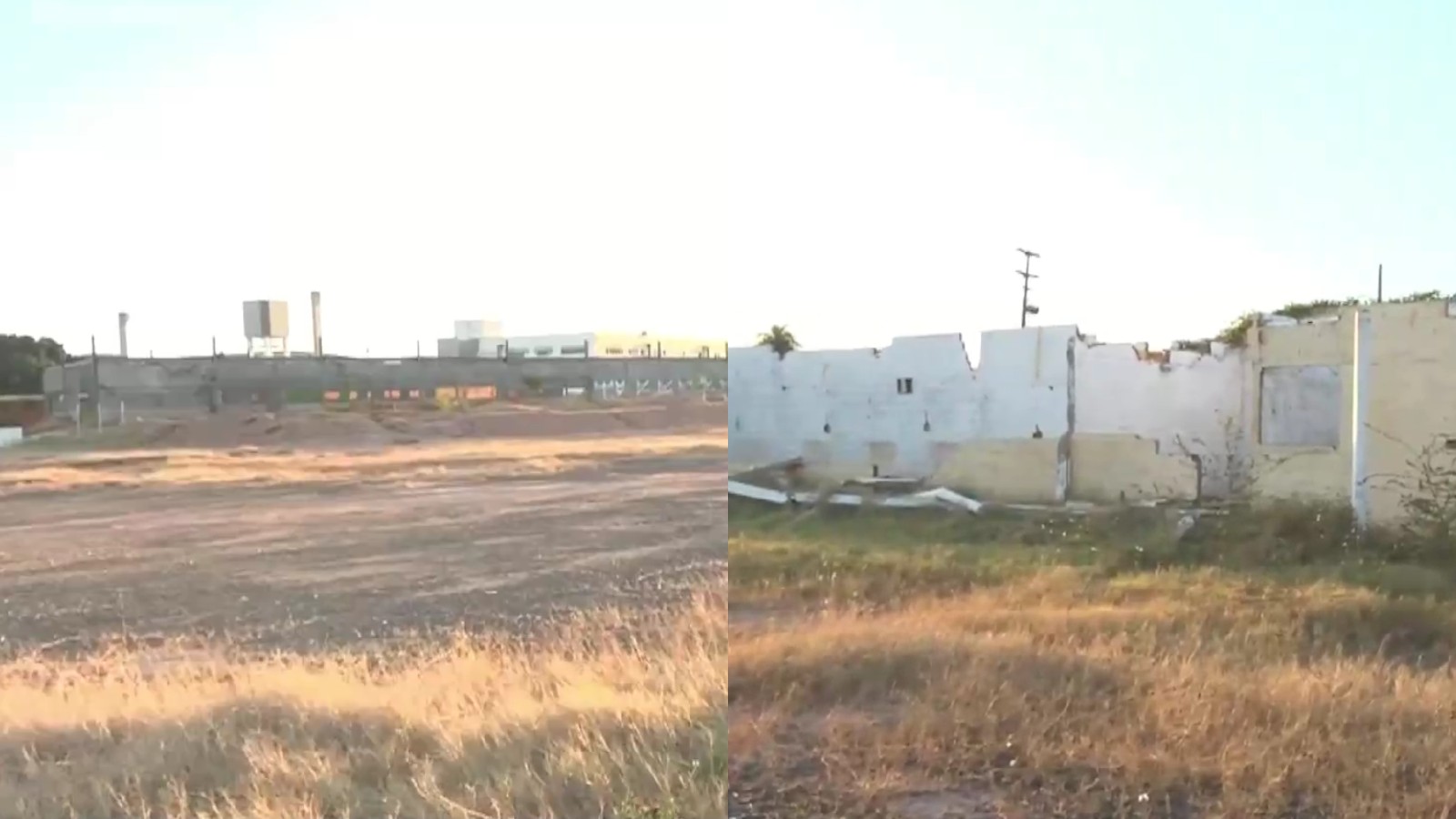
The construction of a new polyclinic in Teresina, Brazil, has been stalled for nearly a year since its announcement. The designated site on Avenida Miguel Rosa in the city's South Zone is now abandoned, characterized by overgrown vegetation, graffiti, and stolen protective barriers. The lack of fencing has facilitated unauthorized access and vandalism, leading to damage to existing structures, some of which have collapsed due to weather exposure. The land, initially intended for the construction of a Women's Hospital, was reportedly acquired for R$ 16 million, significantly higher than its assessed value of R$ 2 million, according to a municipal inquiry into alleged debts from the previous administration. The Women's Hospital project, initially budgeted at R$ 58 million and later revised to R$ 100 million, had begun with earthmoving, foundations, and structural assembly before halting in early 2025 following a change in municipal leadership. In September, the Municipal Health Foundation (FMS) announced a strategic reorientation towards building a polyclinic instead. FMS President Leopoldina Cipriano cited a lack of federal funding guarantees for the hospital and the municipality's existing high healthcare expenditures as reasons for the shift. Despite the uncertainty surrounding the Avenida Miguel Rosa site, the Ministry of Health and the Piauí State Government have initiated the construction of a separate, new polyclinic in June of this year. This new facility, budgeted at R$ 21 million, will be located next to the Areolino de Abreu Hospital and aims to expand specialized SUS services for Teresina and surrounding areas.
The stalled polyclinic project in Teresina highlights potential systemic issues in public infrastructure development, including procurement irregularities and project continuity challenges across administrative transitions. The significant price discrepancy in land acquisition and the subsequent project redefinition from a hospital to a polyclinic suggest a need for greater transparency and robust financial oversight in municipal planning. The abandonment and vandalism of the site underscore the importance of site security and community engagement to ensure public investments are protected and utilized effectively. Looking ahead, ensuring clear funding streams, rigorous project management, and strategic alignment with public health needs will be critical for the successful delivery of healthcare infrastructure, particularly in the context of evolving urban development and resource allocation.
AI-generated to prompt reflection — not editorial opinion, not advice, not a statement of fact. How this works.