Teresina Public Cleaning Tender Worth Nearly R$500 Million Allowed to Continue
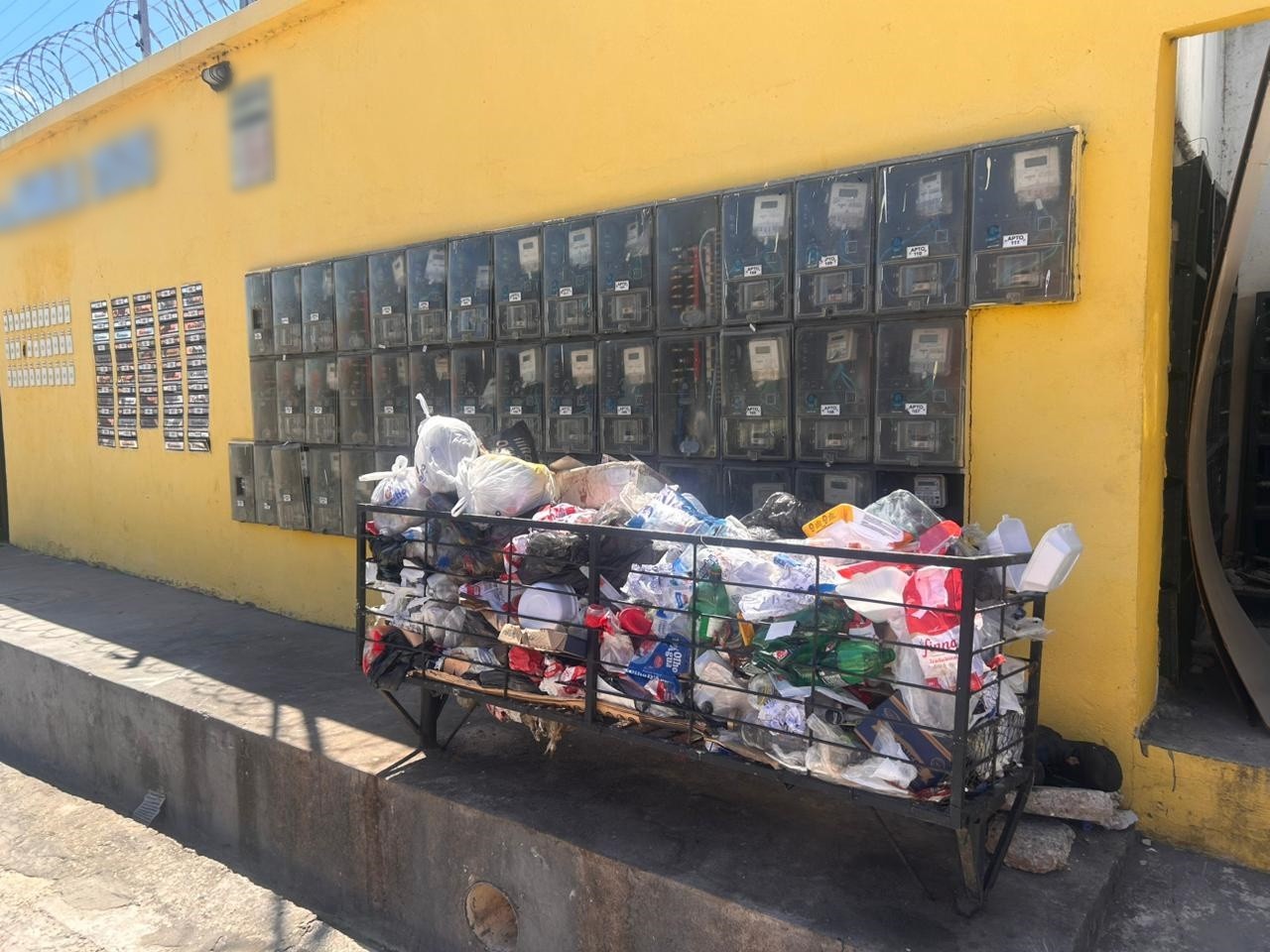
A judicial decision on Friday, May 24th, has authorized the continuation of a public tender valued at nearly R$500 million for Teresina's public cleaning services. This follows a previous suspension of the bidding process on Wednesday, May 22nd, also by judicial order. The tender, Electronic Competition No. 64/2026, involves contracting companies for waste collection, solid waste transport, and urban maintenance services in the capital city. The initial suspension occurred after a company alleged that the Teresina City Hall initiated a new bidding process without formally revoking or annulling the prior one. However, the court determined this premise to be factually mistaken, indicating that the tender was likely re-published within the same administrative process rather than a new one being opened. The judiciary also emphasized that suspending the tender could jeopardize the continuity of essential urban cleaning services. This current decision is provisional, with the full merits of the appeal yet to be judged by a court panel. Previously, in June, the 2nd Court of Public Finance Matters had halted the tender due to alleged flaws in the bidding documents, including errors in cost spreadsheets and social charge calculations.
This judicial back-and-forth over Teresina's public cleaning tender highlights the critical role of procedural integrity in large-scale public procurement. While the court's latest decision prioritizes service continuity, the repeated suspensions underscore potential systemic issues in the bidding process's design or execution. Future tenders of this magnitude, especially those involving essential services and significant public funds, would benefit from enhanced transparency and dispute resolution mechanisms. Ensuring that all potential bidders have clear, equitable access to information and that administrative processes are meticulously followed can mitigate risks of legal challenges and delays, ultimately serving the public interest more effectively.
AI-generated to prompt reflection — not editorial opinion, not advice, not a statement of fact. How this works.