Teresina's Maranhão Avenue Replaces Roundabout with Traffic Lights, Altering Traffic Flow
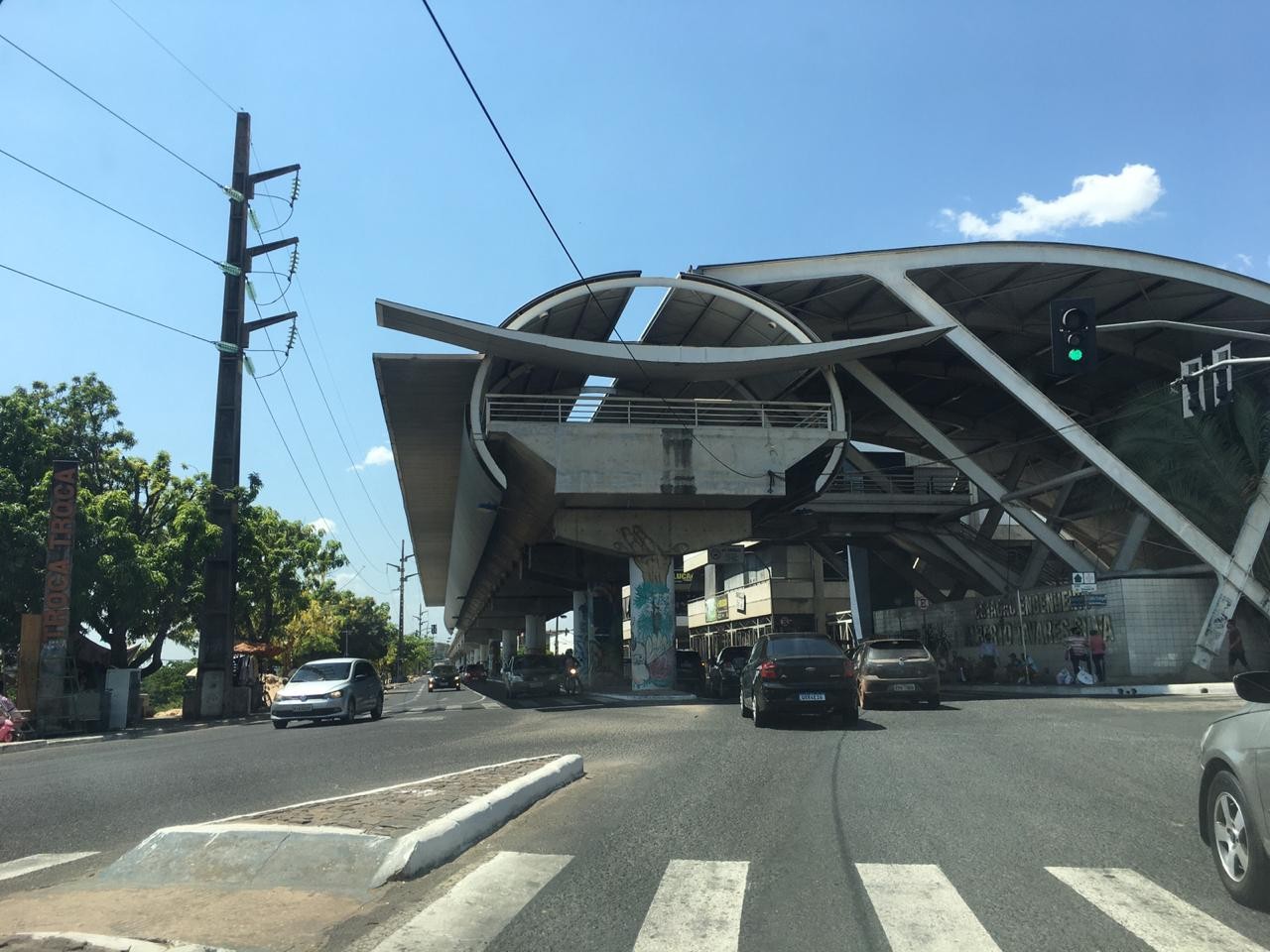
Teresina's Avenida Maranhão is undergoing a significant traffic transformation as a roundabout at the intersection with Avenida Joaquim Ribeiro is being replaced by a traffic light system. This change, initiated on Wednesday, May 15th, is expected to take 15 days to complete and will cause temporary traffic disruptions. The Municipal Superintendence of Transport and Traffic (STRANS) is overseeing the project. In addition to the roundabout conversion, a new traffic light will be installed at the junction of Avenida Maranhão and Avenida Nações Unidas. STRANS stated that these changes are a response to technical studies indicating an increased vehicle flow in the area, particularly from drivers coming from Timon, the Administrative Center, and other key destinations. During the construction period, traffic on Avenida Maranhão will only be affected for vehicles traveling in the North-South direction. The South-North flow will remain unchanged. For those heading North-South, turns will be restricted to only accessing the Administrative Center. Drivers on Avenida Joaquim Ribeiro are advised to use the roundabout connecting Avenida Pedro Freitas and Avenida João Cabral as an alternative route while the work is in progress.
The transition from a roundabout to a signalized intersection on Avenida Maranhão in Teresina reflects a common urban planning response to increasing traffic volume and complexity. While traffic lights can offer more precise control over flow and potentially improve safety by reducing conflict points, they can also introduce new challenges such as increased idling emissions and potential for congestion during off-peak hours if not optimally timed. The decision highlights a need for continuous infrastructure adaptation in growing urban centers. Future planning should consider integrated traffic management systems that leverage real-time data to dynamically adjust signal timings, thereby optimizing throughput and minimizing environmental impact, aligning with the evolving demands of smart city initiatives.
AI-generated to prompt reflection — not editorial opinion, not advice, not a statement of fact. How this works.