Teresina's São Marcos Hospital Halts New Cancer Patient Admissions Due to Funding Shortfall
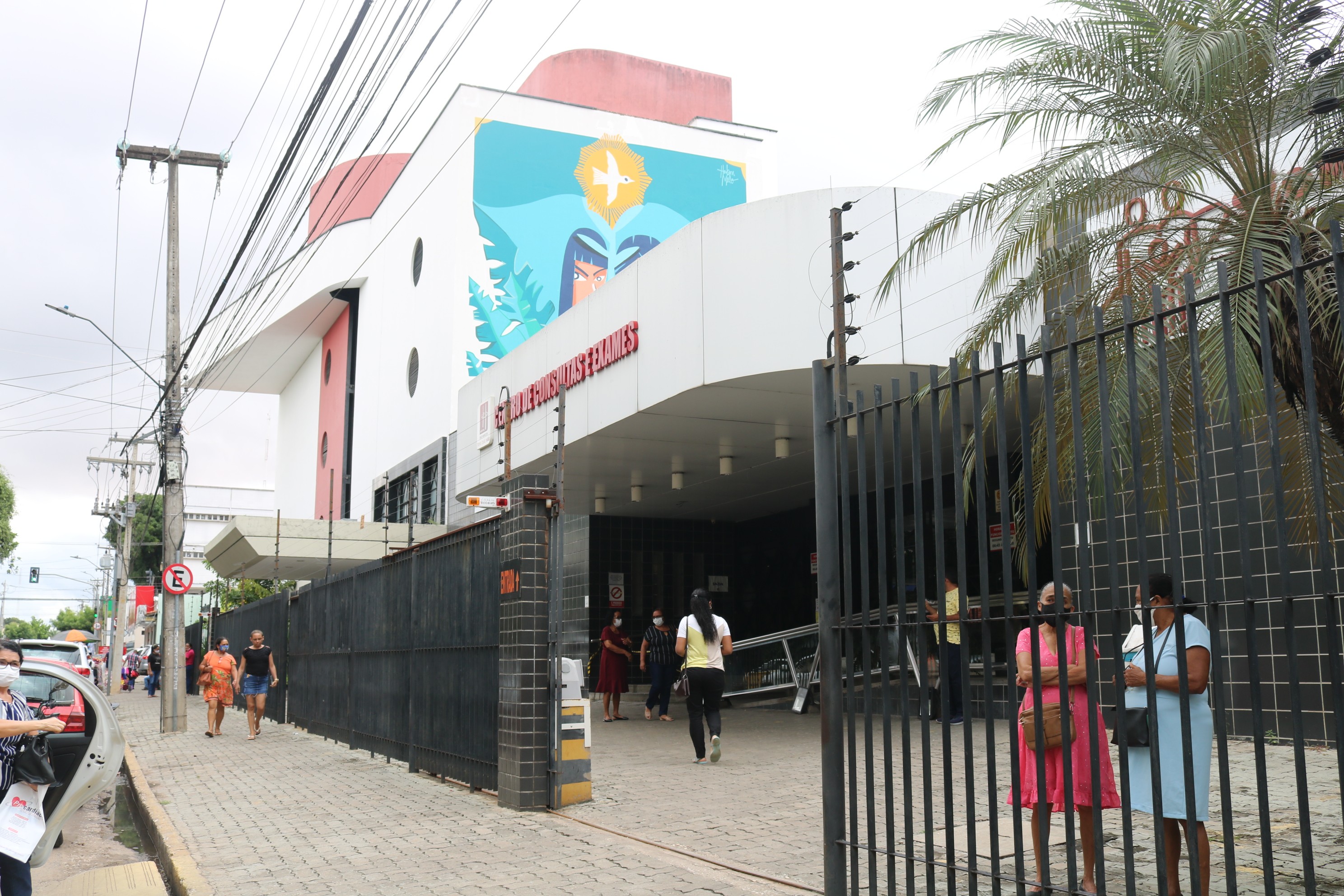
Hospital São Marcos in Teresina, Brazil, has suspended the admission of new oncology patients, citing insufficient funding from the Unified Health System (SUS). The hospital announced on Monday, February 6th, that it requires an additional R$ 4 million per month, beyond current SUS reimbursements, to resume treating cancer patients. According to the institution, the existing financial support does not cover the costs of the services provided. The temporary halt, effective since Friday, February 3rd, aims to ensure the continuity of treatment for existing patients. Technical director Marcelo Martins emphasized that the financial difficulties stem from inadequate SUS reimbursement rates, not internal management issues. He stated that São Marcos receives significantly less per patient compared to similar oncology centers in other Brazilian states. Data from 2023 indicates that the Hospital Oncológico Infantil do Pará receives 4.5 times the SUS base rate per child, and AC Camargo Câncer Center in São Paulo receives 3.9 times, while Hospital São Marcos receives only 1.1 times the base rate. This underfunding, Martins argues, places the hospital in a precarious financial situation. The hospital performs nearly 40,000 oncology treatments annually and is a major provider of cancer care in Brazil, conducting approximately 4,900 chemotherapy sessions monthly. Martins warned that the collapse of São Marcos would severely impact cancer care in Piauí, as no other facility in the state can absorb the current demand. Both the Municipal Health Foundation (FMS) and the State Health Secretariat of Piauí (Sesapi) have been informed, with officials acknowledging the insufficiency of current funding. The FMS is seeking R$ 90 million from the Ministry of Health for Teresina's oncology services. In the interim, new patients will be referred to Hospital Getúlio Vargas and the University Hospital. Hospital São Marcos advocates for a contract revision to ensure reimbursement aligns with the complexity and scale of its services.
The situation at Hospital São Marcos highlights a critical systemic issue within Brazil's public healthcare funding model, particularly concerning specialized care like oncology. The hospital's assertion of receiving significantly lower reimbursement rates than comparable institutions suggests a potential disconnect between SUS fee schedules and the actual costs of advanced cancer treatment. This disparity creates an unsustainable environment for high-demand public service providers, forcing difficult decisions that directly impact patient access. Moving forward, a comprehensive review of SUS reimbursement policies for complex medical services is warranted. This analysis should consider regional cost variations and the specific financial demands of specialized treatments to ensure equitable and sustainable healthcare delivery across the nation, preventing a reliance on ad-hoc funding requests or service suspensions that jeopardize patient care.
AI-generated to prompt reflection — not editorial opinion, not advice, not a statement of fact. How this works.