Teresina Senior Center Closure Leaves Hundreds Without Services
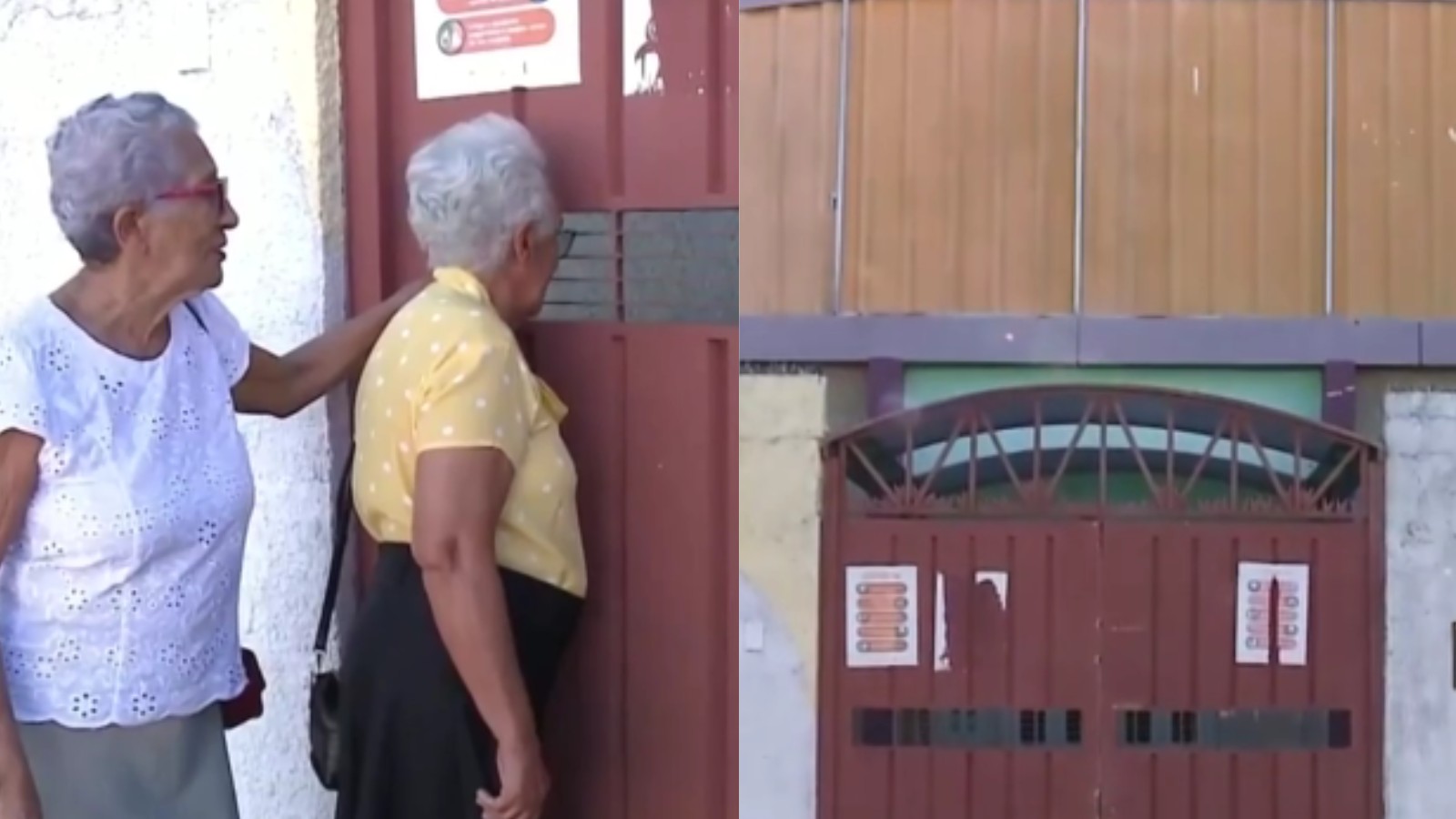
The Pedro Arrupe Social Center in Teresina, Brazil, has been closed for over a year, leaving more than 300 elderly individuals without vital services. The center, operated by Rede Jesuítas Brasil, provided leisure, social, food assistance, and psychosocial support. Its closure in May 2025 was attributed to maintenance costs, which amounted to nearly R$1 million annually.
Former center director Father Anselmo Dias attempted to negotiate the project's continuation with the Teresina City Hall but failed to reach an agreement. He stated that the center had to close due to a lack of funds and the absence of a public sector response. The Municipal Secretariat of Citizenship, Social Assistance, and Integrated Policies (Semcaspi) explained that the proposed rental cost for the facility was deemed incompatible with public spending guidelines, preventing a contract.
Semcaspi asserts that all affected seniors were integrated into the municipality's social assistance network and redirected to other facilities, such as the Jatobá and Marly Sarney Convocation Centers and local CRAS services. Founded in 1966, the Pedro Arrupe Social Center was a non-profit organization that operated weekdays. Former attendees, like retiree América Rodrigues, expressed deep sadness over the closure, highlighting the loss of social interaction and the negative impact on their daily routines.
The closure of the Pedro Arrupe Social Center highlights a systemic tension between the operational costs of essential community services and municipal budget constraints. While the city government asserts that no individuals were left without support, the relocation of over 300 seniors to alternative facilities may not fully replicate the specific social and psychological benefits previously offered by the Pedro Arrupe Center. The situation underscores the challenge of sustaining non-profit initiatives that rely on a combination of private funding and public partnerships, particularly when rental costs for essential infrastructure become prohibitive. Future urban planning and social service provision models could benefit from exploring more sustainable funding mechanisms and integrated facility management to ensure the continuity of care for vulnerable populations, especially in the face of rising operational expenses.
AI-generated to prompt reflection — not editorial opinion, not advice, not a statement of fact. How this works.