Terra da Gente Explores Uruguay River for Brazil's Fastest Fish
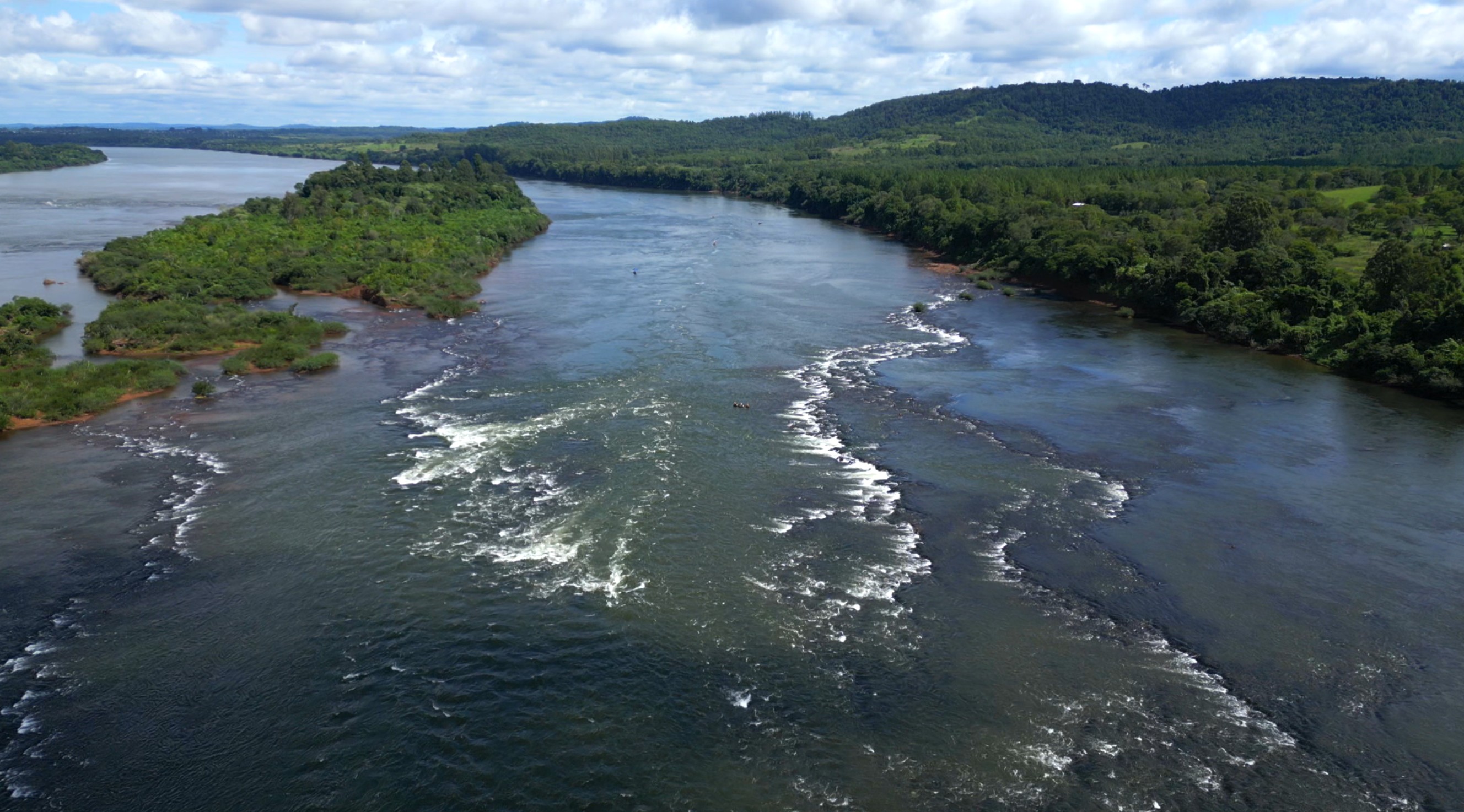
The "Terra da Gente" program ventures into Rio Grande do Sul, Brazil, focusing on Porto Xavier, a municipality situated on the banks of the Uruguay River bordering Argentina. This region, home to nearly 10,000 inhabitants, showcases a distinct German influence, local customs, traditional music, and the renowned Gaúcho barbecue. Beyond cultural immersion, the team explores the rich fauna of the Uruguay River, highlighting the dorado (Salminus brasiliensis) as a particularly successful fish species in the area. The river's strong currents, oxygenated by rocks, provide the dorado with extra energy for hunting, as prey becomes sluggish in the dynamic waters. Its hydrodynamic body and powerful tail muscles enable efficient swimming and rapid bursts of speed, reaching up to 30 km/h, making it one of the river's most skilled predators. The dorado hunts during daylight, leveraging the river's flow and seeking refuge behind large rocks. During the spawning season, known as piracema, these fish undertake extensive migrations of 500 to 1,500 kilometers for reproduction. In Argentina, the dorado is nicknamed "water tiger" due to its dark spots resembling those of Asian tigers. The Uruguay River, forming the border between Brazil and Argentina, offers a landscape rich in scenery, culture, tradition, and diverse wildlife.
This report details a nature and cultural exploration along the Uruguay River, focusing on the dorado fish and local traditions. The narrative highlights the dorado's biological adaptations for speed and predation, linking them to the river's specific environmental conditions. It also touches upon the cultural heritage of Porto Xavier, influenced by German immigration and Gaúcho barbecue practices. The segment serves to educate viewers about biodiversity and regional culture, framing the natural environment as a resource for both ecological study and human sustenance and tradition. The analysis of the dorado's speed and hunting behavior provides insight into the intricate relationship between species and their habitat, underscoring the importance of river ecosystems. Future ecological assessments could explore the long-term impacts of environmental changes on such specialized species and their migratory patterns.
AI-generated to prompt reflection — not editorial opinion, not advice, not a statement of fact. How this works.