Terraforming Mars: New Technologies Revive Scientific Debate
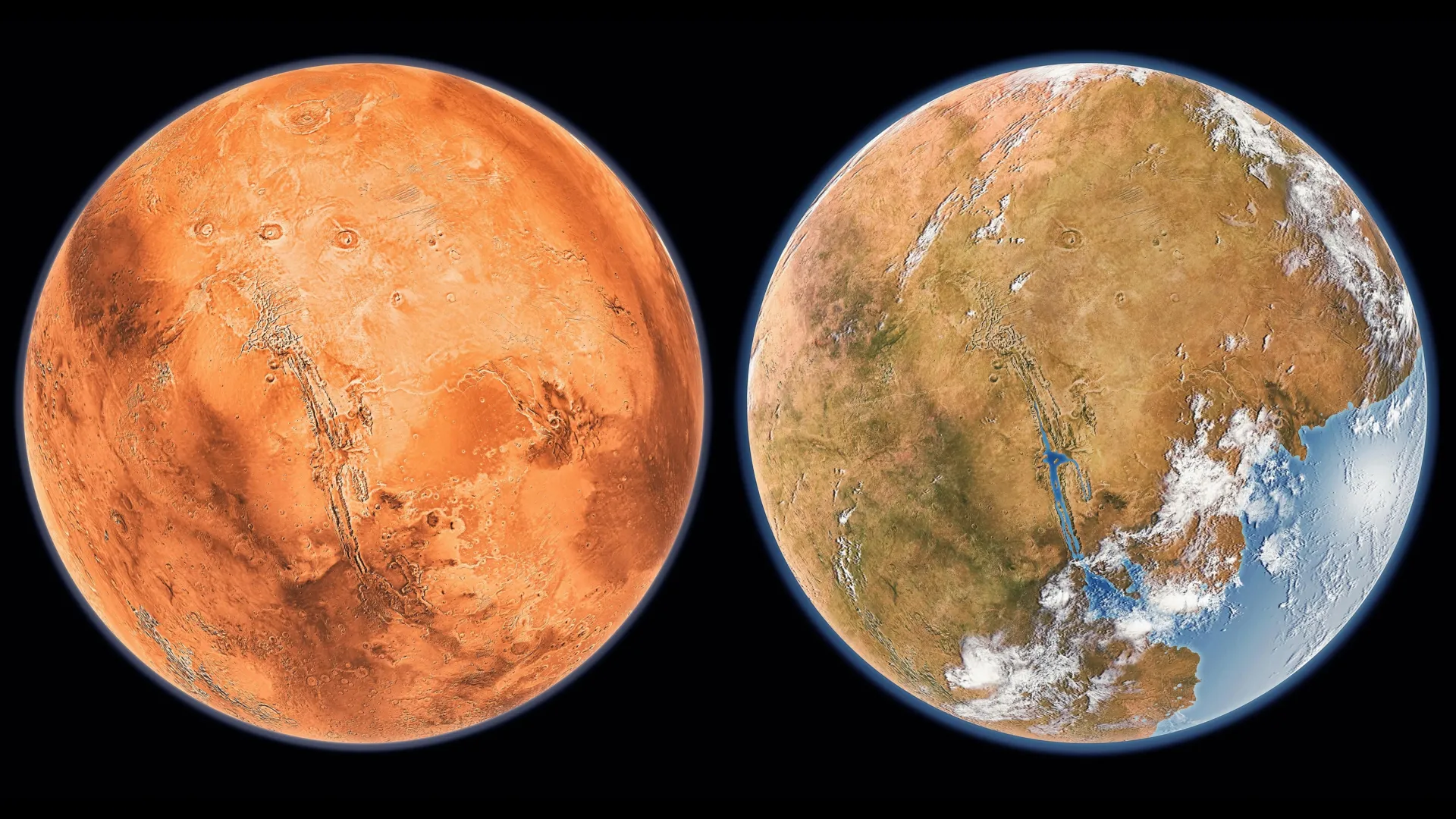
Recent advancements in technology have reignited discussions among scientists about the feasibility of terraforming Mars, transforming the planet into a more Earth-like environment. What was once considered an impossible concept is now being treated as a legitimate area of scientific research. However, before any large-scale planetary engineering efforts can be considered, researchers emphasize the critical need to thoroughly understand the potential risks involved. A primary concern highlighted by scientists is the possibility that Mars may already host indigenous life forms. The potential loss or disruption of any such existing Martian life, should it be discovered, is a significant ethical and scientific consideration that must be addressed. Therefore, further investigation into Mars's current biological status is deemed essential before proceeding with any terraforming proposals.
The renewed scientific interest in terraforming Mars reflects a broader trend of ambitious technological projects being re-evaluated in light of emerging capabilities. While the prospect of planetary engineering is captivating, a rigorous assessment of risks, particularly concerning potential extant Martian life, is paramount. This highlights a fundamental tension between humanity's drive for expansion and the ethical imperative to preserve unique biological systems, even those on a planetary scale. Future considerations will likely involve balancing speculative terraforming goals against the scientific value of Mars as a pristine environment for astrobiological discovery, necessitating robust international frameworks for planetary protection and resource utilization.
AI-generated to prompt reflection — not editorial opinion, not advice, not a statement of fact. How this works.