Terror Groups Employ AI for Attack Planning, Authorities Struggle to Respond
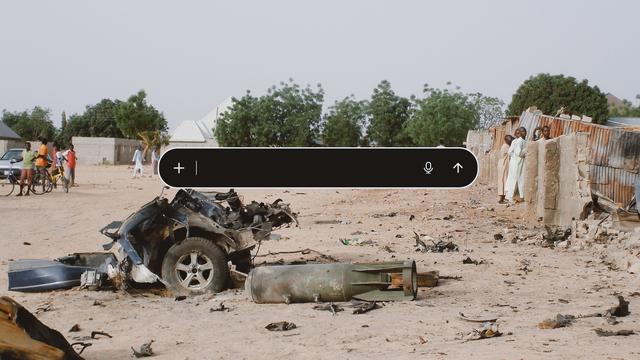
Militant organizations, including Boko Haram, are increasingly leveraging artificial intelligence (AI) to plan and execute attacks. This trend has advanced to the point where specialized AI workshops are being offered to terrorists, indicating a sophisticated adoption of the technology within extremist circles. The development poses a significant challenge for law enforcement and intelligence agencies, who appear largely powerless to counteract this evolving threat. The use of AI by these groups suggests a strategic shift towards more complex and potentially devastating operations. Authorities face an uphill battle in developing effective countermeasures against technologically adept adversaries. The accessibility of AI tools, even for illicit purposes, highlights a growing concern for global security.
AI's dual-use potential is starkly illustrated by its application in terrorist attack preparation, moving beyond theoretical concerns to practical implementation. This situation necessitates a proactive, global strategy to monitor and disrupt the weaponization of AI technologies by non-state actors. The challenge lies not only in technical countermeasures but also in addressing the underlying factors that drive groups towards such advanced methods. Future security frameworks must integrate AI governance that anticipates and mitigates misuse, fostering international cooperation to prevent a proliferation of AI-enabled extremist capabilities and ensure that technological progress does not inadvertently empower malicious actors.
AI-generated to prompt reflection — not editorial opinion, not advice, not a statement of fact. How this works.