Terrorists Attack KP Checkpost: 9 Police Officers Killed, 28 Injured
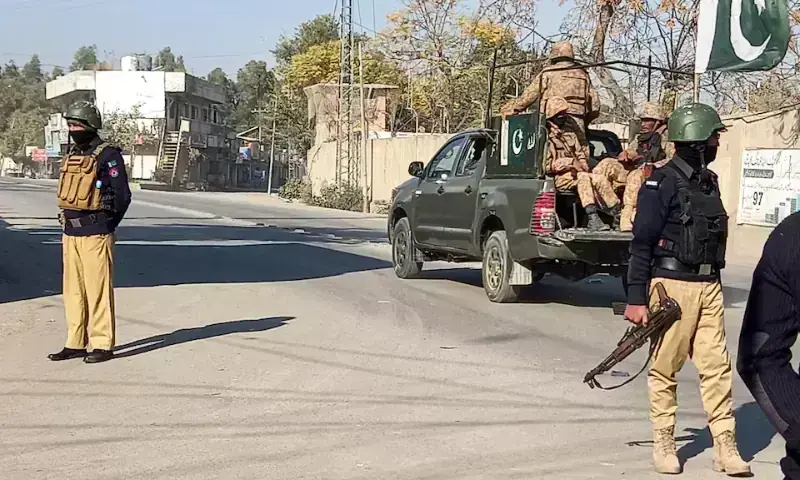
Nine police officers, including a Deputy Superintendent of Police (DSP), were killed and 28 others were injured during a terrorist attack on the Khazina Banda checkpost in Hangu district, Khyber Pakhtunkhwa, late on Wednesday. The attack was carried out by a group identified by the state as Fitna al Khawarij, associated with the banned Tehreek-i-Taliban Pakistan (TTP). According to KP Inspector General Zulfiqar Hameed, police responded bravely, but terrorists ambushed additional personnel, damaging an armored personnel carrier. During the prolonged exchange of fire, fifteen terrorists were reported killed. DSP Diyar Khan was among the nine officers martyred. The IG affirmed the strong resolve of the KP police to continue their efforts against terrorism. A separate, less severe terrorist attack occurred at a checkpost in Peshawar's Adezai area on the same night, with no injuries reported among the police. Interior Minister Mohsin Naqvi condemned the Hangu attack and offered condolences. This incident follows a recent security assessment indicating a sharp deterioration in Pakistan's security situation in May, largely due to increased terrorist violence in Khyber Pakhtunkhwa and Balochistan. Earlier on Wednesday, a joint security operation in Kabal and Matta tehsils resulted in the martyrdom of a policeman and four village defense committee members, with six terrorists killed. This incident also follows a significant attack on July 6 in Balochistan's Ziarat district, where 27 policemen were martyred in a terrorist assault.
The recurring attacks on police checkposts in Khyber Pakhtunkhwa and Balochistan highlight persistent security challenges in Pakistan. These events underscore the ongoing struggle against militant groups, with significant implications for regional stability and governance. The state's framing of militant groups, while reflecting security concerns, also shapes public perception and policy responses. The frequent casualties among law enforcement personnel indicate the intensity of the conflict and the considerable risks faced by those on the front lines. Future security strategies will likely need to address not only immediate counter-terrorism measures but also the underlying socio-economic and political factors that may contribute to radicalization and conflict. The long-term effectiveness of current approaches will depend on their ability to adapt to evolving threats and foster sustainable peace.
AI-generated to prompt reflection — not editorial opinion, not advice, not a statement of fact. How this works.