Terrorists' 'Double-Tap' Attacks Exploit Police Training Gaps, Causing Heavy Casualties
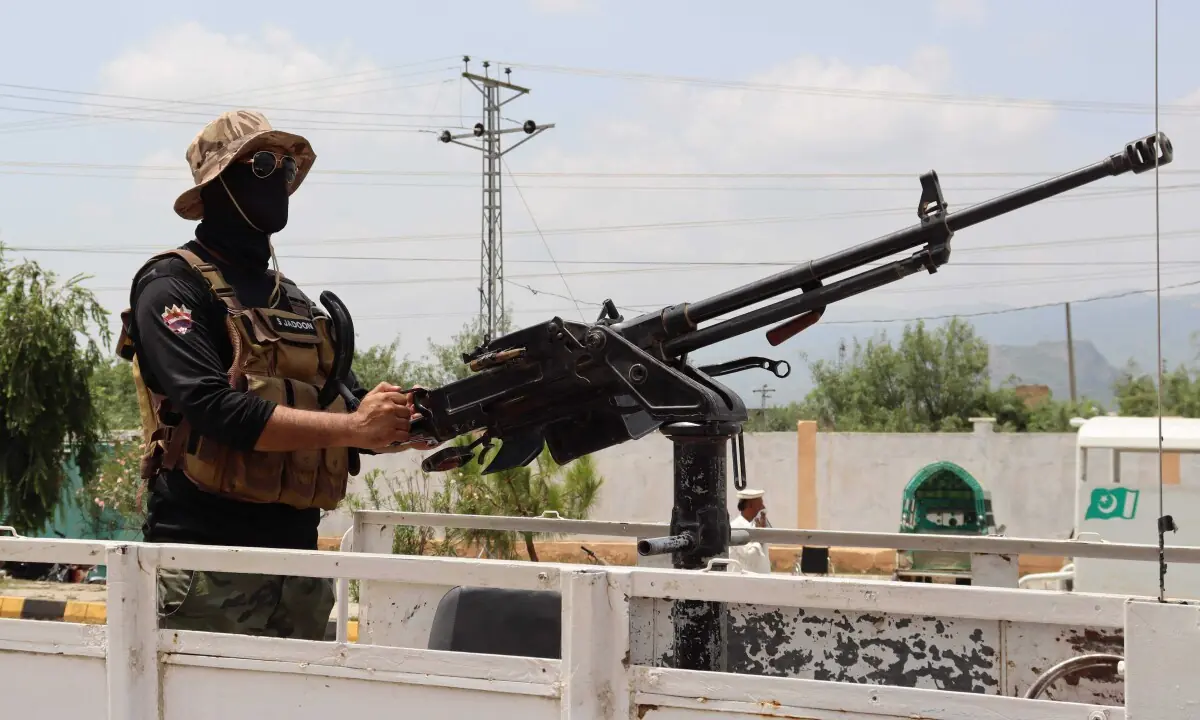
Terrorist groups are increasingly employing a 'double-tap' or 'two-stage' attack strategy, designed to maximize casualties by targeting both initial response teams and subsequent reinforcements. This tactic involves an initial assault on a police facility, while a second team ambushes security forces en route to the site. This evolving methodology has led to significant losses for law enforcement agencies, with at least 16 police personnel, including three deputy superintendents, killed in such attacks over the past three years. Recent incidents, such as the July 29 attack in Hangu district, Khyber Pakhtunkhwa, where nine police personnel were martyred and 28 injured, highlight that the heaviest losses occur during the response to the initial strike. Previous attacks on January 15, 2023, and March 30, 2023, also resulted in fatalities due to improvised explosive devices (IEDs) targeting responding convoys. Senior police officials and security experts point to a critical lack of modern warfare training and strategic planning as key reasons for these repeated failures. Despite possessing modern equipment, personnel reportedly lack the skills to operate them effectively, and traditional training methods like parades are seen as insufficient against a well-trained adversary. Experts also question the intelligence gathering capabilities and the apparent reactive rather than proactive stance of law enforcement. While the Central Police Office states that Standard Operating Procedures (SOPs) are in place and reinforcements are dispatched based on intelligence and threat assessments, they acknowledge that immediate movement is sometimes necessary, leading to losses. The CPO asserts that precautions are taken, routes are assessed, and drones are used for surveillance, and that successful responses often go unreported.
The 'double-tap' terrorist attack strategy exploits predictable response patterns and highlights a potential systemic gap between the evolving tactics of non-state actors and the training and strategic preparedness of law enforcement. The reliance on traditional training methods, such as parades, may not adequately equip personnel for the complexities of modern asymmetric warfare, including effective use of advanced technology and counter-ambush protocols. The analysis suggests that intelligence gathering and analysis capabilities, as well as the integration of operational experience into strategic reviews, are crucial areas for improvement. Future security strategies may need to prioritize adaptive training, enhanced intelligence fusion, and a more proactive posture to mitigate the risks posed by coordinated, multi-stage attacks, particularly in a region with complex geopolitical connections and ongoing counter-terrorism operations.
AI-generated to prompt reflection — not editorial opinion, not advice, not a statement of fact. How this works.
