Terschelling Faces Dyke Stability Concerns Amidst Extreme Drought
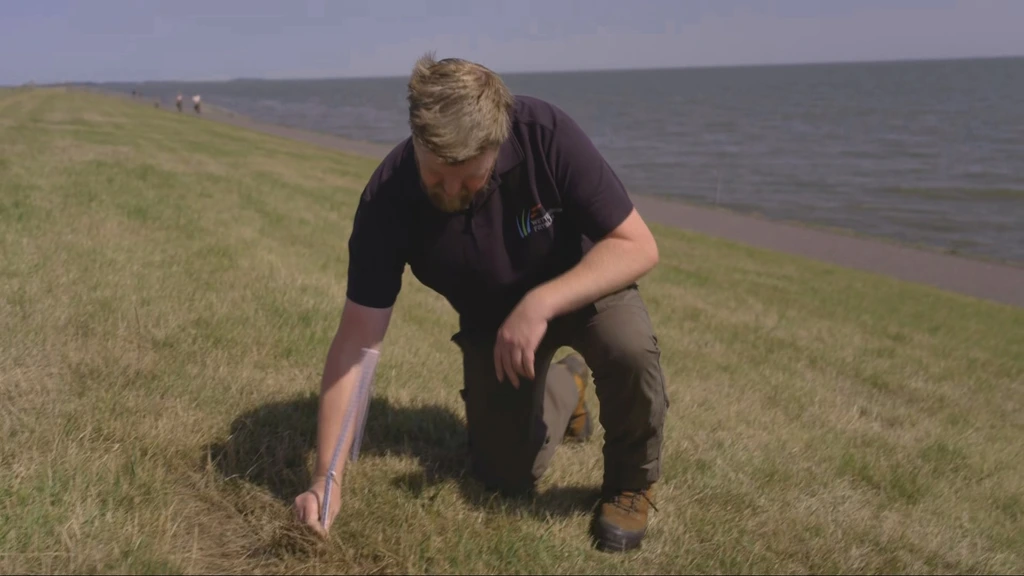
The island of Terschelling in the Netherlands is experiencing significant concerns regarding the stability of its sea dykes due to prolonged drought. Wetterskip Fryslân, the regional water authority, will conduct extra inspections of the dykes for cracks and has temporarily prohibited sheep from grazing on them. Residents, tourists, and farmers are urged to conserve water, as the grass cover on the dykes needs to remain stable to withstand high waves during the upcoming storm season. Dyke reeve Luzette Kroon warned that failure to manage this by early October would present a serious problem.
The current drought conditions on Terschelling are unprecedented for this time of year, exceeding even the extreme dry spells of 1976 and 2018. The national average rainfall deficit stands at 269 millimeters, equivalent to nearly 270 liters per square meter. On Terschelling, the rainfall deficit is slightly larger than the national average, with local deficits being particularly severe. The island's groundwater reserves are limited and vulnerable, with no possibility of manual replenishment from rivers or lakes as it is surrounded by the sea. Drought can exacerbate cracks in dykes, especially as dying grass exposes the clay layer to evaporation; conversely, rain can help repair these fissures by restoring the grass cover.
Dyke reeve Kroon noted that the role of water authorities is evolving in response to increasing weather extremes, shifting from primarily managing water drainage to becoming champions of water conservation. Despite these challenges, Vitens, a water company, assures there is no risk of a drinking water shortage on the island. Approximately one-third of Terschelling's drinking water comes from a subterranean freshwater lens, which is currently full, while the remainder is supplied via an underwater pipeline from the mainland.
The extreme drought on Terschelling highlights the increasing vulnerability of coastal infrastructure to climate change impacts, specifically prolonged dry periods. The dependence on natural grass cover for dyke integrity, a system reliant on rainfall, presents a systemic contradiction in regions facing more frequent and intense droughts. This situation necessitates a strategic re-evaluation of water management policies, emphasizing long-term water retention and the development of resilient, drought-resistant vegetation or alternative dyke reinforcement methods. The evolving role of water authorities, as noted by the dyke reeve, reflects a broader societal shift required to adapt to a changing climate, moving from reactive flood control to proactive water resource management and infrastructure resilience planning over the next decade.
AI-generated to prompt reflection — not editorial opinion, not advice, not a statement of fact. How this works.
