Tesla driver intentionally accelerated into Texas home, killing occupant, NTSB reports
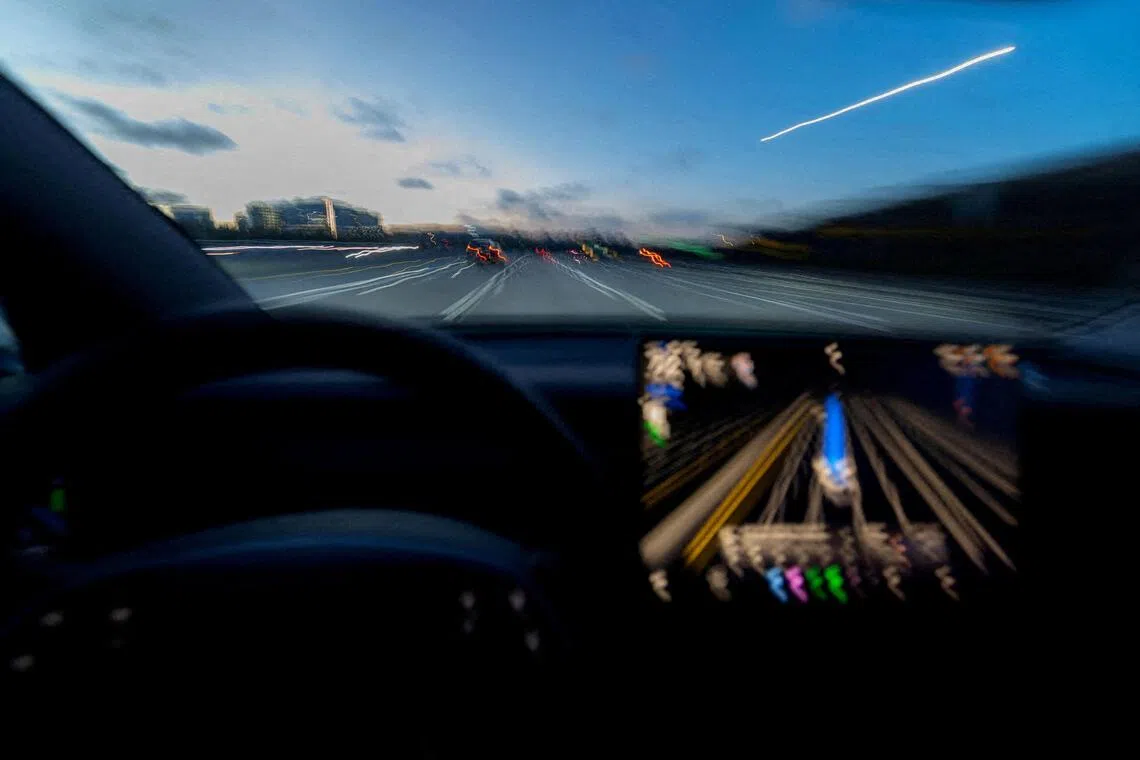
The National Transportation Safety Board (NTSB) has determined that the driver of a Tesla intentionally accelerated into a house in Texas, resulting in a fatal crash. According to the NTSB's findings, the driver overrode the vehicle's advanced driver assistance system. This override was achieved by fully depressing the accelerator pedal. The investigation concluded that the driver's actions led directly to the vehicle accelerating into the residence. The incident resulted in the death of at least one occupant of the house. The NTSB's report highlights the critical role of driver input in controlling vehicle operation, even when advanced systems are engaged. Further details regarding the specific date and location of the crash were not provided in the initial report summary. The agency's investigation focused on the sequence of events and the driver's interaction with the vehicle's technology.
This incident underscores the complex interplay between advanced driver assistance systems and human control. While such technologies aim to enhance safety, driver vigilance and understanding of system limitations remain paramount. The NTSB's finding of intentional override suggests a deliberate human decision overriding automated features. Future vehicle design and regulatory frameworks may need to consider more robust mechanisms to prevent misuse or unintended consequences arising from driver interaction with sophisticated automotive technology. The long-term implications involve balancing driver autonomy with the safety benefits of automation, especially as vehicles become more integrated with complex software.
AI-generated to prompt reflection — not editorial opinion, not advice, not a statement of fact. How this works.