Tesla Reports Record Vehicle Deliveries in Q2, Exceeding Wall Street Forecasts
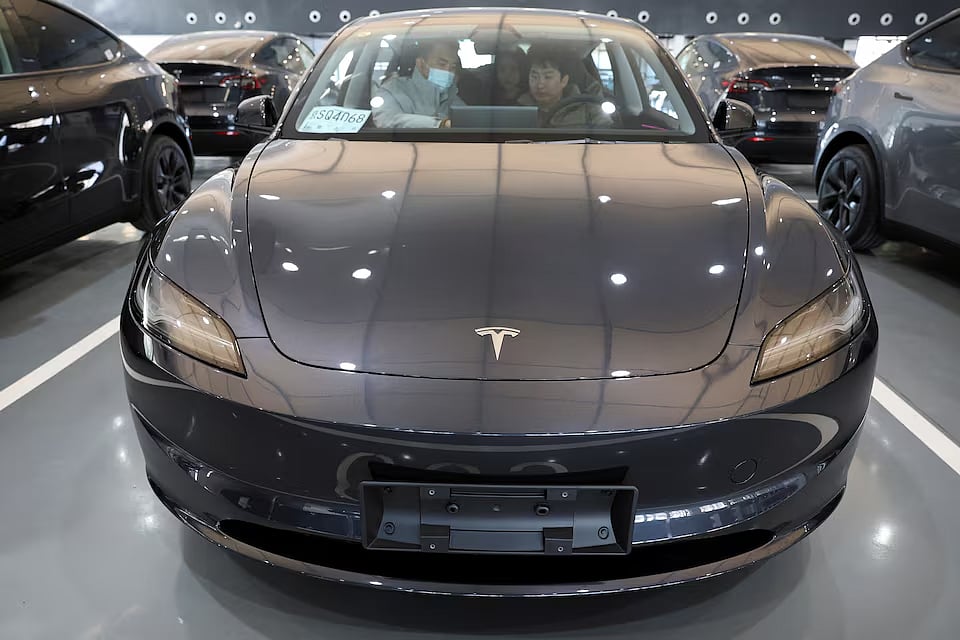
Tesla announced record vehicle deliveries for the second quarter of 2023, from April to June, surpassing Wall Street's expectations. This success was largely driven by a rebound in sales in Europe. The electric vehicle manufacturer delivered a total of 480,126 vehicles during this period, marking the highest number of deliveries in any second quarter in Tesla's history and a nearly 25% increase compared to the same period last year. Analysts had forecast an average of 402,776 vehicles, but Tesla produced 451,758 and delivered more than 28,000 above its production figures, helping to reduce inventory from the first quarter. Sales of Tesla's electric vehicles manufactured in China have grown this year, partly due to the start of Model Y production, despite intense competition from BYD and other Chinese manufacturers. This sales achievement comes as CEO Elon Musk focuses on significant investments in autonomous technology and artificial intelligence (AI). Tesla is now valued at $1.6 trillion, with both electric vehicles and AI as key growth drivers. Despite the positive delivery news, Tesla's share price fell by nearly 7% on Thursday, after an earlier 12% increase at the start of the week, with some investors taking profits. Analysts attribute the European sales recovery to a decrease in negative consumer sentiment regarding Musk's political stances, rising fuel prices, government incentives for EVs, and rapid fleet electrification by corporations. Seth Goldstein, Senior Equity Analyst at Morningstar, highlighted Europe as Tesla's primary growth engine, while US sales are declining at a slower rate than the overall EV market, and China shows modest growth. Tesla's introduction of lower-priced versions of the Model 3 sedan and Model Y SUV last year, along with attractive discounts and financing options, has helped draw customers. Sam Fiorani, Vice President at AutoForecast Solutions, noted that Tesla's pricing and product appeal are strong enough that many consumers purchase their vehicles despite personal dislike for Elon Musk. However, demand in Tesla's largest market, the United States, remains under pressure due to the expiration of EV tax credits late last year, though Fiorani cautiously anticipates some growth this year. Analysts believe the cancellation of new EV purchase incentives in the US is impacting sales, but updated versions of older models are yielding better results in China. Tesla recently unveiled a six-seat version of the Model Y in the US, hoping to revitalize demand there, similar to how the long-wheelbase, three-row Model Y L has boosted deliveries in China. Beyond vehicle manufacturing, Tesla plans to invest over $25 billion in capital expenditures by 2026, nearly triple last year's $8.5 billion, for AI infrastructure, battery and Cybertruck production, and the Optimus robot.
Tesla's record Q2 deliveries demonstrate the enduring consumer demand for its electric vehicles, even amidst broader market challenges and competition. The strong European performance, attributed to a combination of market factors and potentially a softening of negative sentiment towards the company's leadership, highlights the geographic diversification of Tesla's growth strategy. While the company pivots towards significant investments in AI and autonomous technology, signaling a future beyond traditional automotive manufacturing, its core EV business remains robust. However, the persistent pressure on US demand, linked to the withdrawal of government incentives, underscores the sensitivity of EV adoption to policy and economic conditions. The company's ability to leverage product appeal and pricing strategies, even in the face of potential leadership controversies, suggests a powerful brand loyalty and product-market fit. Looking ahead, Tesla's substantial capital expenditure plans for AI infrastructure and new product lines indicate an ambitious vision for future growth, but also present significant execution risks and capital allocation challenges in the coming years.
AI-generated to prompt reflection — not editorial opinion, not advice, not a statement of fact. How this works.