Tesla's Driver Monitoring System Fails to Prevent Unconscious Woman from Driving
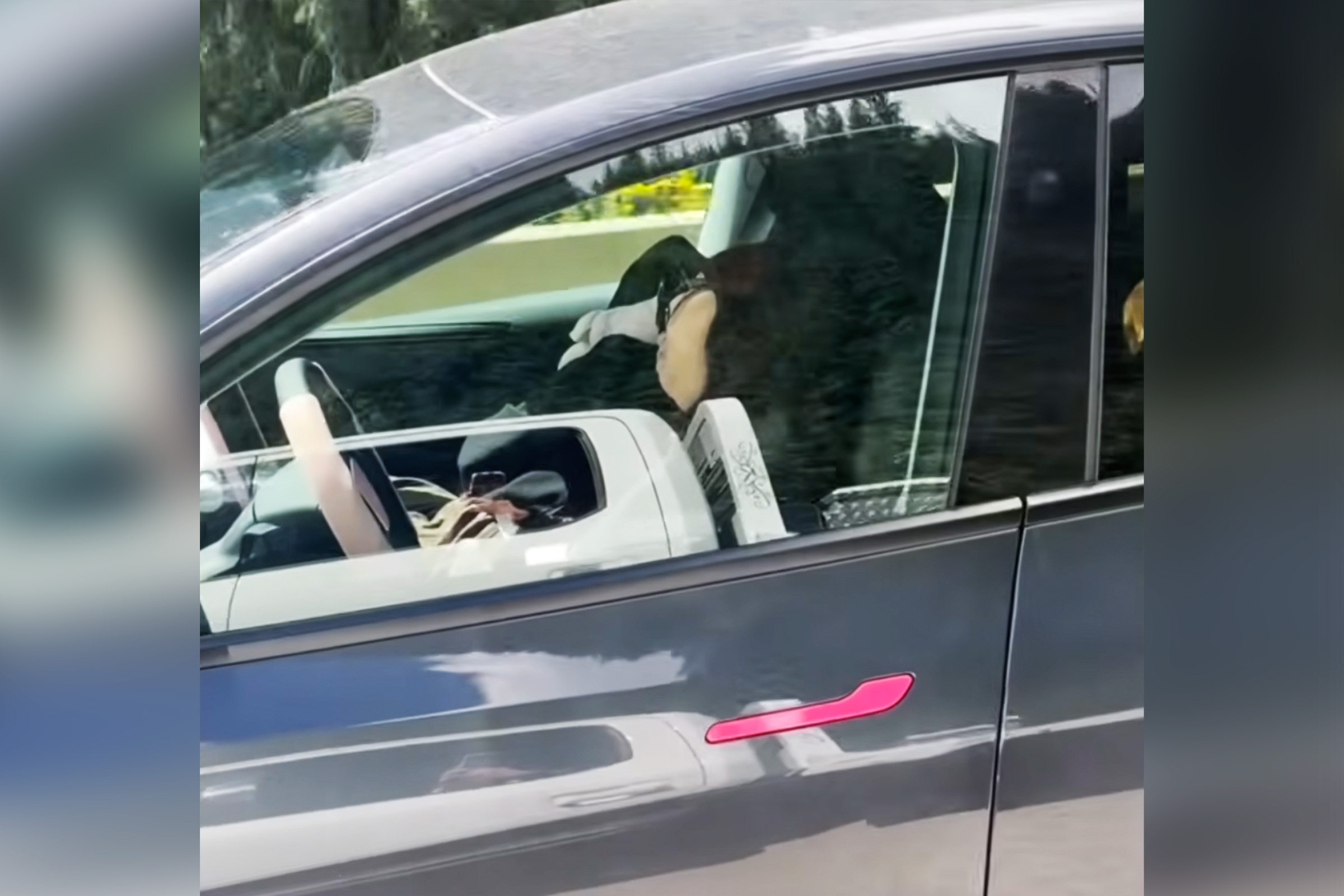
A Tesla vehicle was observed cruising at highway speeds with its driver completely unconscious. The incident highlights a critical failure of the car's driver monitoring system, which is designed to detect driver attentiveness. While Tesla vehicles offer advanced driver-assistance features, they still require the driver to remain alert and ready to take control at all times. This event underscores the importance of driver engagement, even with sophisticated automotive technology. The footage serves as a stark reminder that "robot" driving systems are not yet capable of fully autonomous operation. Users must remain vigilant and responsible behind the wheel, as relying solely on automation can lead to dangerous situations. The incident raises questions about the effectiveness and limitations of current driver monitoring technologies in ensuring road safety.
This incident demonstrates a critical gap in current driver-assistance systems, where technological safeguards failed to prevent a hazardous situation. While Tesla's systems aim to enhance safety, their reliance on driver monitoring underscores the inherent limitations of current automation. The system's inability to detect a completely incapacitated driver raises questions about the robustness of its attentiveness algorithms and the potential for misuse or over-reliance by consumers. Future iterations of such technology will need to incorporate more sophisticated and fail-safe mechanisms to ensure driver accountability and prevent situations where the vehicle operates without adequate human supervision, especially at highway speeds. This event prompts consideration of the ethical and safety trade-offs as vehicle automation advances.
AI-generated to prompt reflection — not editorial opinion, not advice, not a statement of fact. How this works.