Tesla's Profits Decline Amidst Increased Investment in AI and Robotics
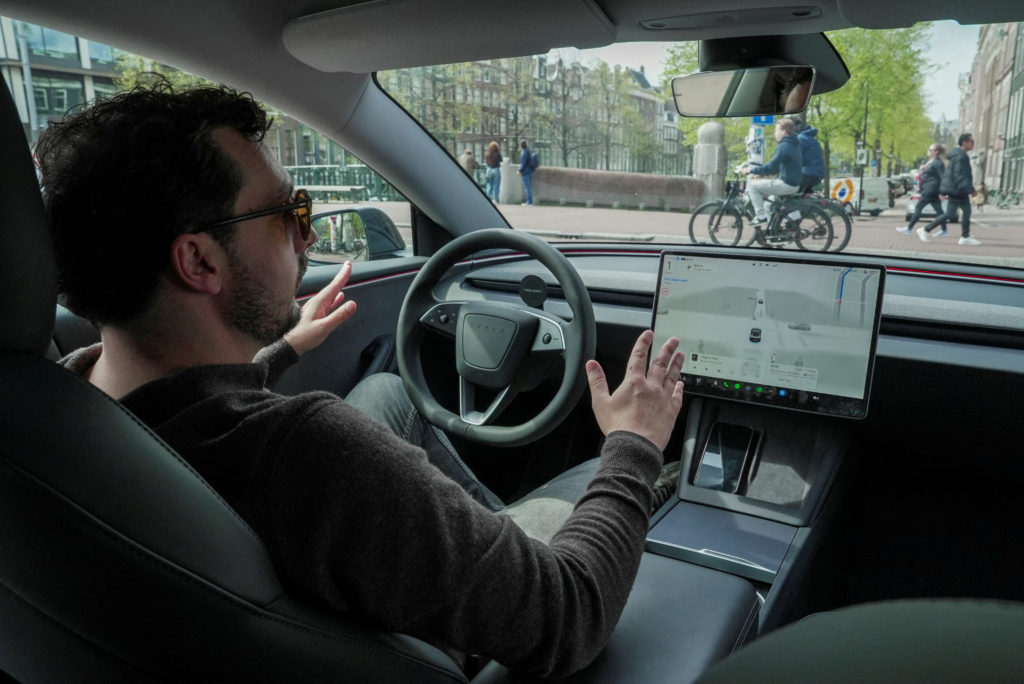
Tesla's earnings have seen a decrease, primarily due to significant spending on research and development that is impacting profits derived from its automotive sales. Despite a strong performance in its core car business during the recent quarter, the company is strategically shifting its focus and resources. Tesla is heavily investing in the development of infrastructure and artificial intelligence software essential for its future ventures in robotaxis and robotics. CEO Elon Musk has identified these emerging sectors as the long-term trajectory for the company's growth and success. This strategic pivot necessitates substantial financial outlay, leading to the observed reduction in overall profitability. The company's commitment to advancing AI and robotics indicates a long-term vision, even at the expense of short-term financial gains from its established electric vehicle operations.
Tesla's current financial performance reflects a strategic trade-off between established automotive revenue streams and substantial investment in future growth areas like AI and robotics. This approach aligns with a common industry dynamic where companies pursue disruptive innovation, often requiring significant capital expenditure that can depress short-term profitability. The company's long-term valuation will likely depend on its ability to successfully commercialize its AI-driven ventures, such as robotaxis, and integrate robotics into its operations. Investors will be monitoring the pace of development, regulatory hurdles, and the eventual market adoption of these technologies against the backdrop of continued competition in the electric vehicle sector. The company's success hinges on its capacity to manage these ambitious, capital-intensive projects while maintaining the competitiveness of its core automotive business.
AI-generated to prompt reflection — not editorial opinion, not advice, not a statement of fact. How this works.