Tesla Sales Rise, Profits Fall as Focus Shifts to Robots and Robotaxis
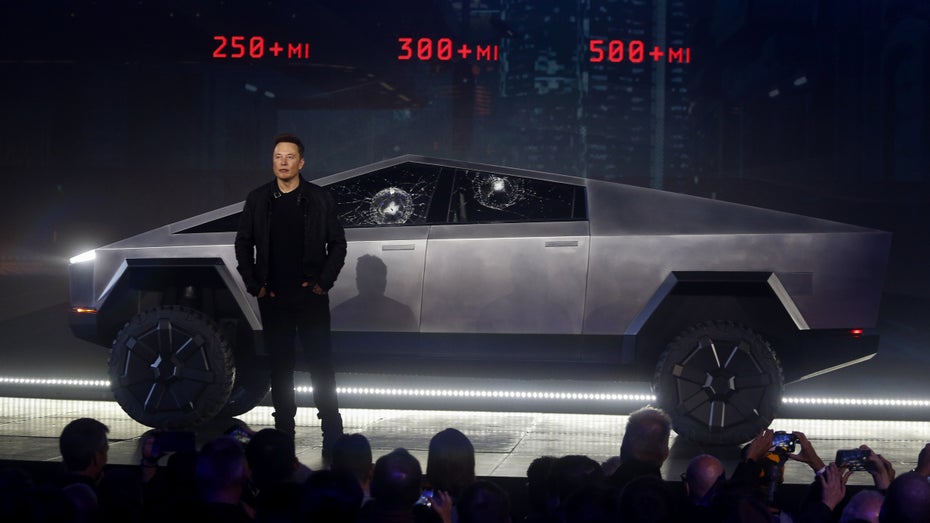
Tesla has seen an increase in electric vehicle sales, but its profits have declined. This downturn is attributed to the company's strategic shift towards developing robots and robotaxis, which requires significant investment and impacts current profitability. The company's CEO, Elon Musk, has also fueled speculation regarding a potential merger with his aerospace company, SpaceX. This diversification of focus, alongside ongoing investments in new technologies, is reshaping Tesla's financial performance and market perception. While sales volumes are up, the pressure on profit margins highlights the costs associated with Tesla's ambitious long-term goals. Investors are closely watching how these strategic decisions will affect the company's future growth and valuation. The emphasis on autonomous driving technology and AI-powered robotics represents a significant pivot for the automotive giant. This transition period may be characterized by fluctuating financial results as Tesla navigates its ambitious expansion into new technological frontiers. The market is keen to understand the timeline and financial implications of these new ventures.
Tesla's current financial results reflect a strategic pivot from solely focusing on electric vehicle sales to investing heavily in future-oriented technologies like robotics and autonomous systems. This reallocation of capital, while potentially promising for long-term market leadership in AI-driven mobility, naturally exerts downward pressure on immediate profitability. The market dynamics suggest a trade-off between near-term financial returns and the pursuit of disruptive innovation. Investors face the challenge of valuing a company increasingly defined by its technological ambitions beyond its established automotive segment. The ongoing speculation around SpaceX integration, while potentially creating synergies, also introduces complexity and valuation uncertainty. This situation underscores the inherent tension in scaling established industries while simultaneously pioneering entirely new technological paradigms, demanding a sophisticated approach to capital allocation and investor communication.
AI-generated to prompt reflection — not editorial opinion, not advice, not a statement of fact. How this works.