Tesla shares dip following increased investment in AI and robotaxis
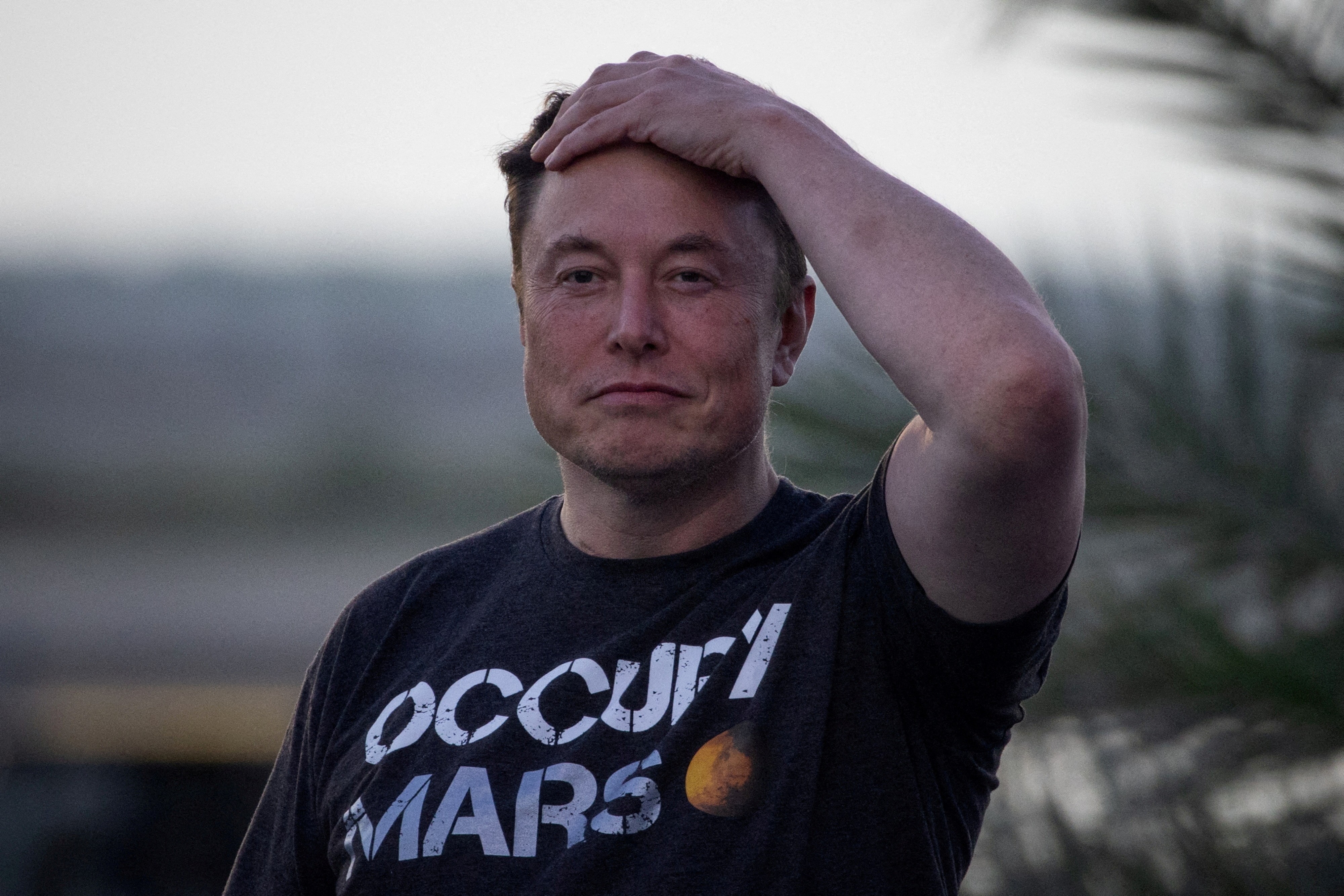
Tesla's stock experienced a decline of approximately 3% in after-hours trading on Wednesday, April 22nd, following the release of financial results that revealed increased investments in artificial intelligence (AI), robotaxis, batteries, and advanced manufacturing technologies. The electric vehicle manufacturer, led by Elon Musk, reported a negative free cash flow of $1.1 billion in the second quarter, marking the first such occurrence in over two years. This shift comes as the company escalates spending to develop new business avenues beyond vehicle sales. Despite the negative cash flow, Tesla's performance exceeded analyst expectations, who had projected a larger cash outflow. Revenue for the second quarter reached $28.24 billion, surpassing the average analyst forecast of $25.71 billion. However, adjusted earnings per share were lower than anticipated, coming in at 33 cents against a market expectation of 51 cents. Vehicle deliveries, on the other hand, exceeded Wall Street's predictions, with 480,126 vehicles delivered, a significant increase from the 384,122 delivered in the same period last year. Production for the quarter stood at 451,758 vehicles, resulting in deliveries outpacing manufacturing by over 28,000 units and helping to reduce the company's inventory. Analysts note that despite this sales recovery, Tesla faces ongoing challenges in sustaining growth due to intensifying competition in the electric vehicle market, particularly from rivals introducing more affordable models. Investors are increasingly focused on Musk's vision of transforming Tesla into a technology company, emphasizing AI, autonomous driving, and robotics. The company is expanding its driverless robotaxi service in the U.S. and seeking regulatory approval for broader international deployment, with the expectation that these ventures could yield higher future profit margins than traditional car sales. Additionally, Tesla's energy storage division is a key growth driver, with 13.5 gigawatt-hours (GWh) of energy storage systems installed in the second quarter, up from 9.6 GWh a year prior, serving critical infrastructure like power grids and data centers. Despite a significant stock price drop in 2026, Tesla remains the world's most valuable automaker, valued at approximately $1.4 trillion, largely due to the anticipated future contributions from AI, robotaxis, and humanoid robots.
Tesla's strategic pivot towards significant investment in AI, robotaxis, and energy storage, while potentially promising long-term growth and higher margins, presents a near-term challenge to its free cash flow. This financial dynamic highlights a common tension between disruptive innovation and immediate profitability, particularly for companies aiming to redefine multiple industries. The market's reaction underscores investor sensitivity to cash burn, even when directed towards future revenue streams. As the automotive and technology sectors converge, Tesla's valuation increasingly relies on its ability to successfully integrate and monetize these advanced technologies, navigating competitive pressures and regulatory landscapes. The company's future success will likely depend on demonstrating a clear path to profitability for its AI and robotics ventures, balancing ambitious expansion with financial discipline.
AI-generated to prompt reflection — not editorial opinion, not advice, not a statement of fact. How this works.