Testing Suspected Meteorite Rocks: A Guide for the Public
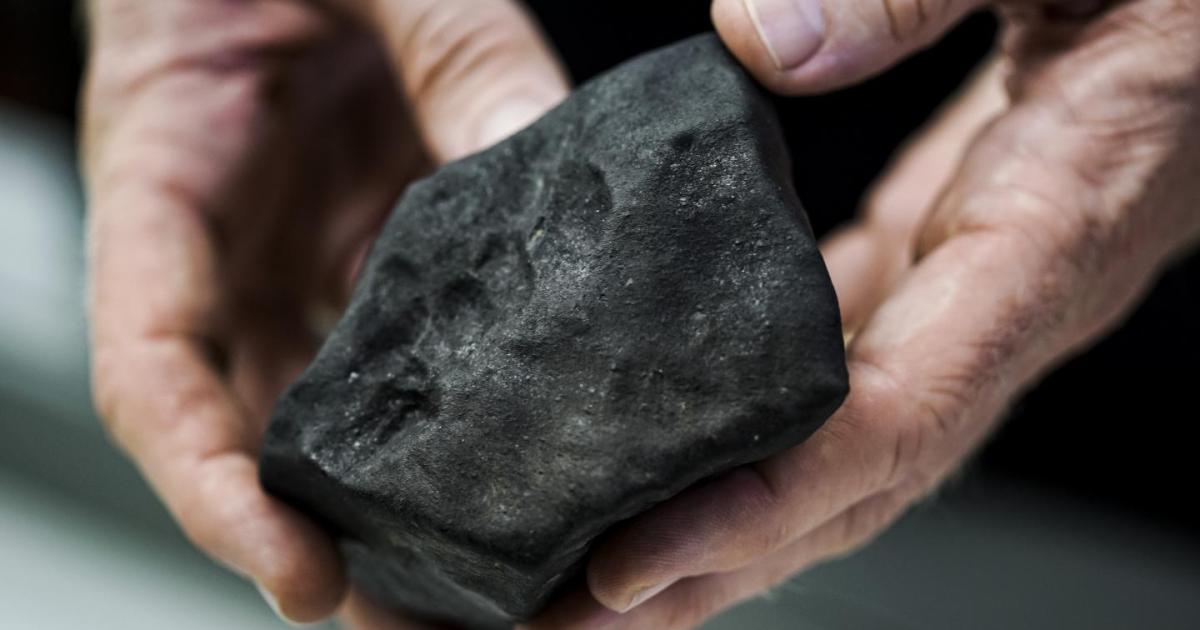
Many individuals who collect rocks often suspect they might have found a meteorite, particularly if the specimens appear unusual or if they believe they witnessed a meteor fall and recovered a potential space rock. However, determining if a rock is truly a meteorite requires specialized testing. This process is not typically something an individual can perform at home due to the need for advanced scientific equipment and expertise.
The question of how and where such rocks are tested, and whether the general public can access these services, is a common one among rock enthusiasts. While the article doesn't detail specific labs or procedures, it acknowledges the public's interest in verifying potential meteorite finds. The process usually involves geological and mineralogical analysis to identify characteristics unique to extraterrestrial objects, differentiating them from terrestrial rocks that might share some visual similarities.
The public's fascination with meteorites highlights a broader interest in space exploration and scientific discovery. While the desire to identify personal finds is understandable, the specialized nature of meteorite verification underscores the importance of scientific institutions and expert analysis. This scenario presents an opportunity for greater public engagement with science, perhaps through citizen science initiatives or educational outreach programs that explain the scientific criteria and testing methods involved. Ensuring accessible pathways for public verification, even if it involves professional consultation, can foster scientific literacy and manage expectations regarding potential extraterrestrial discoveries.
AI-generated to prompt reflection — not editorial opinion, not advice, not a statement of fact. How this works.