Testing Voice Control: Can All Your Devices Be Managed by Voice Alone?
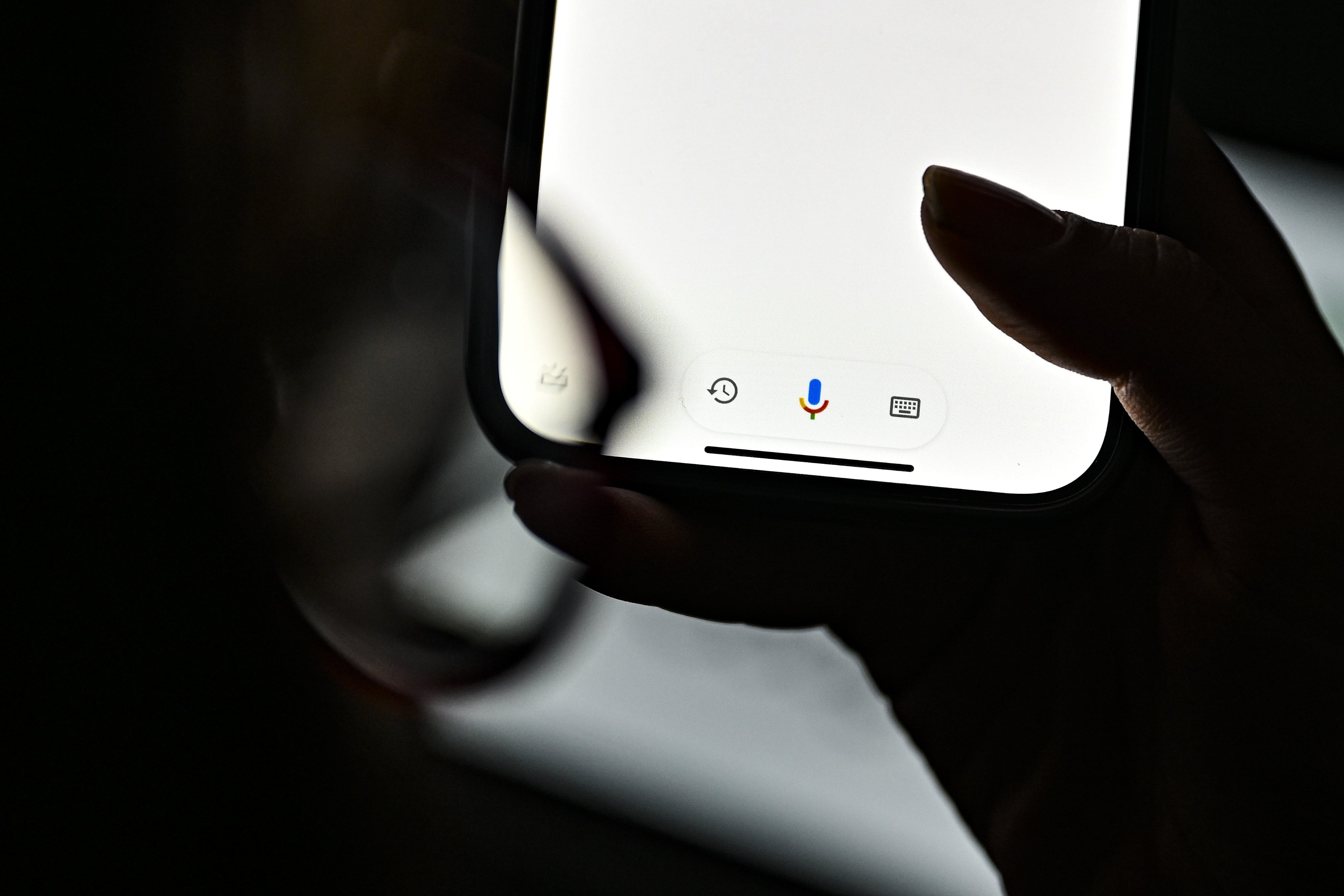
This article explores the capabilities and limitations of voice-controlled smart home devices, specifically focusing on assistants from Google and Amazon. The author spent a day attempting to manage various household appliances and electronics solely through voice commands. The experiment involved controlling devices such as lights, power outlets, air conditioning units, and televisions. The goal was to determine the extent to which a smart home ecosystem can be fully integrated and operated using only voice interactions. The piece details the practical experience of using these assistants for everyday tasks and assesses their effectiveness in providing seamless control over a range of connected devices. It highlights the convenience offered by voice commands but also implicitly questions their current limitations in achieving complete hands-free home management.
The proliferation of voice-activated assistants from major tech companies like Google and Amazon signifies a broader trend toward ambient computing and integrated smart home ecosystems. While these systems offer potential convenience, their current efficacy hinges on device compatibility and network stability. The user experience, as explored in this piece, reveals the practical challenges in achieving fully autonomous control, suggesting that current iterations may still require manual overrides or supplementary interfaces. Future development will likely focus on expanding device interoperability, improving natural language processing for more complex commands, and addressing privacy concerns inherent in always-listening devices. The long-term impact will depend on balancing user-friendliness with robust security and reliable functionality.
AI-generated to prompt reflection — not editorial opinion, not advice, not a statement of fact. How this works.
