Tetovo Public Health Center deemed Gostivar water safe just 20 days before outbreak
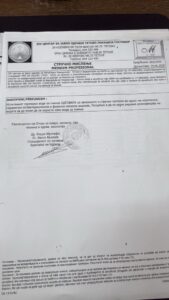
A report from the Public Health Center Tetovo, dated June 29th of this year, declared the water in Gostivar to be compliant with all legal and professional regulations regarding bacteriological and physicochemical analyses. However, a mere 20 days later, a significant health crisis emerged in the city. A total of 3,100 Gostivar residents, ranging in age from 1 to 80 years old, sought medical attention. The symptoms reported by these citizens included diarrhea, vomiting, and exhaustion, indicating a widespread health issue. This stark contrast between the official water quality assessment and the subsequent public health emergency raises serious questions about the timeline and the potential causes of the outbreak. The initial assessment suggested the water was safe, but the rapid onset of illness among a large segment of the population points to a potential contamination event or a failure in the water supply system that occurred shortly after the inspection.
The juxtaposition of a positive water quality report from the Tetovo Public Health Center just 20 days before a widespread gastrointestinal illness outbreak in Gostivar, affecting 3,100 individuals, suggests a potential disconnect between regulatory oversight and public health outcomes. This scenario highlights the critical importance of robust and frequent water quality monitoring, especially in the face of potential environmental or infrastructure vulnerabilities. The rapid deterioration of public health following a seemingly clean water report warrants an examination of the inspection's scope, the potential for sudden contamination events, or the efficacy of the water treatment and distribution systems. Future public health strategies should consider incorporating more sensitive indicators and rapid response mechanisms to address such swift public health challenges, ensuring that regulatory assessments accurately reflect real-time risks to the population.
AI-generated to prompt reflection — not editorial opinion, not advice, not a statement of fact. How this works.