Texas Birthright Citizenship: What Abbott's Order Means Amidst "Birth Tourism" Crackdown
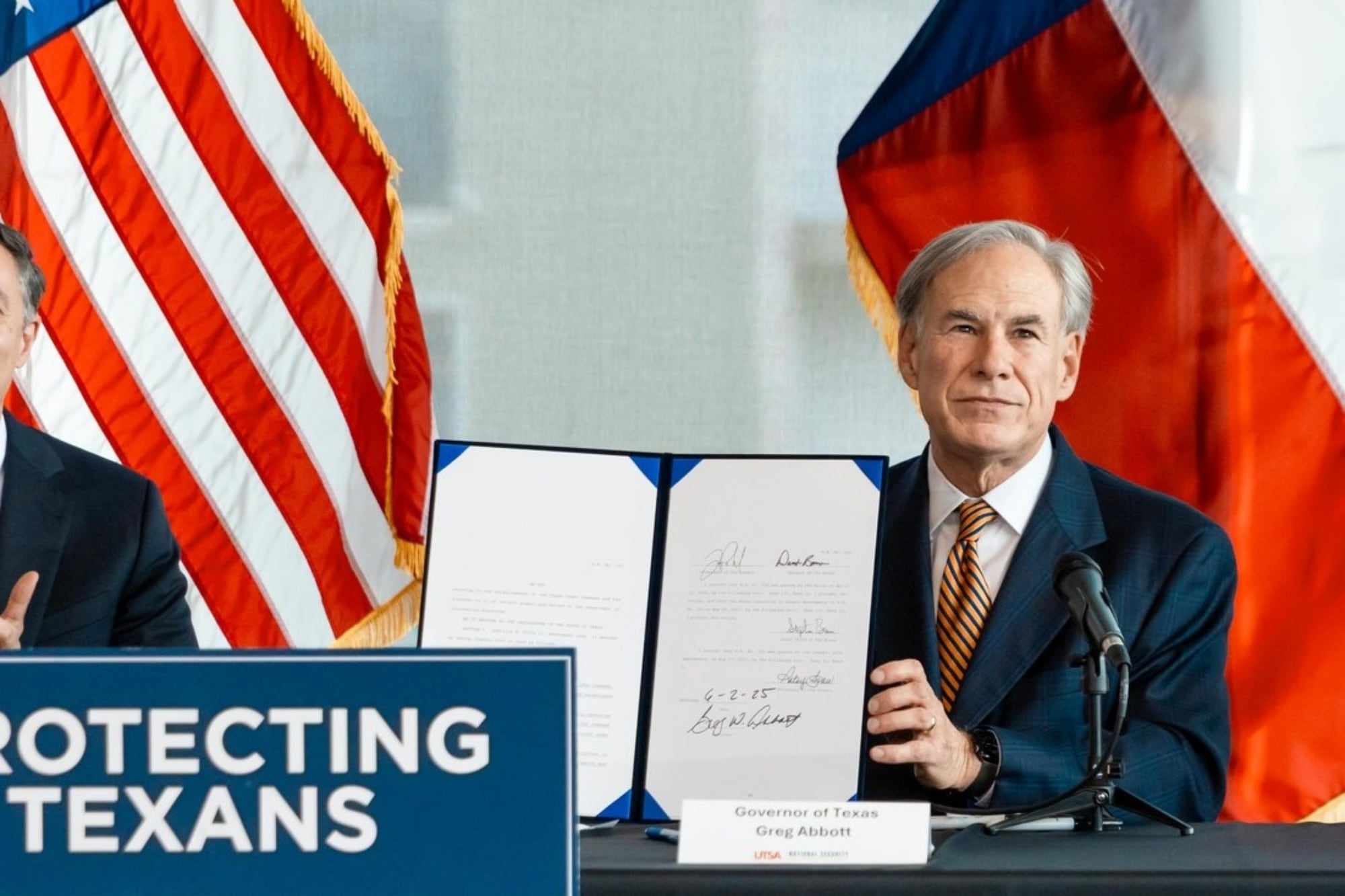
Texas Governor Greg Abbott has issued a new order targeting "birth tourism," but this directive does not alter the existing policy of birthright citizenship in the state. The order aims to address concerns related to individuals traveling to Texas with the primary purpose of giving birth, potentially to secure citizenship for their children. Despite the governor's action, the legal framework for birthright citizenship, which grants citizenship to nearly all individuals born within U.S. territory, remains in effect. This means that children born in Texas to parents who are not U.S. citizens or legal residents will still be recognized as U.S. citizens. The governor's move signals a political stance on immigration and border security, but it does not override federal law concerning citizenship. The distinction between the governor's order and the constitutional right to birthright citizenship is crucial for understanding the current legal landscape in Texas.
Governor Abbott's directive on "birth tourism" highlights a recurring tension between state-level immigration enforcement efforts and federal constitutional provisions, specifically the 14th Amendment's guarantee of birthright citizenship. While the order may aim to deter certain immigration-related behaviors, its practical impact on established citizenship rights appears limited. This situation reflects broader debates about immigration policy, border control, and the interpretation of constitutional rights in the United States. Future legal challenges or legislative actions could further clarify the boundaries of state authority in this domain, potentially influencing how such policies are implemented and perceived across different jurisdictions.
AI-generated to prompt reflection — not editorial opinion, not advice, not a statement of fact. How this works.