Texas Court Blocks State Tuition for Undocumented Students
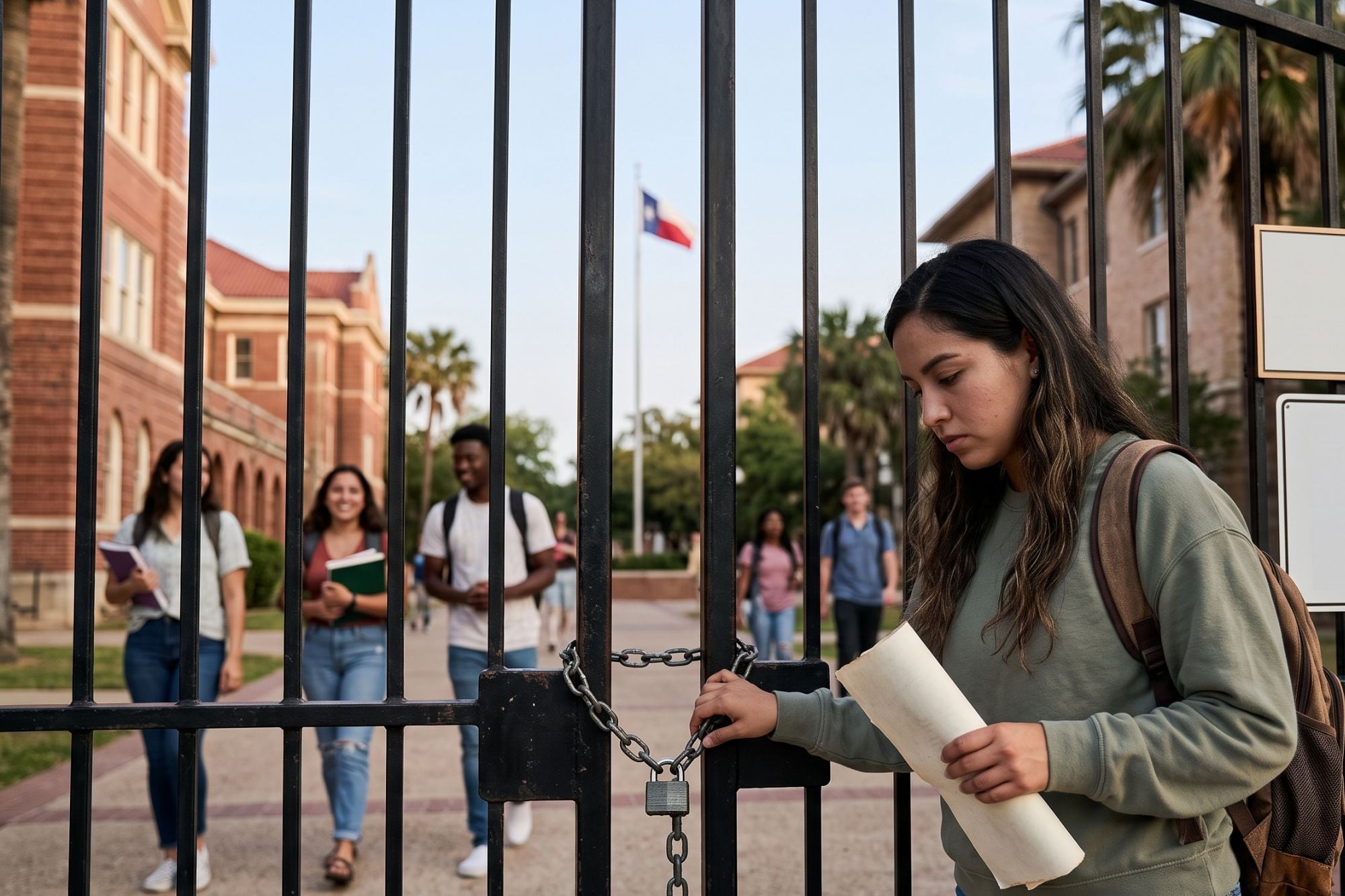
A federal appeals court has rejected a Texas law that would have granted in-state tuition rates to students without legal status. Governor Greg Abbott praised the ruling, calling it a significant victory. This decision impacts thousands of young migrants in the state who were hoping to benefit from the legislation. The court's conclusion means these students will likely continue to face higher out-of-state tuition fees for higher education. The law aimed to provide more affordable access to college for undocumented individuals who have lived and been educated in Texas. Its rejection raises questions about the future of educational accessibility for this demographic in the state. The ruling is expected to have far-reaching consequences for students and their families.
The federal appeals court's decision on in-state tuition for undocumented students in Texas introduces a complex dynamic regarding educational equity and state-level immigration policy. While the ruling may align with certain interpretations of federal immigration law and state fiscal concerns, it creates a significant barrier for a specific group of residents seeking higher education. This outcome highlights a recurring tension between states' rights to set tuition policies and the broader implications for social mobility and workforce development. Future legal challenges or legislative efforts may seek to reconcile these competing interests, potentially through alternative pathways to affordable education or by clarifying the legal standing of such state-level initiatives within the federal framework. The long-term impact will likely depend on evolving legal precedents and political will concerning immigrant integration.
AI-generated to prompt reflection — not editorial opinion, not advice, not a statement of fact. How this works.