Texas Court Ruling Increases University Costs for Migrant Students
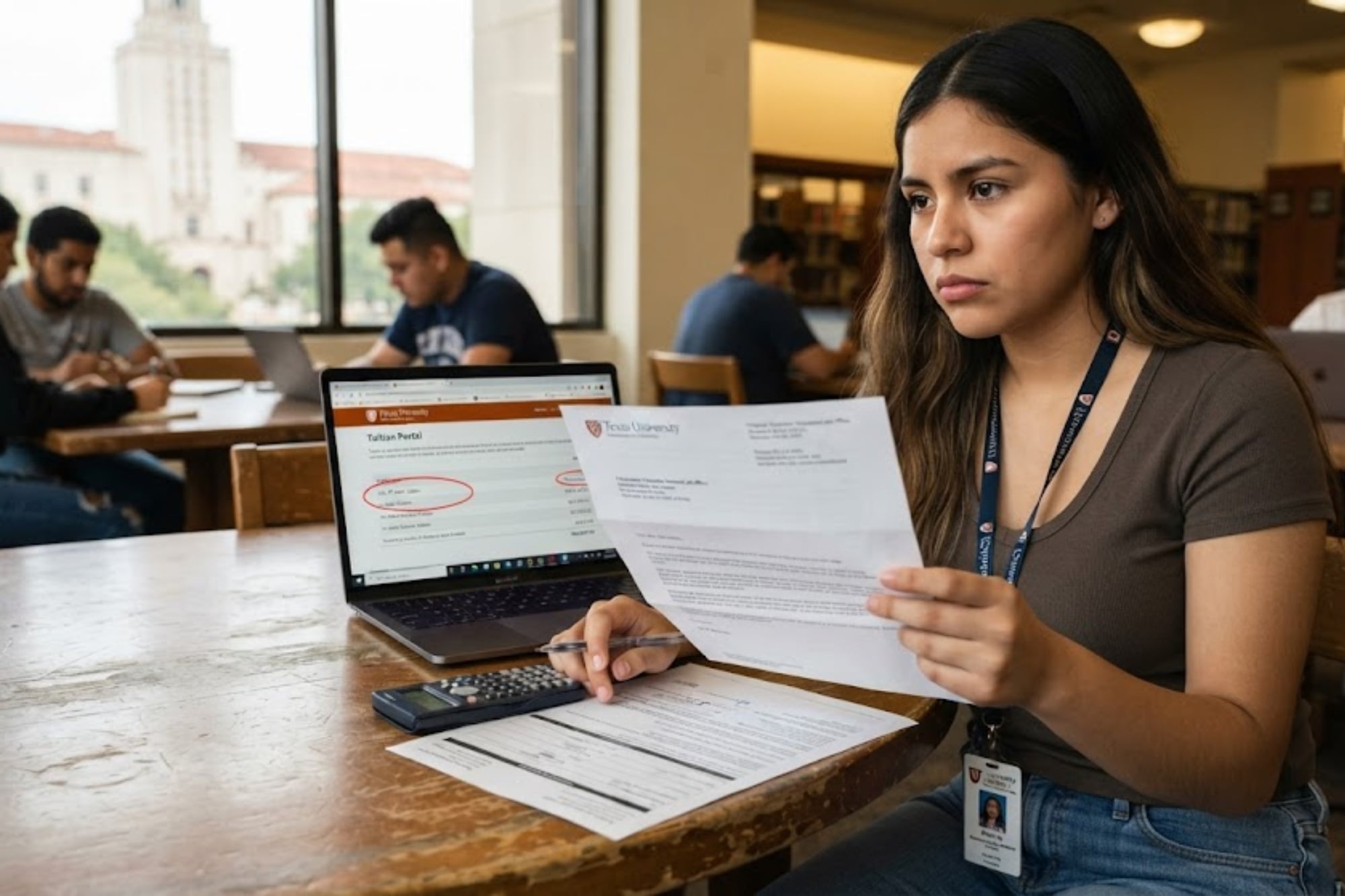
A recent judicial ruling in Texas has significantly impacted migrant students by invalidating their eligibility for in-state tuition rates. This decision effectively raises the cost of accessing higher education for a diverse group of migrants who previously benefited from lower tuition fees. The ruling means these students will now have to pay out-of-state tuition, which is substantially more expensive. This change poses a considerable financial barrier, potentially limiting educational opportunities for many individuals. The implications of this decision could affect enrollment numbers and the diversity of student populations within Texas universities. It also raises questions about the state's approach to integrating migrant populations into its educational system. The long-term consequences for both the students and the state's economy remain to be seen.
This judicial decision in Texas alters the financial landscape for migrant students pursuing higher education, shifting them from in-state to out-of-state tuition rates. Such policy changes can create significant economic disincentives for educational attainment, potentially impacting workforce development and social mobility within the state. Analyzing the underlying incentive structures suggests a tension between state-level educational access policies and broader immigration or economic integration goals. Over the next decade, as demographic shifts continue and the demand for skilled labor intensifies, states will face increasing pressure to balance fiscal considerations with the imperative of fostering an inclusive and educated populace. This ruling highlights a critical juncture where policy decisions today will shape future talent pools and the state's capacity to adapt to evolving societal and economic demands.
AI-generated to prompt reflection — not editorial opinion, not advice, not a statement of fact. How this works.