Texas Governor Abbott's Order on Birthright Citizenship: What Changes and What Remains Protected
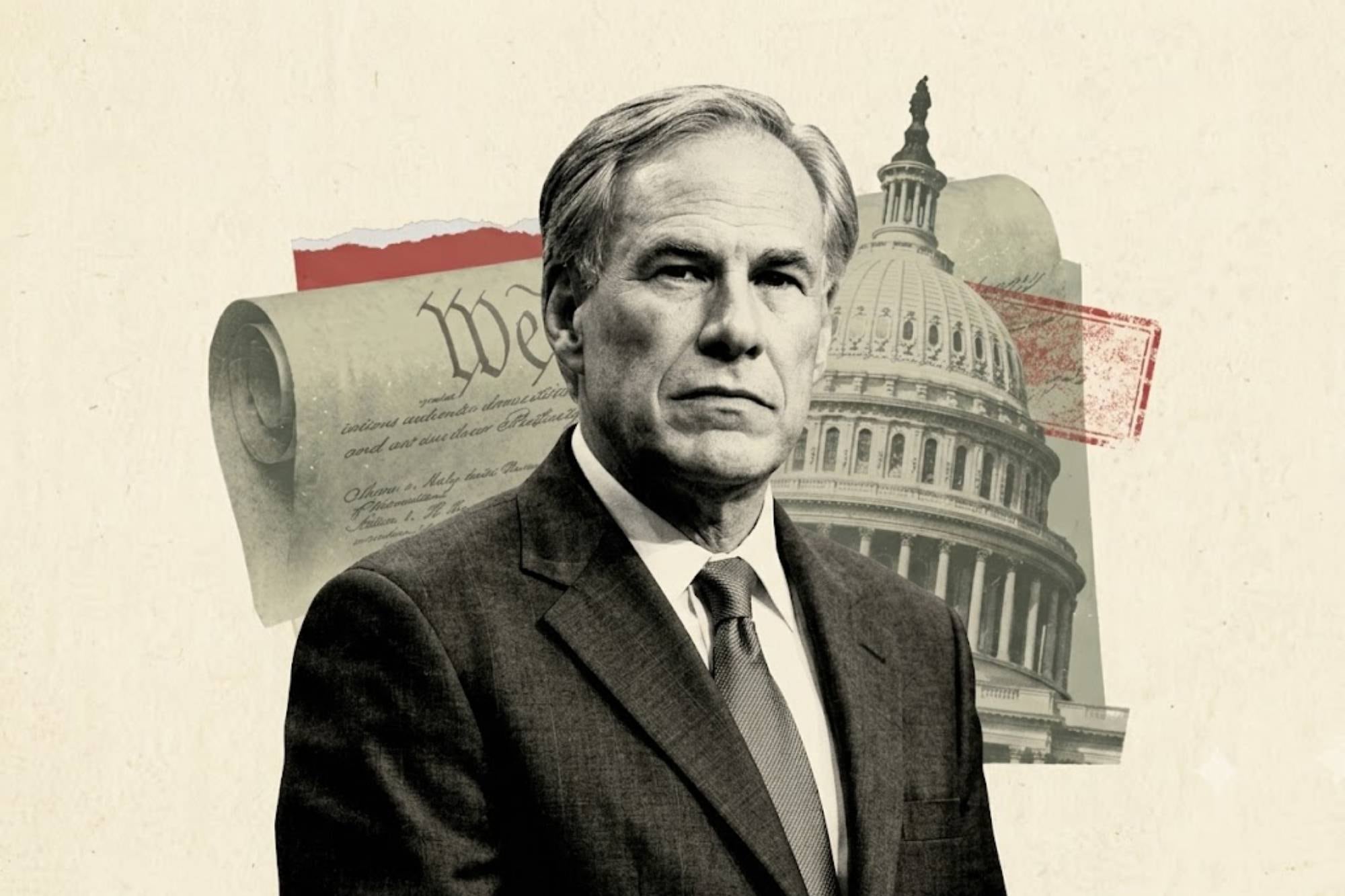
Texas Governor Greg Abbott has signed an order concerning birthright citizenship. However, the order does not alter the constitutional protection afforded to birthright citizenship in the United States. The U.S. Constitution, specifically the 14th Amendment, guarantees citizenship to individuals born within the country's territory. Therefore, despite Governor Abbott's directive, the principle of birthright citizenship remains legally intact. This means that children born in Texas to parents who are not U.S. citizens will continue to be recognized as U.S. citizens. The governor's action has raised questions about its implications, but legal experts emphasize that it cannot override federal constitutional law. The order's practical effect on existing policies or future enforcement is unclear, but its challenge to the established constitutional framework is notable. The situation highlights ongoing debates surrounding immigration policy and state versus federal authority in the United States.
Governor Abbott's executive order on birthright citizenship in Texas appears to navigate the complex intersection of state authority and federal constitutional guarantees. While the order itself may not alter the established legal framework of the 14th Amendment, its issuance signals a political stance on immigration and citizenship. Such actions can influence public discourse and potentially lead to legal challenges that test the boundaries of state power. From a systems perspective, this event underscores the inherent tension between differing interpretations of constitutional rights and the practicalities of immigration enforcement. Future policy debates may focus on clarifying the scope of federal supremacy in defining citizenship and the permissible actions of states in areas touching upon national sovereignty.
AI-generated to prompt reflection — not editorial opinion, not advice, not a statement of fact. How this works.