Texas Town of 3,200 Residents Clashes with DHS Over 30-Foot Border Wall on Levees
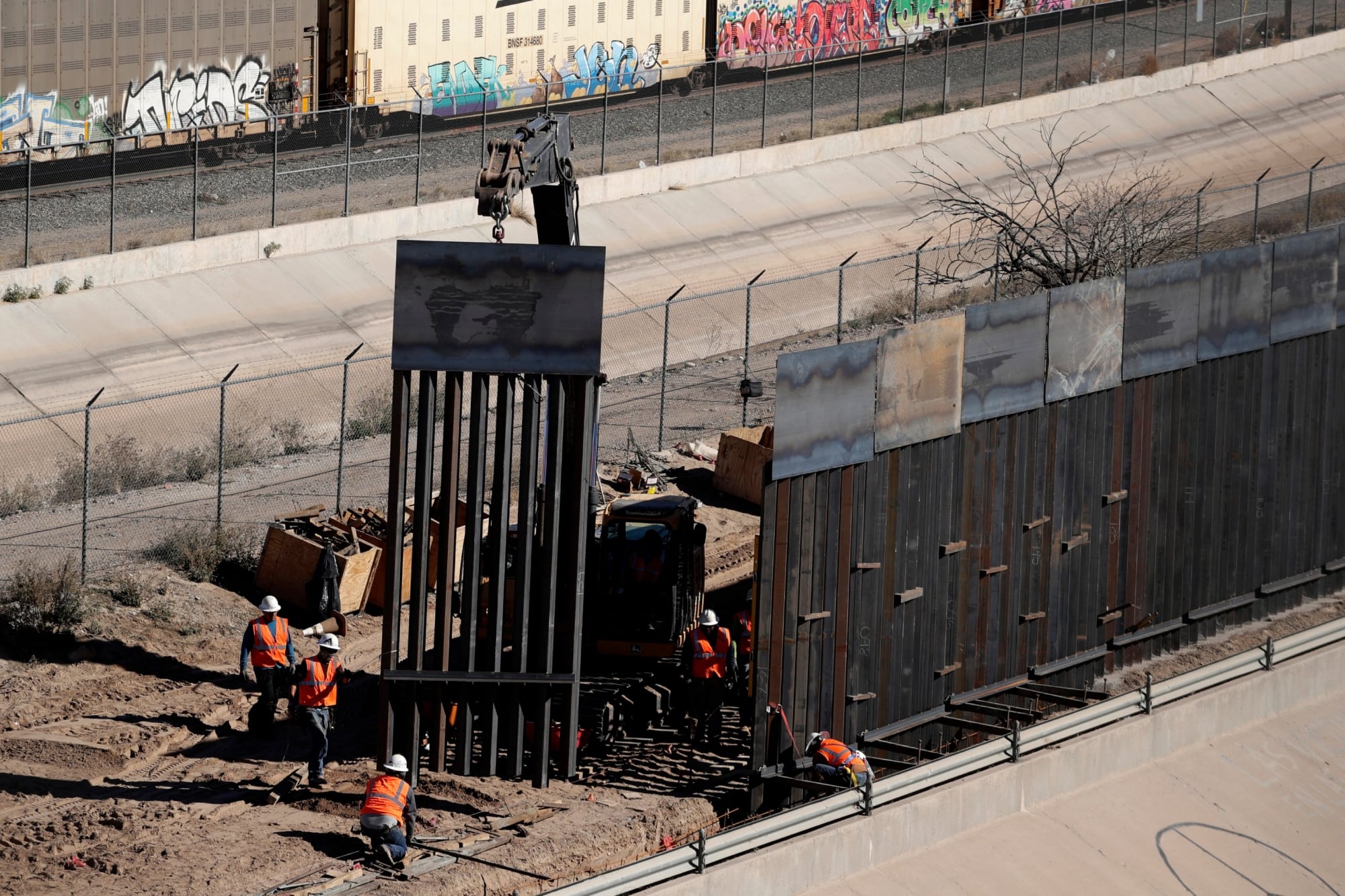
The small Texas town of 3,200 residents is in a dispute with the Department of Homeland Security (DHS) over the construction of a 30-foot wall along its levees. Residents are concerned that the wall, intended for border security, could exacerbate flooding issues. They fear that the structure built on top of the existing levees might obstruct water flow and potentially lead to catastrophic flooding if the levees are breached. The town's proximity to the border and the nature of the construction have raised significant alarm among the local population. The DHS has initiated the construction, but the community's concerns about the potential environmental and safety impacts are growing. The residents are actively voicing their opposition, highlighting the potential for disaster and urging the DHS to reconsider the project's design and location. The situation underscores a conflict between national security objectives and local community safety and environmental concerns.
The construction of a 30-foot wall on existing levees by the Department of Homeland Security presents a complex challenge, balancing national border security objectives against local flood control and public safety imperatives. The town's apprehension regarding potential flood exacerbation highlights a systemic tension where large-scale infrastructure projects, driven by federal mandates, may not adequately account for localized environmental vulnerabilities and community-specific risks. This situation prompts consideration of inter-agency collaboration and impact assessments that prioritize the long-term resilience of communities against natural hazards, especially in an era of increasing climate volatility. Future policy should explore more integrated planning frameworks that reconcile security needs with robust environmental stewardship and community well-being, ensuring that border security measures do not inadvertently create new vulnerabilities for the populations they are meant to protect.
AI-generated to prompt reflection — not editorial opinion, not advice, not a statement of fact. How this works.