Texel Sheep Gives Birth to Five Lambs in Southern Brazil, Defying Odds
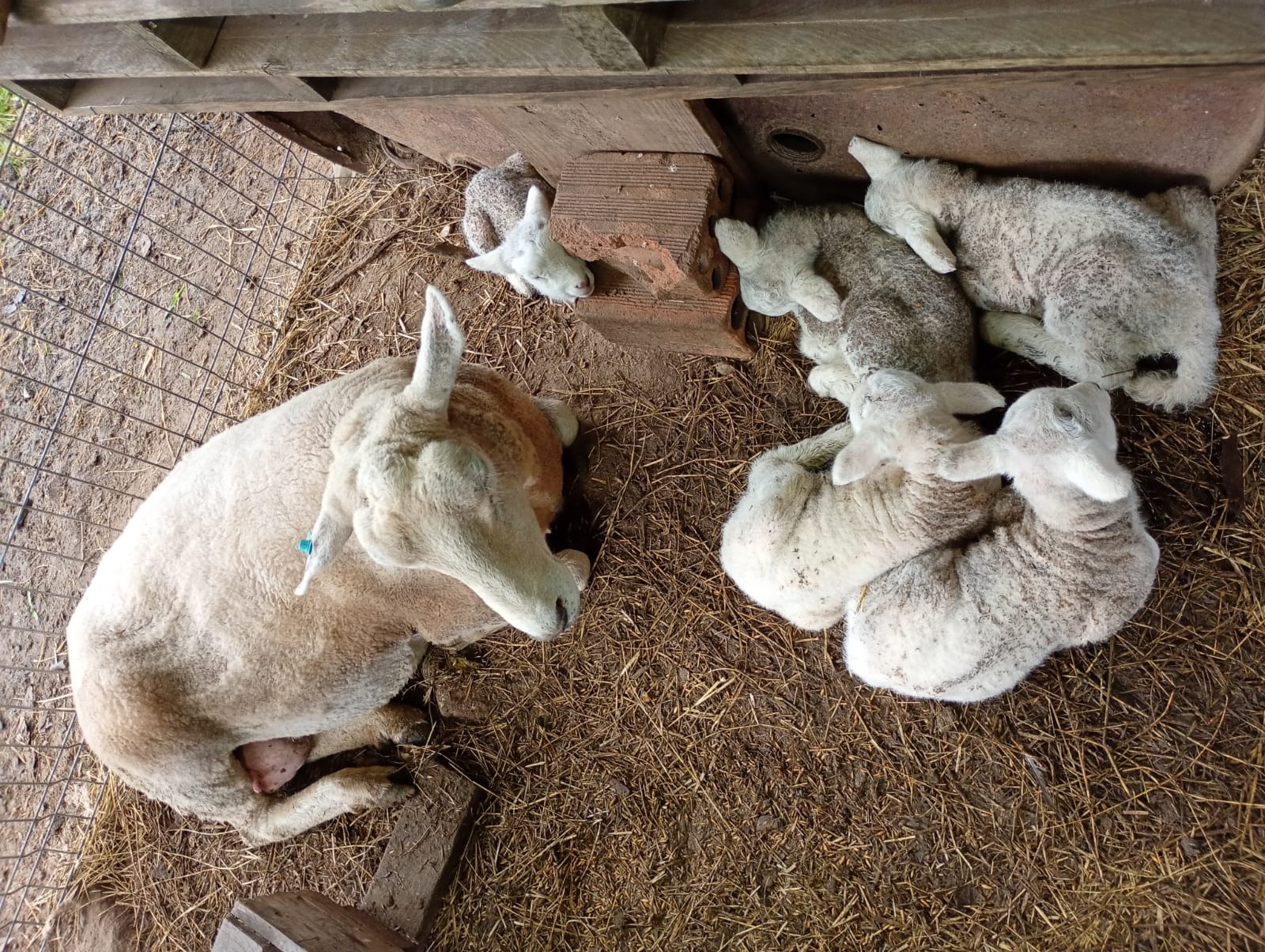
A Texel breed sheep in São Sepé, Rio Grande do Sul, Brazil, has given birth to five lambs, a rare occurrence that has surprised its owner, zootecnist Félix Kelling. This marks the sheep's third consecutive pregnancy resulting in multiple births. In her previous two pregnancies, she delivered four lambs each time. This latest litter consists of three males and two females. Kelling's sheep farm, established in 2021 with ten ewes and one ram, initially aimed for a small flock but has experienced an unexpected increase in multiple births, including quadruplets and now quintuplets. The mother sheep's lineage also shows a predisposition to multiple births, as her own mother had triplets. Rural extensionist and veterinarian Elusa Santos de Andrade from Emater explained that while twins and triplets are not uncommon, quadruplets and quintuplets are infrequent. She noted that factors like reduced daylight hours, which can increase ovulation, combined with good nutrition, favor multiple pregnancies. Andrade believes the consistent multiple births across generations suggest a strong genetic component, possibly linked to prolificacy genes like Booroola or Vacaria, which are known to increase ovulation rates. Kelling attributes the success to a comprehensive management approach, integrating nutrition, health, and genetics. His farm has also received awards for its flock quality in recent years. Raising five lambs presents significant challenges, particularly ensuring adequate milk production from the mother. Professor Sérgio Carvalho from UFSM highlighted the need for nutritional support for the mother and supplementary feeding for the lambs, such as creep feeding, to ensure their healthy development.
This event highlights the interplay of genetics, nutrition, and husbandry in livestock reproduction, leading to an exceptional outcome of quintuplets. While rare, such occurrences can be analyzed through the lens of selective breeding and its potential to amplify specific traits, such as prolificacy. The case also underscores the challenges in managing such high-multiple births, requiring advanced nutritional strategies to support both the dam and the offspring. From a systemic perspective, understanding the genetic markers and environmental factors that contribute to such prolificacy could inform future breeding programs, potentially increasing efficiency in sheep farming. However, it also raises questions about the sustainability of such intensive reproductive outcomes and the welfare considerations for both the mother and the larger litter size in the long term, particularly as the animals mature and face ongoing resource demands.
AI-generated to prompt reflection — not editorial opinion, not advice, not a statement of fact. How this works.