Textile Pattern Cutting: An Overlooked Engineering Skill?
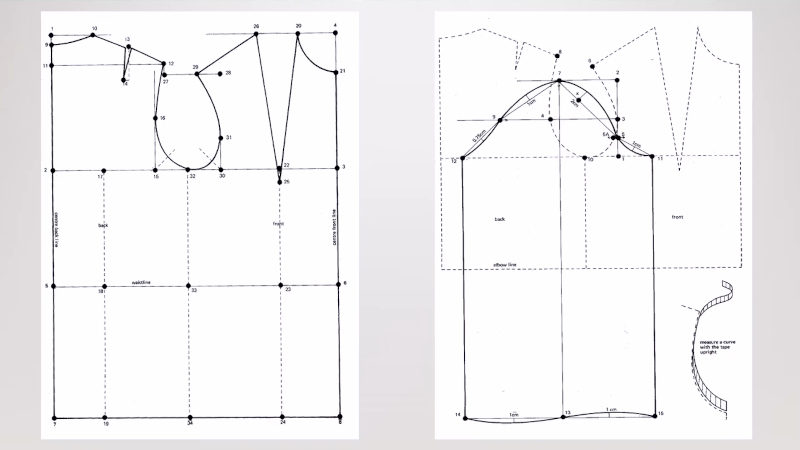
A recent talk at the Electromagnetic Field event in the UK highlighted pattern cutting as a significant, yet often overlooked, engineering skill. Amy Jeskins, the speaker, focused on the importance of this textile-related discipline. The discussion aimed to bring attention to the technical expertise involved in pattern cutting, suggesting it deserves a place within engineering education. The event provided a platform to explore how traditional craft skills intersect with modern engineering principles. Jeskins' presentation underscored the need for a broader definition of engineering skills. It also raised questions about the current curriculum's focus and potential omissions. The talk suggested that incorporating such skills could lead to more holistic and innovative engineering practices. The broader implications for design and manufacturing industries were also implied.
The discussion around pattern cutting as an engineering skill prompts a re-evaluation of traditional educational silos. Historically, engineering curricula have prioritized disciplines like mechanical, electrical, and civil engineering, often overlooking the intricate technical knowledge embedded in fields like textile design and manufacturing. This perspective suggests that a more integrated approach, recognizing the mathematical and spatial reasoning inherent in pattern cutting, could foster innovation. Future engineering education may benefit from incorporating cross-disciplinary skills, bridging the gap between theoretical knowledge and practical application in diverse industries. This could lead to more adaptable and versatile engineering professionals equipped to tackle complex design challenges across various sectors.
AI-generated to prompt reflection — not editorial opinion, not advice, not a statement of fact. How this works.