Thai welfare card applicants protest 'difficult' poverty verification process
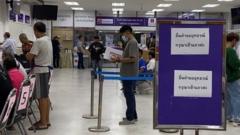
Many individuals who were denied eligibility for Thailand's state welfare card program in 2025 are expressing frustration with the current verification process. Applicants are required to physically prove their low-income status, a step many feel is unnecessary and cumbersome, especially when they believe their financial situations have not improved. Some individuals told the BBC Thai that the process should be entirely online, arguing that the government should already possess the necessary data to assess poverty without requiring citizens to travel and undergo in-person verification. This sentiment highlights a growing demand for more accessible and efficient government services, particularly for vulnerable populations.
The Thai government's implementation of a stringent, in-person poverty verification for its state welfare program, while intended to ensure accurate distribution of benefits, appears to be creating significant administrative hurdles for applicants. This approach contrasts with the increasing global trend towards digital-first government services, which leverage existing data to streamline processes and reduce citizen burden. The current system's reliance on physical verification may inadvertently exclude or discourage those most in need, particularly if they face mobility or time constraints. Future iterations of such programs could benefit from exploring more integrated data-sharing mechanisms and robust online platforms to enhance accessibility and efficiency, thereby better serving the intended beneficiaries and aligning with digital governance expectations.
AI-generated to prompt reflection — not editorial opinion, not advice, not a statement of fact. How this works.