Thailand's Auto Industry Fears EV Shift Will Disrupt Supply Chains
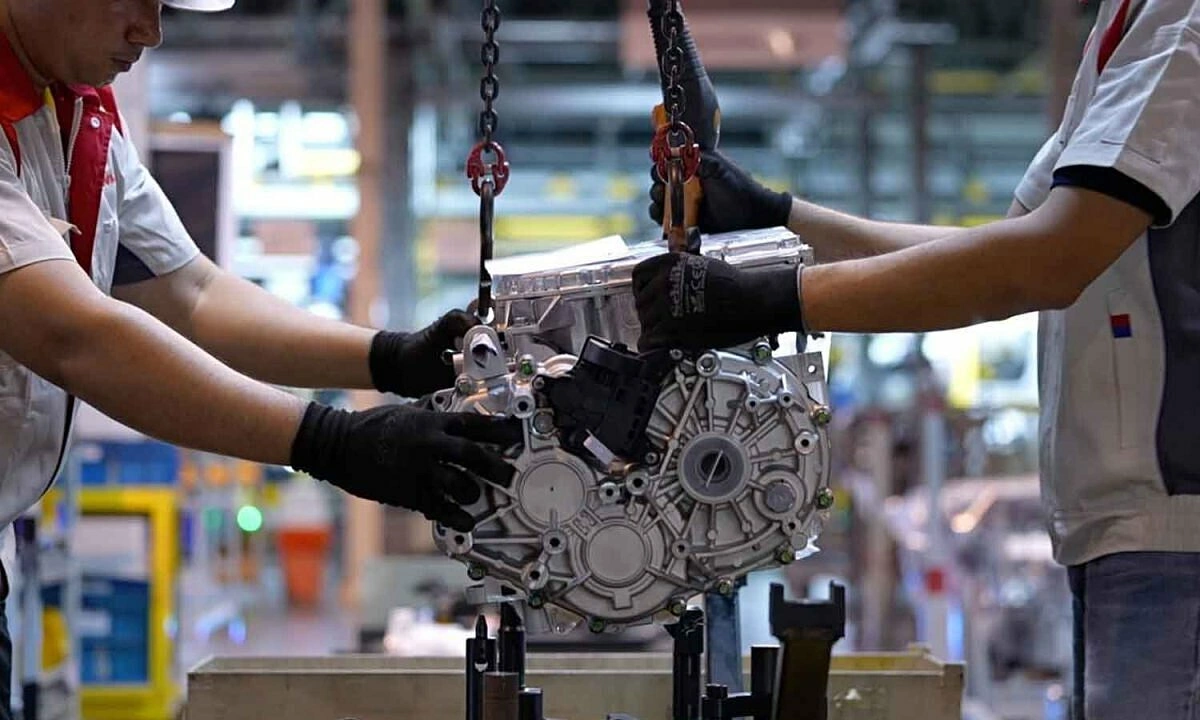
The automotive industry in Thailand is urging for an increased localization rate of electric vehicle (EV) components. This call is driven by concerns that the global shift towards EVs could jeopardize the existing domestic supply chain and harm local parts manufacturers. Industry leaders are advocating for policies that support the development and production of EV components within Thailand. The goal is to safeguard jobs and businesses that are integral to the current automotive ecosystem. Without proactive measures, many companies involved in traditional internal combustion engine (ICE) vehicle parts may face significant challenges or closure as the market transitions. This strategic push for localization aims to ensure Thailand remains a competitive player in the evolving automotive landscape. It also seeks to foster innovation and growth in the domestic EV component manufacturing sector. The industry's plea highlights the critical need for adaptation and investment to navigate the complexities of electrification.
The automotive industry's call for increased EV component localization in Thailand reflects a common challenge faced by established manufacturing hubs during technological transitions. As global demand shifts towards electric vehicles, countries heavily reliant on internal combustion engine (ICE) component production must strategically adapt their industrial policies. The core incentive for localization is to mitigate economic disruption by retaining value chains and employment within national borders. This approach aims to balance the imperative of embracing new technologies with the need to protect existing economic structures. The long-term success of such localization efforts will depend on factors including technological capacity, investment in research and development, and the ability to compete on cost and quality with international suppliers. Thailand's automotive sector is navigating a critical juncture, where proactive policy interventions are necessary to foster a sustainable transition to the electric era, rather than merely react to its inevitable arrival.
AI-generated to prompt reflection — not editorial opinion, not advice, not a statement of fact. How this works.