Thailand's Overland Canal Project Gains Momentum Amidst Opposition
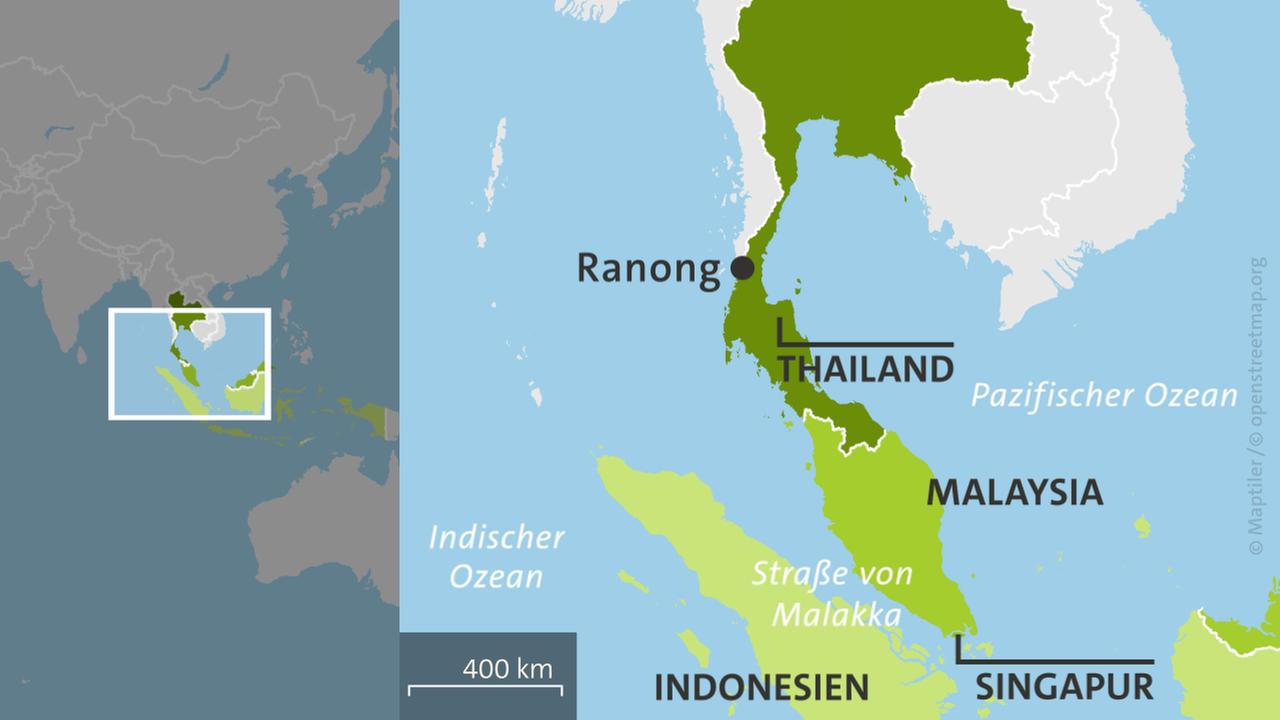
Thailand is reviving its ambitious plan to construct a massive overland canal across the Kra Isthmus, aiming to bypass the strategically vital Strait of Malacca. This project, which has been considered for decades, seeks to create a new shipping route that would significantly alter global trade dynamics. The proposed canal would connect the Andaman Sea with the Gulf of Thailand, offering a shorter and potentially more efficient passage for vessels. Proponents argue it would boost Thailand's economy, create jobs, and enhance its geopolitical standing. However, the colossal undertaking faces considerable opposition. Environmental concerns are paramount, with fears of irreversible ecological damage to sensitive marine ecosystems and coastal areas. Furthermore, there are geopolitical and security implications, as the project could shift regional power balances and potentially lead to increased competition for control over maritime routes. The economic viability and the immense financial investment required also remain subjects of intense debate. Despite these challenges, the renewed push indicates a persistent belief in the project's potential benefits.
The renewed interest in Thailand's Kra Isthmus canal project highlights a recurring tension between national economic ambition and regional stability. While the proposed bypass of the Strait of Malacca could offer logistical advantages and economic opportunities for Thailand, it also presents significant geopolitical risks. Such a large-scale infrastructure project could redraw maritime trade flows, potentially challenging existing regional security architectures and creating new dependencies. The environmental impact assessment will be critical, as any large-scale disruption to marine ecosystems could have long-term, cascading consequences. From a systems perspective, the project's success hinges on balancing competing interests: economic growth versus environmental sustainability, national development versus regional cooperation, and the allure of a new trade artery against the established, albeit congested, maritime pathways. The next decade, with its increasing focus on supply chain resilience and geopolitical realignments, will be a crucial period for evaluating the long-term viability and strategic implications of such transformative infrastructure proposals.
AI-generated to prompt reflection — not editorial opinion, not advice, not a statement of fact. How this works.