Thailand's Prime Minister Threatens Cannabis Industry Shutdown Amid Smuggling Concerns
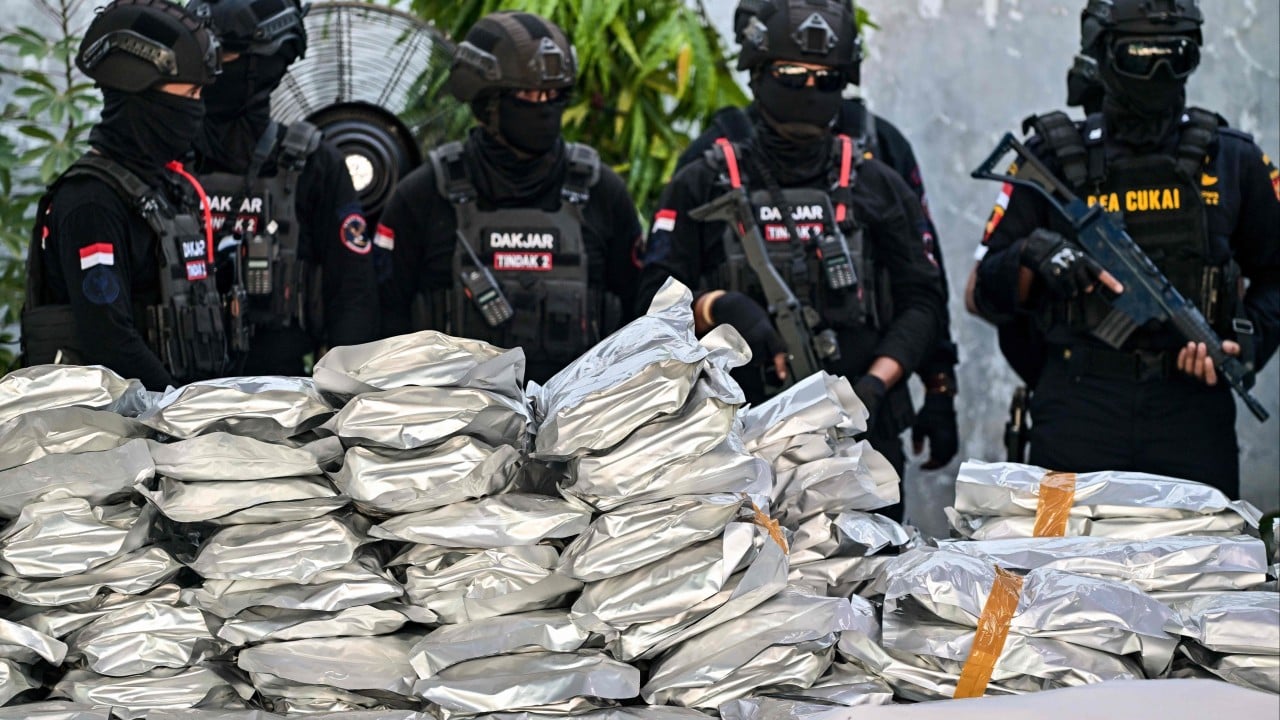
Thai Prime Minister Srettha Thavisin has threatened to "shut down" the country's cannabis industry following a significant increase in global smuggling of Thai-grown cannabis. Recent seizures of cannabis originating from Thailand have occurred in the United Kingdom, Germany, Indonesia, and Hong Kong, raising concerns about the nation's cannabis policy. Thailand was the first Asian country to decriminalize cannabis in June 2022, initially intending it as a medicinal crop to boost the agricultural economy. However, the regulatory framework has lagged behind the rapid proliferation of the industry. Four years after decriminalization, lawmakers are still debating control legislation. This has led to the widespread opening of high street dispensaries for recreational sales, while growers face challenges. The Prime Minister's strong stance suggests a potential regulatory crackdown if the smuggling issues are not addressed, impacting the future of Thailand's cannabis market.
The Thai government's initial decriminalization of cannabis, intended for medicinal purposes, has encountered significant challenges due to a lack of robust regulatory oversight. The proliferation of recreational dispensaries and subsequent international smuggling indicate a divergence between policy intent and market reality. This situation highlights the complex governance required to manage newly legalized industries, balancing economic opportunity with public safety and international compliance. The Prime Minister's threat to shut down the industry suggests a potential recalibration, possibly favoring stricter controls or a return to prohibition if effective regulation cannot be swiftly implemented. Future policy decisions will likely hinge on the government's capacity to establish and enforce clear guidelines that prevent illicit diversion while potentially preserving a regulated medicinal market.
AI-generated to prompt reflection — not editorial opinion, not advice, not a statement of fact. How this works.