The '18-Year Barrier' Hindering Work-Life Balance: Systems to Prevent Career Disruption
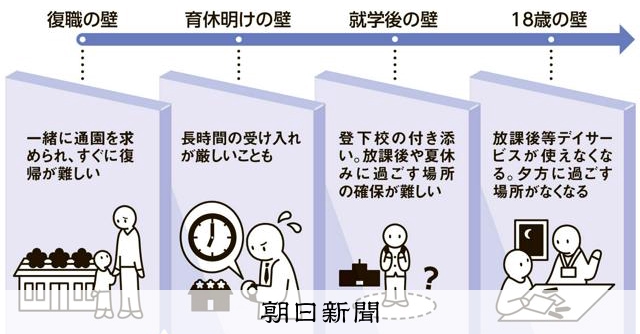
The '18-year barrier' refers to a significant challenge faced by parents in Japan who struggle to balance work and childcare responsibilities until their children turn 18. This period often sees parents, particularly mothers, facing a critical risk of leaving their jobs due to the demanding nature of raising children. The current system in Japan does not adequately support these individuals, leading to a high rate of career disruption.
Various systems and policies are being explored and implemented to mitigate this issue. These include enhanced parental leave options, flexible working arrangements, and increased availability of affordable childcare services. The goal is to create an environment where parents can continue their careers without sacrificing their family responsibilities. Addressing this barrier is crucial for gender equality in the workplace and for ensuring the economic stability of families.
The '18-year barrier' highlights a systemic challenge in Japan's labor market and social structure, where the demands of child-rearing intersect with career progression. This issue reflects broader global trends concerning work-life integration, particularly for women, and underscores the need for robust social infrastructure. Future policy interventions may need to consider not only direct financial support but also the cultivation of corporate cultures that normalize flexible work and shared parental responsibilities. Examining the long-term economic implications of career interruptions for individuals and the national workforce is essential for developing sustainable solutions that align with demographic shifts and evolving societal expectations.
AI-generated to prompt reflection — not editorial opinion, not advice, not a statement of fact. How this works.