The All-Seeing Eye: Metapoetic Horror in the 2000s Explored
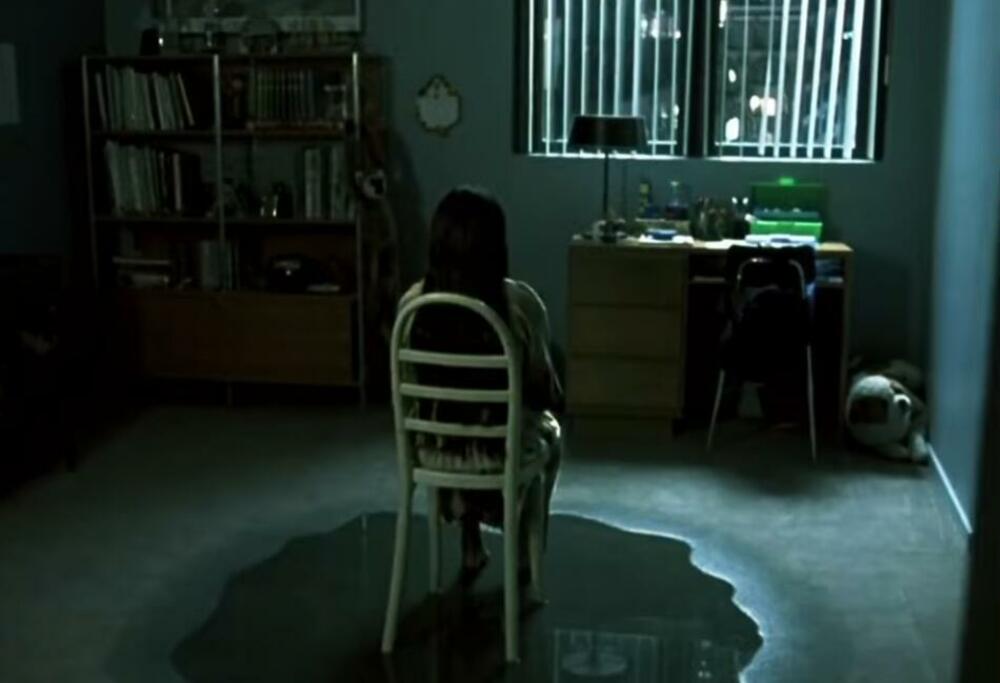
This article delves into the concept of the 'all-seeing eye' within the context of metapoetic horror, specifically focusing on its manifestation in the 2000s. It posits that in horror, the visual and the cognitive are intrinsically linked, suggesting that what we see and what we understand are inseparable elements of the genre. The piece explores how this duality plays out in narratives, where the act of perception itself becomes a source of terror or unease. The author examines how filmmakers and writers in the early 21st century utilized visual motifs and narrative structures to create a sense of pervasive observation or inescapable knowledge. This approach often blurs the lines between the observer and the observed, challenging the audience's sense of security and agency. The metapoetic aspect suggests a self-aware commentary on the nature of horror itself, questioning how we consume and interpret terrifying narratives. The article implies that this era of horror was particularly adept at exploiting the anxieties associated with surveillance and the loss of privacy, translating them into compelling and unsettling cinematic or literary experiences. Ultimately, the piece argues for a deeper understanding of how visual representation and cognitive engagement intertwine to create the unique impact of metapoetic horror.
The exploration of the 'all-seeing eye' in 2000s metapoetic horror highlights a recurring theme in narrative art concerning surveillance and knowledge. This trope reflects societal anxieties about increasing technological observation and the potential for information to be both empowering and overwhelming. By linking the visual and cognitive, such narratives prompt reflection on how perception shapes reality and the psychological impact of feeling constantly scrutinized. The genre's engagement with these themes can be seen as a cultural barometer, indicating shifts in public consciousness regarding privacy, data, and the nature of truth in an increasingly mediated world. This analytical lens suggests that the enduring power of such horror lies not just in jump scares, but in its capacity to tap into fundamental human concerns about autonomy and understanding in the face of pervasive external forces.
AI-generated to prompt reflection — not editorial opinion, not advice, not a statement of fact. How this works.