The Archaeology of Affection: Cosmetic Surgery and the Desire to Feel Chosen
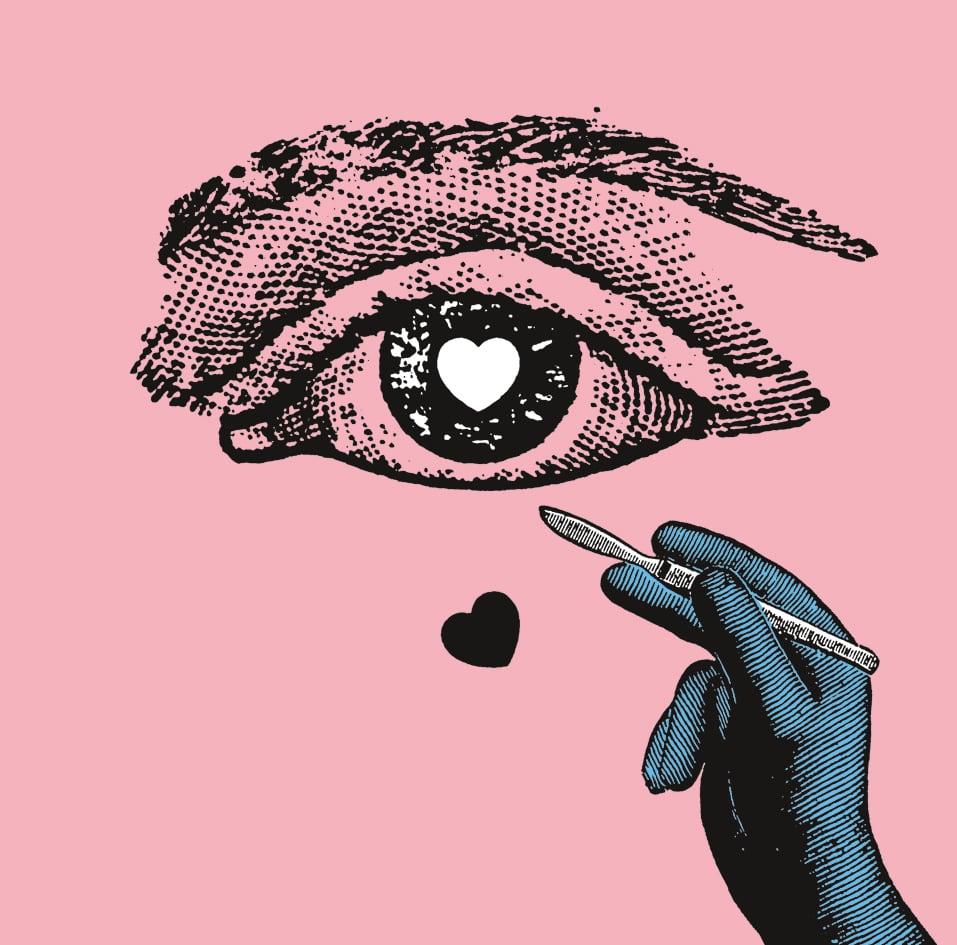
The article "Archaeology of Affection" explores the human desire to feel chosen, particularly in the context of romantic relationships and aging. It suggests that cosmetic surgery is often pursued as a means to delay the moment when individuals feel they are no longer desirable or chosen by others. This pursuit reflects a deeper psychological need for validation and a fear of obsolescence as one ages. The piece delves into the emotional and social underpinnings of these aesthetic interventions, framing them not just as superficial vanity but as a response to societal pressures and personal anxieties about attractiveness and desirability. It posits that the desire to remain 'chosen' is a fundamental aspect of human connection, and cosmetic procedures become a tangible, albeit artificial, way to strive for that feeling. The article encourages a reflection on the societal narratives that link youth and beauty with being chosen, and the potential emotional cost of chasing an idealized state of perpetual desirability.
The pursuit of cosmetic surgery to feel 'chosen' highlights a societal valuation of external validation tied to physical appearance and youth. This phenomenon reflects a broader cultural narrative that links desirability with specific aesthetic standards, potentially creating a cycle where individuals feel compelled to alter their appearance to maintain social and romantic relevance. From a systemic perspective, this trend underscores the influence of media and consumer culture in shaping self-perception and the market dynamics that profit from these insecurities. Looking ahead, as AI and biotechnology advance, the definition of 'chosen' and the methods for achieving it may evolve, prompting a re-evaluation of intrinsic worth versus externally validated attractiveness.
AI-generated to prompt reflection — not editorial opinion, not advice, not a statement of fact. How this works.