The Beatles in Tokyo, 1966: How a Quiet Audience Exposed Their Worst Live Performance
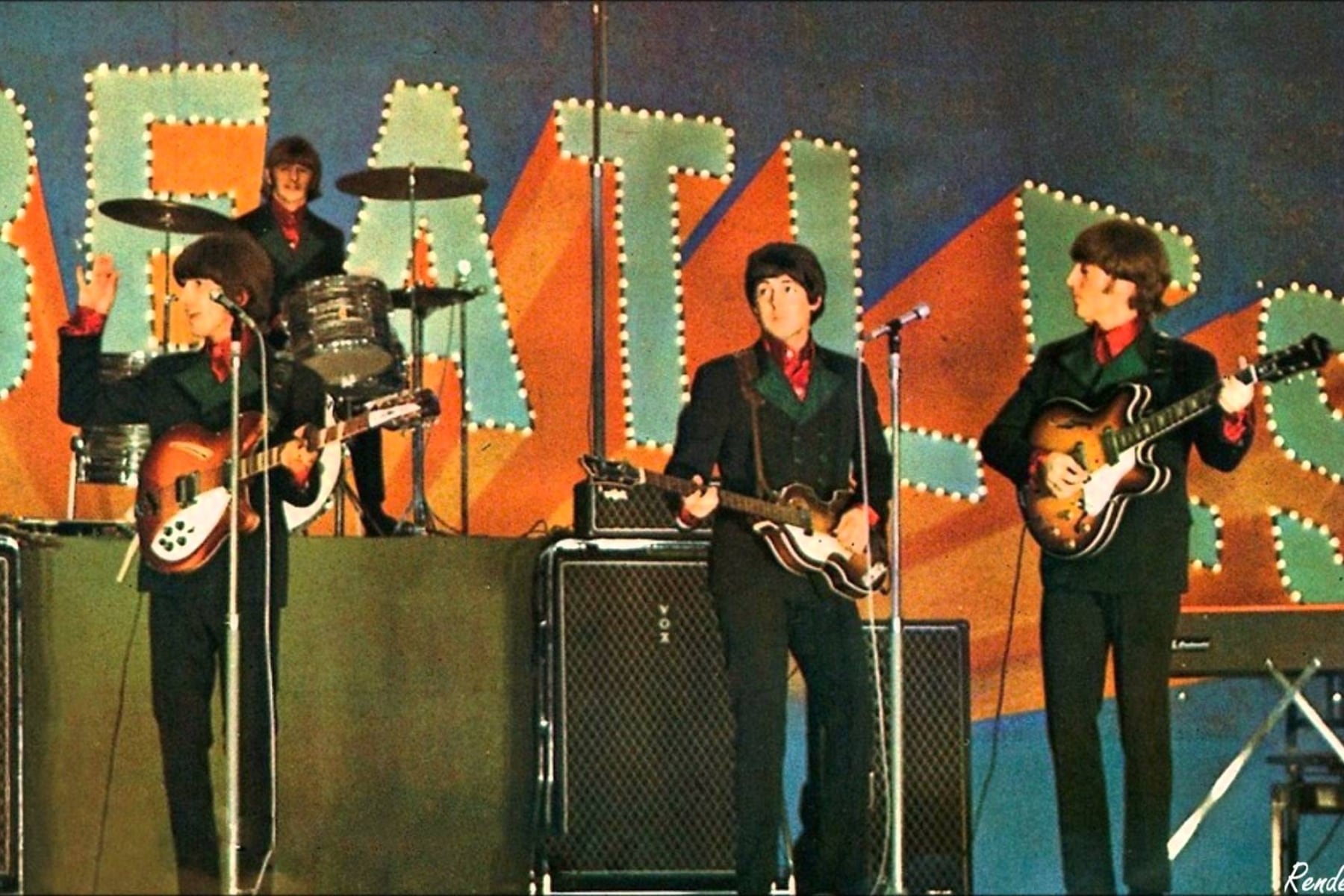
In 1966, The Beatles arrived in Tokyo for a series of concerts at the Nippon Budokan. Accustomed to the deafening roar of their usual crowds, they were met with an unexpectedly silent audience. This stark contrast to their typical reception made the band members acutely aware of their own performance for the first time in years. They realized they were playing out of tune, a moment of self-awareness that highlighted significant issues with their live sound. This experience in Tokyo marked the beginning of the end for their live performances, as the band began to retreat from the stage shortly thereafter. The quiet reception in Japan served as a catalyst, exposing the challenges they faced in replicating their studio sound in a live setting and contributing to their decision to stop touring.
The Beatles' 1966 Tokyo concerts at the Nippon Budokan represent a critical juncture where the band's live performance capabilities were starkly contrasted with their studio innovations. The unexpected silence of the Japanese audience, accustomed to more reserved concert etiquette, inadvertently revealed acoustic challenges and performance discrepancies that the band had perhaps grown accustomed to overlooking amidst the clamor of previous tours. This moment underscores the evolving nature of musical performance in the mid-1960s, as artists grappled with the increasing complexity of their sound and the limitations of live amplification and audience reception. The experience likely fueled internal discussions about the sustainability of touring versus focusing on studio work, foreshadowing the band's eventual departure from live concerts and their subsequent prolific output in the recording studio.
AI-generated to prompt reflection — not editorial opinion, not advice, not a statement of fact. How this works.