The 'Black Block' No-TAV Movement: An Antagonist Multinational
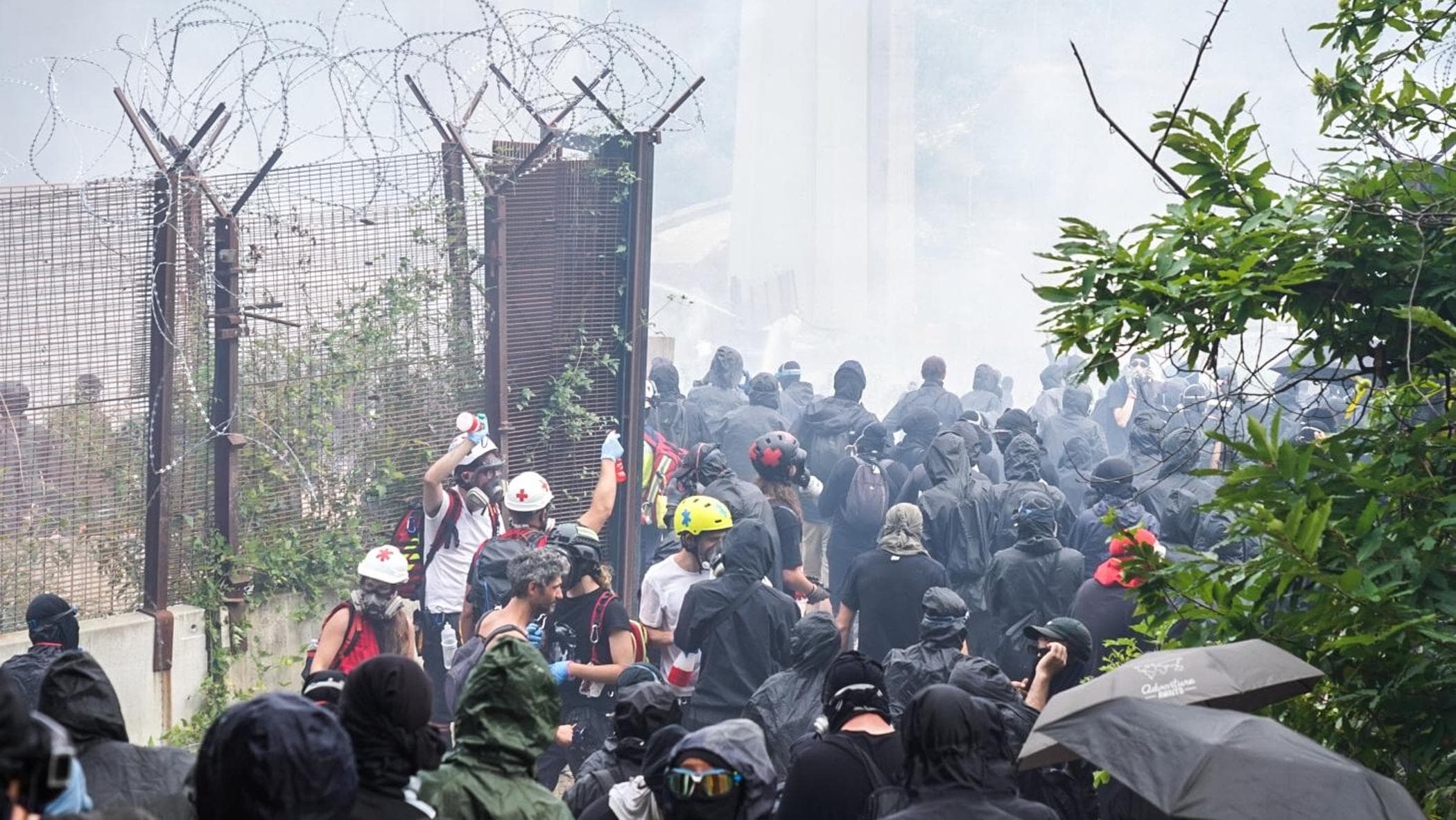
The 'Black Block' movement opposing the high-speed rail project (No-TAV) in Chiomonte, Italy, demonstrates a complex organizational structure. The core base of the demonstrators remains connected to the Turin-based social center Askatasuna. However, the movement has expanded its reach, attracting participants from various European countries, including France, Spain, and Great Britain. This international influx suggests a growing network of anti-establishment activists coordinating across borders. In contrast to its international connections, the movement's relationship with the local territory affected by the infrastructure project appears to be weakening. This dynamic highlights a potential disconnect between the broader activist network and the immediate community impacted by the No-TAV construction.
The 'Black Block' No-TAV movement's reliance on an international network of activists, while maintaining ties to a specific social center, reveals a strategic approach to protest mobilization. This structure allows for rapid deployment of resources and personnel across geographical boundaries, potentially amplifying the movement's visibility and impact. However, the reported weakening connection with the local territory raises questions about the long-term sustainability and legitimacy of the protest. A disconnect from local stakeholders could hinder the movement's ability to build broad-based support and address specific regional concerns, potentially limiting its influence on policy decisions. The future trajectory may depend on balancing international solidarity with localized engagement and addressing the evolving socio-economic landscape influenced by large-scale infrastructure projects.
AI-generated to prompt reflection — not editorial opinion, not advice, not a statement of fact. How this works.