The Curious Origin of 'Raita': More Than Just a Side Dish
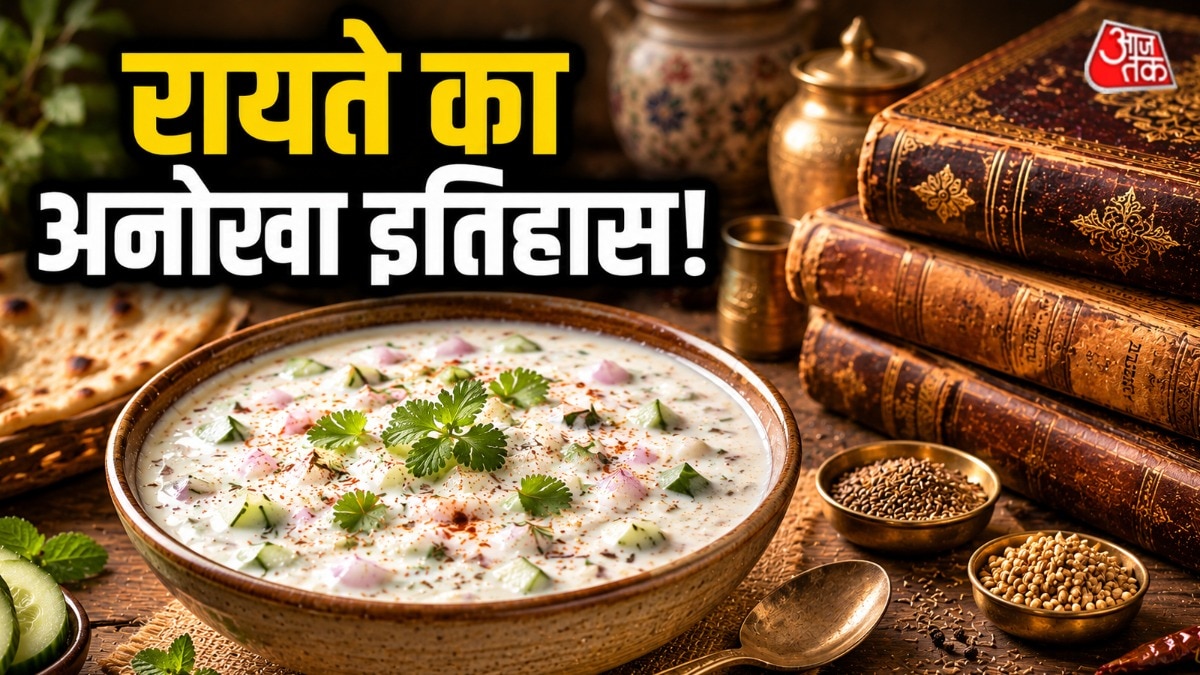
The popular accompaniment to biryani, raita, is not merely a side dish but a fascinating linguistic and historical misunderstanding. The name 'raita' itself has an interesting etymology that reveals its transformation over time. Understanding how 'rai' (mustard) evolved into 'raita' provides insight into the dish's cultural journey. This exploration delves into the linguistic roots and historical context that shaped the perception and naming of this culinary staple. The article aims to shed light on the specific evolution from 'rai' to 'raita,' uncovering the nuances behind its nomenclature. It highlights that the dish's identity is intertwined with a historical misinterpretation. The journey of raita's name is a testament to how language and culinary traditions can evolve and sometimes merge in unexpected ways.
The etymology of culinary terms like 'raita' often reveals fascinating shifts in language and cultural assimilation. While the exact historical path from 'rai' to 'raita' may be subject to interpretation, such linguistic evolution is common as dishes travel across regions and time. This phenomenon highlights how food names can become detached from their original meanings, taking on new identities. Understanding these linguistic journeys can offer insights into broader patterns of cultural exchange and adaptation, demonstrating that even seemingly simple dishes can carry layers of historical narrative.
AI-generated to prompt reflection — not editorial opinion, not advice, not a statement of fact. How this works.