The Decline of Spontaneous Play in Childhood
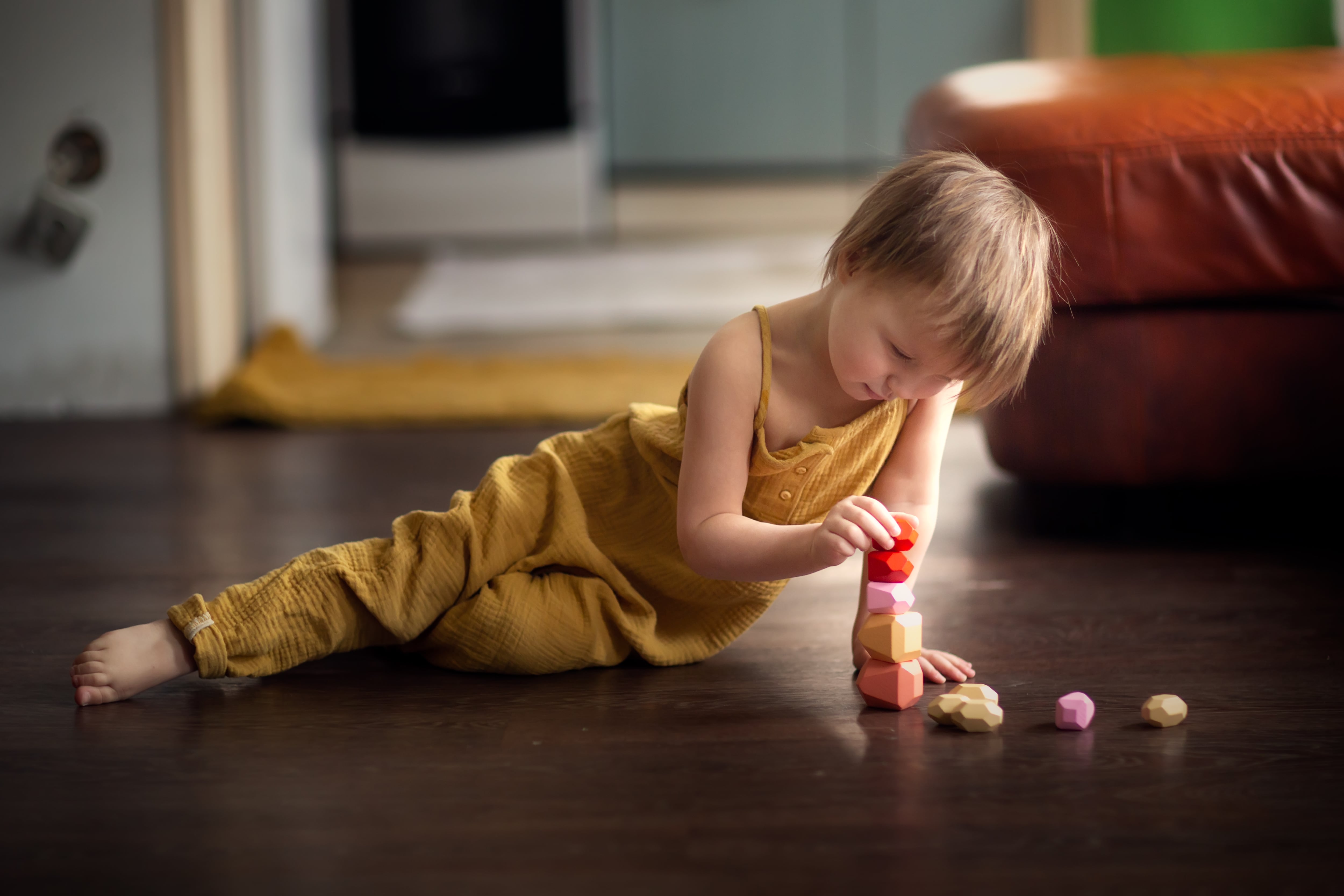
Children's spontaneous play is gradually disappearing due to several factors. The excessive use of screens is a primary contributor, consuming time that could otherwise be dedicated to imaginative activities. Furthermore, a perceived lack of time in modern childhood, coupled with increasingly structured and directed experiences, is limiting opportunities for free exploration. This shift means that children are less likely to engage in the kind of unstructured play that was common in previous generations. The consequences of this decline are significant, potentially impacting cognitive development, social skills, and overall well-being. Experts suggest that a return to more unstructured playtime is crucial for healthy child development. This includes allowing children more freedom to explore their own interests and make their own choices during playtime. The trend indicates a broader societal shift in how childhood is experienced, moving away from organic discovery towards more curated activities.
The diminishing role of spontaneous play in childhood warrants examination through the lens of evolving societal structures and technological integration. Increased screen time and structured activities, while often presented with beneficial intentions, may inadvertently curtail the development of crucial problem-solving and social-emotional skills fostered through unstructured exploration. Future generations may face challenges in adaptability and creativity if these foundational play experiences are not actively preserved. Understanding the incentive structures driving these changes—from educational pressures to entertainment industries—is key to fostering environments that support holistic child development in the digital age.
AI-generated to prompt reflection — not editorial opinion, not advice, not a statement of fact. How this works.