The Elusive $10 Billion Prize in AI Browsers: Why Chrome Remains Dominant
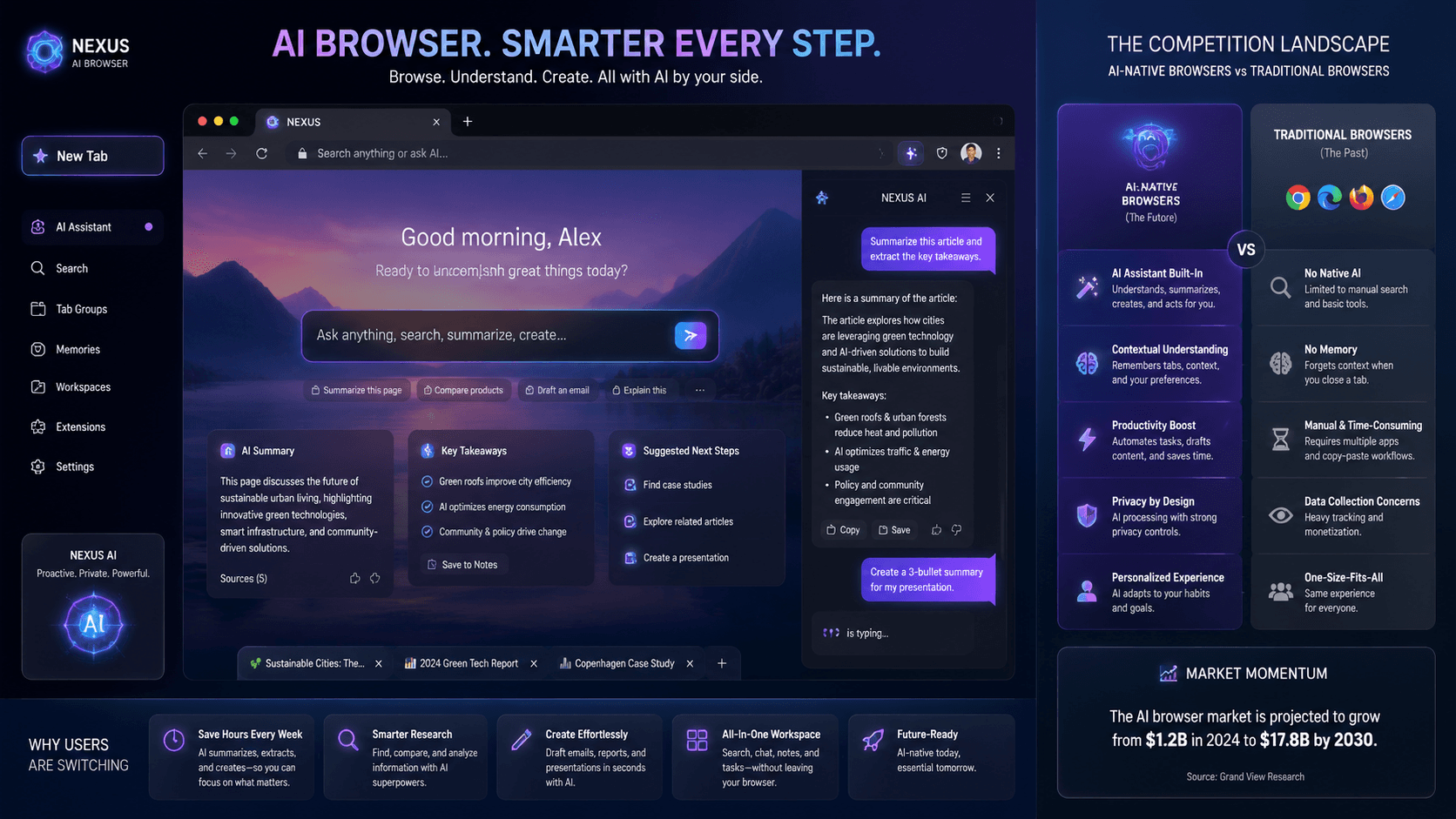
The race to create a dominant AI-powered browser has yet to yield a winner, despite significant interest and investment. Startups and major tech giants have made numerous attempts to challenge Google Chrome's long-standing position as the primary gateway to the internet. However, none of these efforts have succeeded in displacing Chrome from its market leadership. The potential prize for such an innovation is estimated to be around $10 billion, highlighting the immense commercial value of controlling the web browsing experience. The continued dominance of Chrome suggests that overcoming user inertia and established ecosystems presents a formidable barrier for new AI browser technologies. Despite the technological advancements in AI, the practical adoption and market penetration required to unseat a deeply entrenched competitor like Chrome remain elusive.
The persistent dominance of Chrome in the browser market, even in the face of substantial investment in AI-powered alternatives, highlights the complex interplay of user habits, network effects, and platform integration. While AI offers potential for enhanced user experiences, its successful integration into a browser must overcome the significant inertia associated with default settings and the vast ecosystem of extensions and services built around established platforms. Future AI browsers will likely need to demonstrate not just incremental improvements but a transformative shift in utility or efficiency to capture market share. This challenge underscores the difficulty of disrupting deeply entrenched digital infrastructure, where value is often derived not just from the core technology but from the surrounding network of user-generated content and developer support.
AI-generated to prompt reflection — not editorial opinion, not advice, not a statement of fact. How this works.