The Enduring Legacy of Sunda and West Java: From Ice Age to Independence
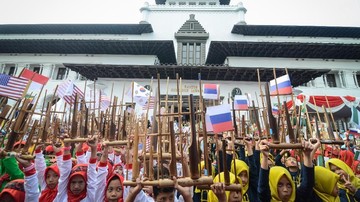
There is a growing discussion about renaming West Java Province to Tatar Sunda. This proposed change aims to emphasize the region's deeper cultural and historical identity. The name 'Sunda' itself has a long and rich history, tracing its roots back to ancient times. Evidence suggests the name was in use even during the Ice Age, indicating its deep historical significance. The region, known today as West Java, has been a cradle of Sundanese culture for centuries. The proposed renaming is seen as a move to reconnect with this heritage and acknowledge the distinct cultural landscape of the area. This initiative reflects a broader trend of regions seeking to assert their unique identities in the modern era. The historical context of the name Sunda, extending from prehistoric periods to the present day, underscores its importance. Proponents believe that adopting the name Tatar Sunda would better represent the cultural and historical narrative of the province. This discussion highlights the complex relationship between historical nomenclature, cultural identity, and regional governance.
The proposal to rename West Java Province to Tatar Sunda reflects a common societal impulse to align administrative boundaries with historical and cultural identities. Such renamings can serve to reinforce a sense of collective belonging and acknowledge the deep roots of indigenous cultures. However, the practical implications of such a change involve navigating existing legal frameworks, administrative structures, and public consensus. The long-term impact will depend on how effectively the new name can foster unity and cultural pride without alienating other communities or creating administrative complexities. This move also prompts consideration of how historical narratives are preserved and represented in contemporary governance, particularly in an era where digital platforms can amplify both cultural heritage and regional aspirations.
AI-generated to prompt reflection — not editorial opinion, not advice, not a statement of fact. How this works.