The Enduring Threat and Eradication of the Screwworm
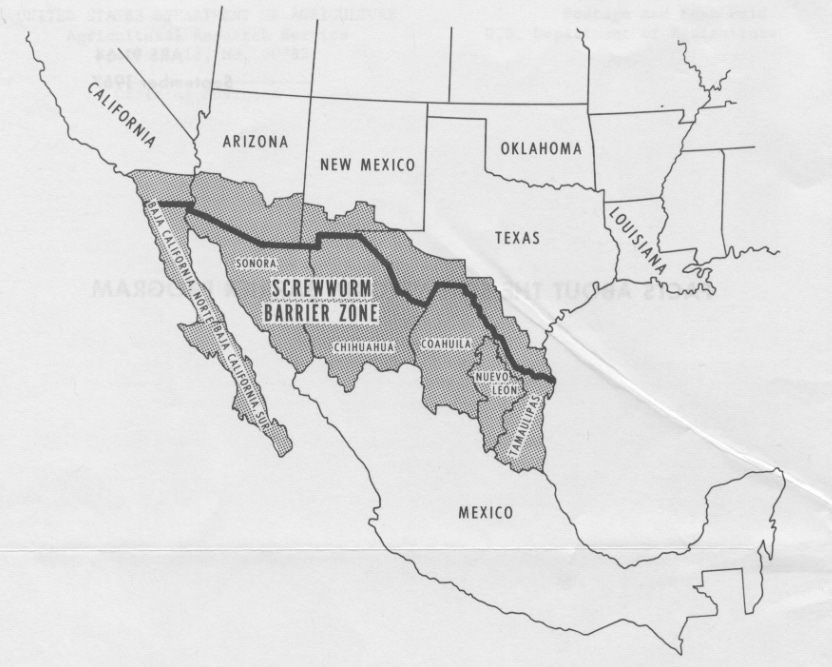
For generations, screwworms posed an annual threat, migrating northward from overwintering grounds in Mexico and South Texas each spring. This parasitic insect has historically caused significant damage to livestock and wildlife populations. The lifecycle of the screwworm involves adult flies laying eggs in the open wounds of warm-blooded animals. Once hatched, the larvae burrow into the living flesh, feeding on the host's tissue and causing severe distress and potential death. This recurring infestation has been a persistent challenge for ranchers and wildlife managers for an extended period. The control and eventual eradication of the screwworm have been major public health and agricultural concerns. Efforts to combat this pest have involved extensive monitoring and intervention strategies. The successful suppression and near-elimination of screwworm populations represent a significant achievement in pest management.
The historical struggle against the screwworm highlights the complex interplay between ecological systems, agricultural economies, and public health interventions. The recurring northward migration from Mexico and South Texas underscores the importance of transboundary cooperation in pest management. While eradication efforts have seen considerable success, the potential for reintroduction necessitates ongoing vigilance and robust surveillance systems. Future strategies will likely leverage advancements in genetic technologies and integrated pest management approaches to ensure long-term containment and prevent resurgence, particularly in the face of evolving environmental conditions and global trade.
AI-generated to prompt reflection — not editorial opinion, not advice, not a statement of fact. How this works.