The Engineering Challenge Behind the NES's Wobbly Picture
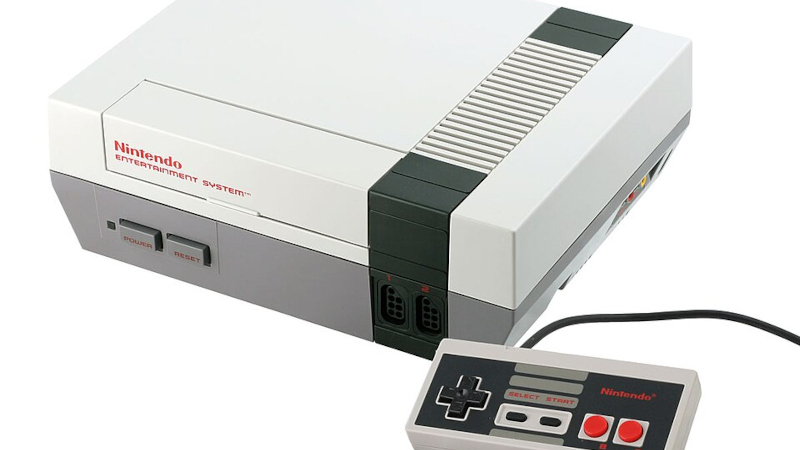
The NTSC television standard, a significant achievement of mid-20th century engineering, was designed to transmit a color image within the bandwidth originally allocated for monochrome signals. This complex system also ensured backward compatibility with older television sets. The Nintendo Entertainment System (NES) often displayed a 'wobbly' picture due to the inherent limitations and specific implementation of this NTSC standard. The system's design, while innovative for its time, pushed the boundaries of analog television technology. Achieving stable and precise video output required careful calibration and adherence to the NTSC specifications. Any minor deviations or processing limitations within the NES console or the television itself could manifest as visual artifacts, including picture instability. The 'wobbly picture' phenomenon is a testament to the intricate balance required to integrate digital graphics onto an analog broadcast system. It highlights the technical hurdles faced by early video game consoles in rendering graphics accurately on consumer televisions of the era. The NTSC standard's complexity meant that achieving a perfect picture was a constant engineering challenge.
The visual instability experienced with early video game consoles like the NES, when interpreted through the NTSC standard, reveals the inherent trade-offs in analog signal processing and backward compatibility. The challenge of encoding color information within a limited bandwidth, while maintaining compatibility with monochrome displays, necessitated design choices that could lead to such artifacts. This situation underscores a broader theme in technological evolution: the tension between legacy systems and the demands of new digital applications. As technology advances, the limitations of older infrastructure become more apparent, prompting innovation but also highlighting the engineering ingenuity required to bridge generational gaps. The 'wobbly picture' serves as a historical marker of the early digital age's reliance on analog foundations, a dependency that would eventually give way to more robust digital transmission standards.
AI-generated to prompt reflection — not editorial opinion, not advice, not a statement of fact. How this works.