The Epic Journey of a Perseid Meteor: Billions of Miles and Thousands of Years
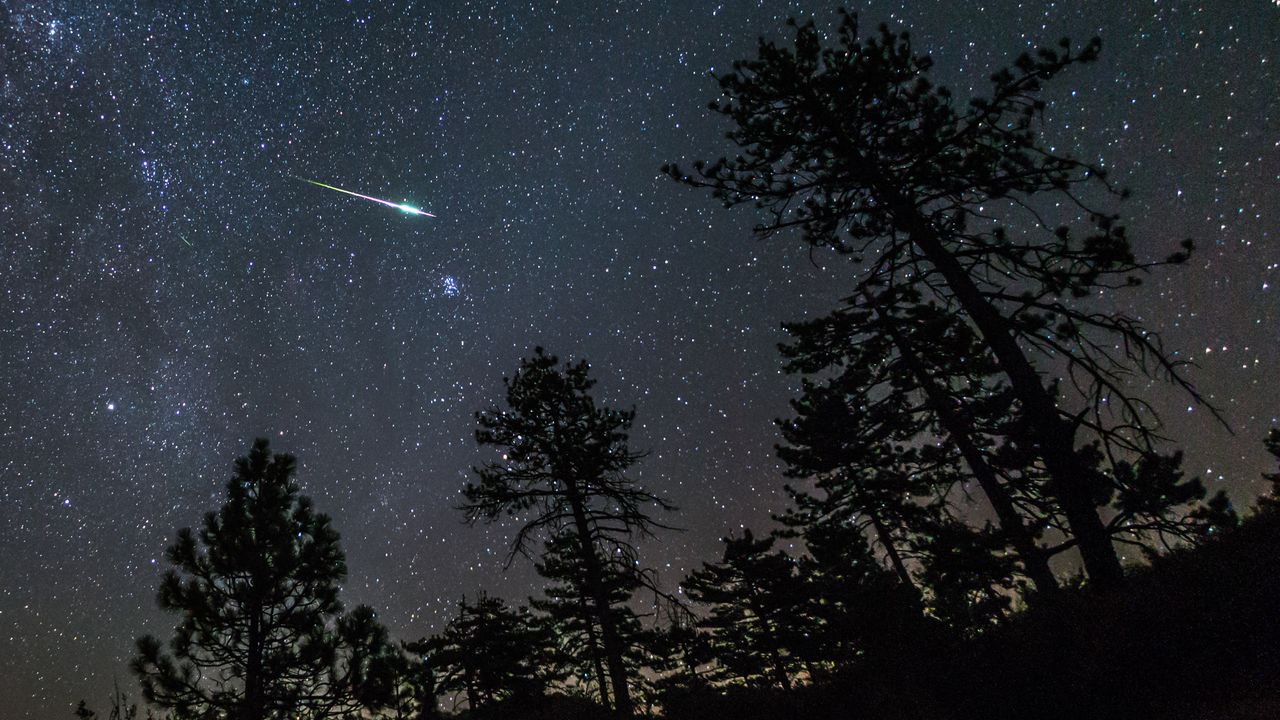
The Perseid meteor shower offers a spectacular celestial display, but the journey of each individual meteoroid is an epic tale spanning billions of miles and thousands of years. These tiny particles originate from Comet 109P/Swift-Tuttle, a celestial body that orbits the Sun approximately every 133 years. As Comet Swift-Tuttle traverses its orbit, it leaves behind a trail of dust and debris. When Earth passes through this debris field, typically around mid-August each year, these particles enter our atmosphere at high speeds. The friction with the atmosphere causes them to heat up and vaporize, creating the brilliant streaks of light we observe as shooting stars. The Perseids are particularly renowned for their brightness and frequency, often producing dozens of meteors per hour during their peak. The light we see from a Perseid meteor is the result of this rapid atmospheric entry, a fleeting moment that represents an incredibly long and complex cosmic history. Each shooting star is a tangible connection to the vastness of space and the dynamic nature of our solar system, a reminder of the ongoing celestial processes that shape our cosmic neighborhood.
The annual Perseid meteor shower serves as a vivid illustration of the solar system's dynamic, debris-filled nature. The event highlights the long-term orbital mechanics of comets and the predictable, yet awe-inspiring, interactions between celestial bodies and Earth's atmosphere. From a systems perspective, the shower is a recurring consequence of gravitational interactions and material shedding over vast timescales, demonstrating the persistence of cosmic dust trails. Understanding these processes is crucial for planetary defense, as it informs our knowledge of near-Earth objects and potential impact risks, even if the Perseid debris itself poses no threat. The annual display offers a low-cost, high-impact opportunity for public engagement with astronomy, fostering scientific curiosity and appreciation for the universe's grand cycles.
AI-generated to prompt reflection — not editorial opinion, not advice, not a statement of fact. How this works.