The Era of Accessible Luxury for the Masses Is Over
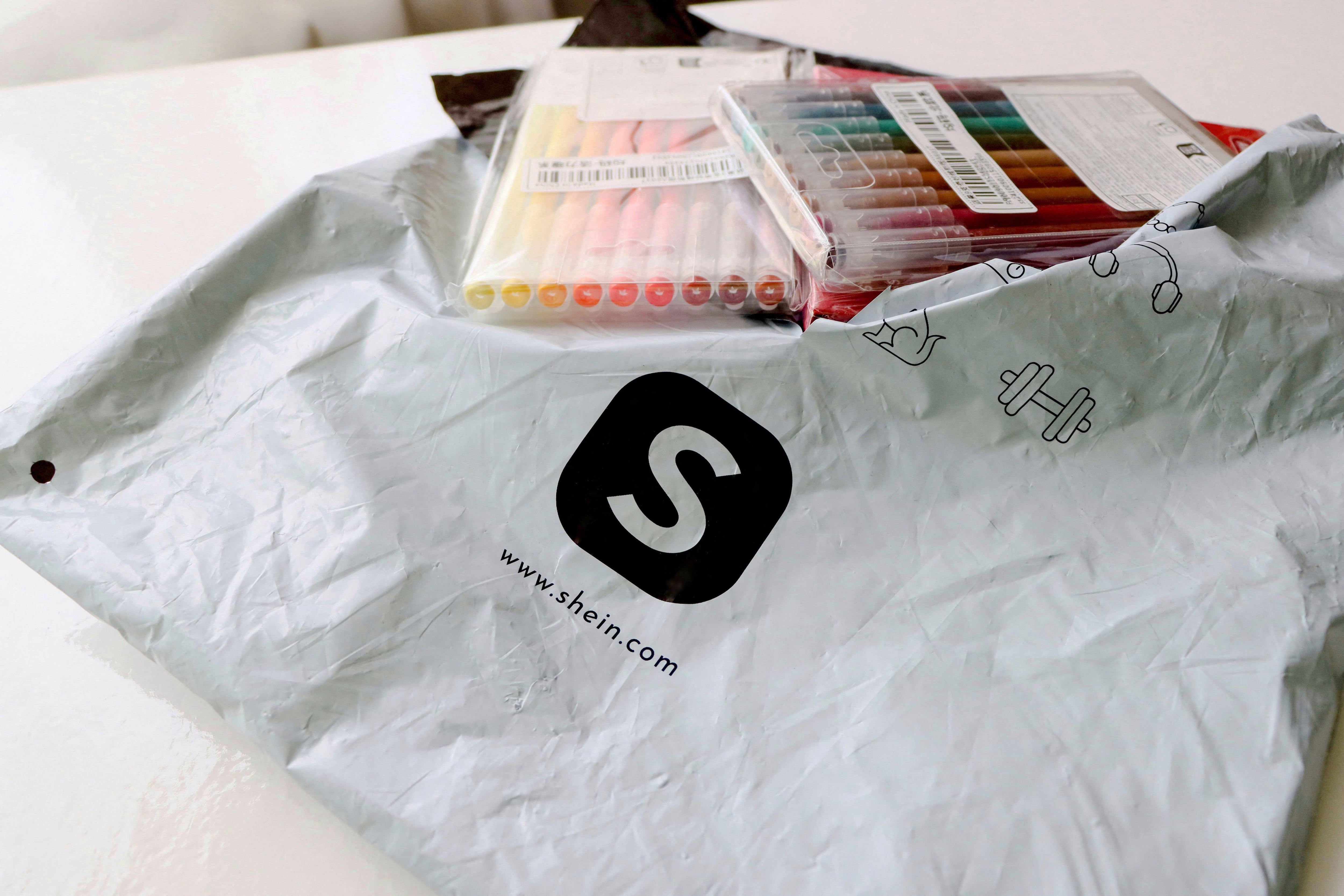
For several years, consumers experienced a period where they could own the same luxury goods as the wealthy, such as high-end phones. This democratization of luxury was fueled by the rise of online shopping, allowing ordinary people to make purchases at a volume comparable to celebrities like the Kardashians. However, this trend appears to be reversing. The article suggests that the accessibility of these aspirational products to a broader demographic is no longer the norm. This shift implies a return to a more traditional consumer landscape where luxury items are again predominantly within reach of the affluent. The reasons for this change are not explicitly detailed, but it marks a significant departure from the recent past.
The recent past saw a notable convergence of consumer access to aspirational goods, driven by e-commerce and globalized supply chains. This period democratized luxury consumption, blurring traditional socioeconomic distinctions in purchasing power for certain high-value items. However, the current economic climate, potentially influenced by inflation, supply chain disruptions, or shifts in brand strategy, appears to be reintroducing exclusivity. This reversion suggests a recalibration of market dynamics where brands may be prioritizing perceived value and scarcity over broad accessibility. Consumers may face a future where the ability to acquire certain luxury goods is once again a marker of economic status, prompting a reevaluation of consumption patterns and brand loyalty in the coming decade.
AI-generated to prompt reflection — not editorial opinion, not advice, not a statement of fact. How this works.