The Evolution and Future of Self-Driving Laboratories
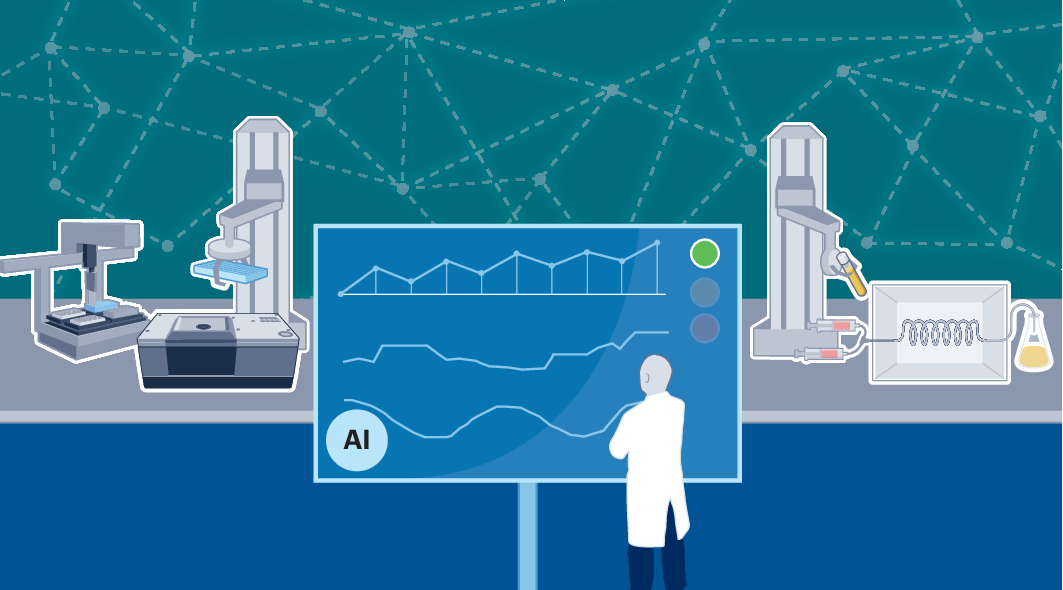
Self-driving laboratories represent a significant advancement in scientific research, automating the process of experimentation and discovery. These sophisticated systems integrate robotics, artificial intelligence, and machine learning to design, execute, and analyze experiments with minimal human intervention. The concept has evolved from early automated systems to highly integrated platforms capable of independent decision-making and hypothesis generation. Currently, these labs are being deployed across various scientific disciplines, including materials science, drug discovery, and chemistry, accelerating the pace of innovation. They can perform thousands of experiments in a fraction of the time it would take human researchers, leading to faster identification of new compounds, materials, and processes. The future of self-driving laboratories promises even greater autonomy, with AI systems capable of not only running experiments but also formulating novel research questions and designing entirely new experimental workflows. This could lead to paradigm shifts in how scientific breakthroughs are achieved, potentially solving complex global challenges more efficiently. The ultimate goal is to create a symbiotic relationship between human scientists and AI, where machines handle the repetitive and data-intensive aspects of research, freeing up human intellect for higher-level conceptualization and strategic direction.
The development of self-driving laboratories signifies a profound shift in the scientific method, moving towards greater automation and AI-driven discovery. This trend reflects broader societal movements towards leveraging artificial intelligence to enhance productivity and accelerate innovation across various sectors. The core incentive for developing these labs lies in overcoming the inherent limitations of human capacity in terms of speed, scale, and precision for complex experimental tasks. Looking ahead, the integration of these autonomous systems raises questions about the future role of human scientists, the potential for bias in AI-generated research pathways, and the ethical considerations surrounding AI-driven scientific breakthroughs. The long-term impact will likely involve a redefinition of scientific inquiry, where human creativity is augmented by machine intelligence, potentially leading to unprecedented advancements but also necessitating careful governance and oversight to ensure responsible development and application.
AI-generated to prompt reflection — not editorial opinion, not advice, not a statement of fact. How this works.