The Failure of 3D TVs and Hollywood's Struggles with the Technology
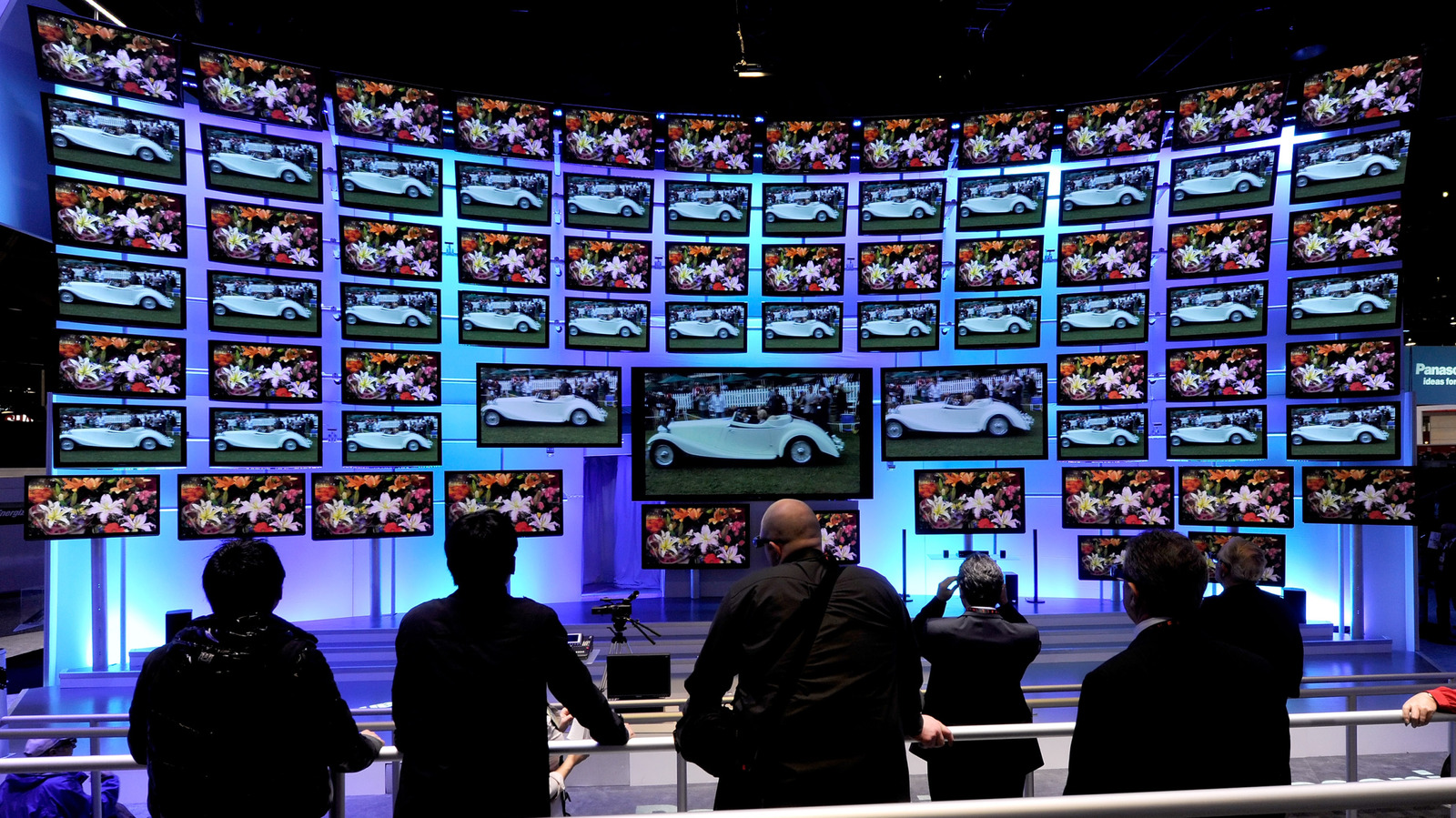
3D televisions ultimately failed to gain widespread consumer adoption due to a combination of factors, including user inconvenience and a lack of compelling content. The technology often required special glasses, which were cumbersome and detracted from the viewing experience. Furthermore, the quality of 3D movies released during the peak of the technology's promotion was frequently criticized, failing to impress audiences and further diminishing enthusiasm. This lack of engaging content meant that the novelty of 3D quickly wore off for many consumers. Hollywood's involvement, while initially promising, did not provide the sustained support needed to overcome these hurdles. The industry struggled to consistently produce high-quality 3D films that justified the extra cost and effort for viewers. Consequently, the market for 3D TVs dwindled, and manufacturers eventually phased out most models. The experience serves as a cautionary tale about the importance of user experience and content quality in the success of new technologies.
The market failure of 3D TVs illustrates the critical interplay between technological innovation, consumer experience, and content creation. While the technological ambition was present, the implementation introduced friction points for users, such as the need for specialized eyewear and potential discomfort. This inconvenience, coupled with a perceived lack of value from a weak content library, created a negative feedback loop. Hollywood's hesitant or inconsistent support suggests a miscalculation of consumer demand and willingness to invest in the 3D ecosystem. Looking ahead, any immersive technology must prioritize seamless integration into daily life and offer demonstrably superior content that justifies its adoption, rather than relying solely on novelty or a top-down industry push.
AI-generated to prompt reflection — not editorial opinion, not advice, not a statement of fact. How this works.