The Fallopian Tube: Crucial for Fertilization, Often Misunderstood and Undetected Failure
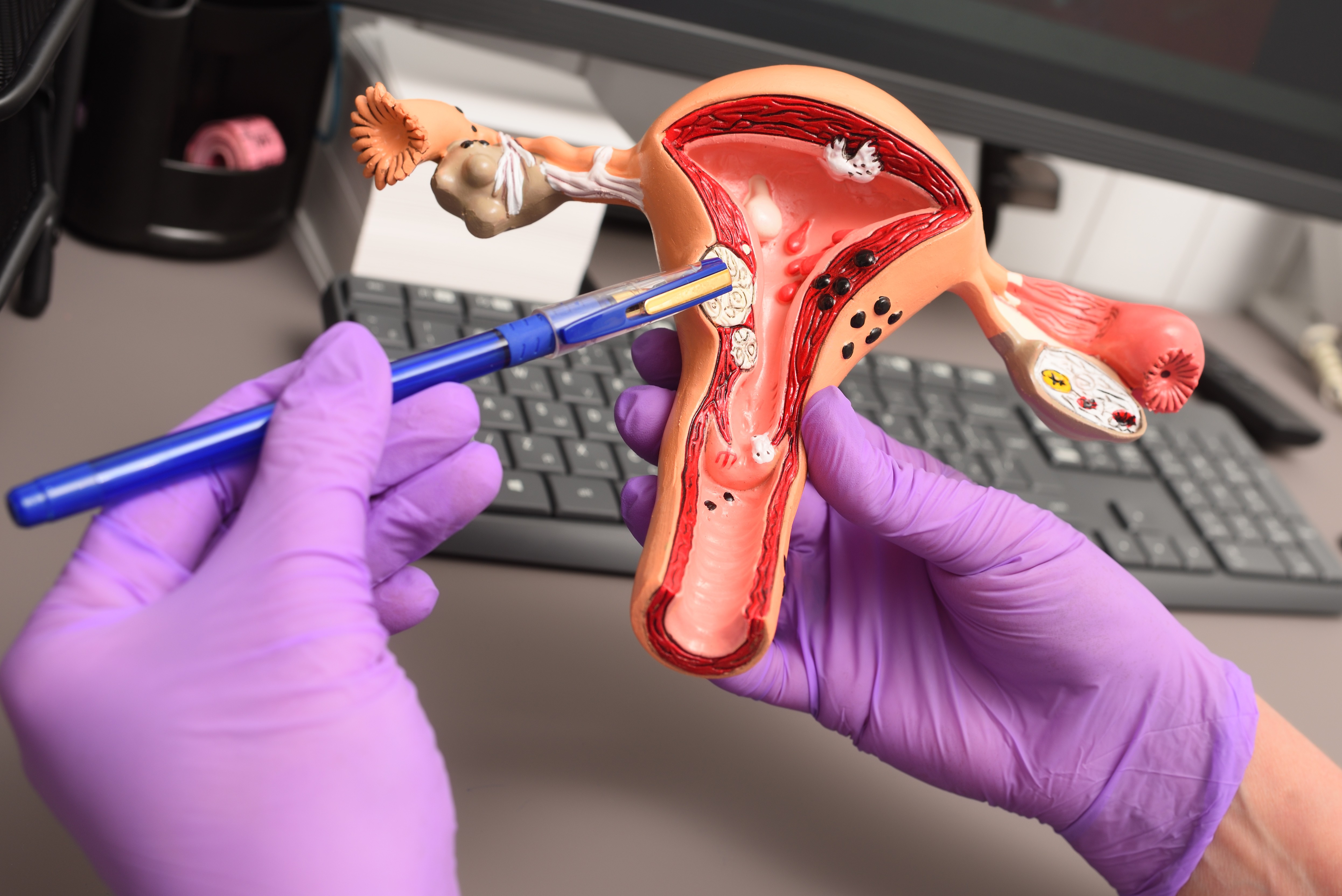
The fallopian tube, often oversimplified as a mere passage, plays a critical role in female fertility, serving as the site of fertilization and early embryonic development. Contrary to common understanding, the tube's function extends far beyond simply being unblocked; it actively facilitates the meeting of sperm and egg and the transport of the embryo to the uterus. This complex process involves specialized cilia lining the tube, which are essential for propelling the embryo. Experts like Paulo Galo, a reproductive specialist and professor at UERJ, emphasize that the tube's internal environment and cilia function are vital, yet these aspects are not assessed by standard infertility examinations.
Problems in the fallopian tube are a significant, yet often underestimated, cause of female infertility, affecting at least one in ten couples of reproductive age. Inflammation, frequently caused by infections like chlamydia and gonorrhea, can damage the tube without completely blocking it. A damaged tube may remain open but lose its cilia and the ability to nourish or transport a developing embryo, leading to infertility or ectopic pregnancies. Current diagnostic methods, such as hysterosalpingography and hysterosonography, primarily determine if the tube is open or blocked, failing to reveal functional impairments. This diagnostic gap contributes to cases labeled as unexplained infertility, where a functionally compromised tube may be the underlying issue.
Surgical interventions for damaged fallopian tubes are often unsuccessful, as inflammation can cause widespread damage that is difficult to repair precisely. Reversing tubal ligation, where a healthy tube is reconnected, generally has better outcomes than attempting to fix a tube damaged by disease. For irreparable fallopian tube issues, in vitro fertilization (IVF) bypasses the tubes by fertilizing eggs and developing embryos in a laboratory before transferring them to the uterus. However, IVF success rates are significantly influenced by the woman's age, with chances decreasing substantially after 30. Experts stress that the fallopian tube's silent failures, undetectable by routine tests, can lead to diminished fertility windows, underscoring the importance of not underestimating its role.
The article highlights a critical blind spot in reproductive health diagnostics, where the functional integrity of the fallopian tubes is often overlooked despite their crucial role in fertilization and early embryo transport. Standard imaging techniques assess patency but not the intricate cellular mechanisms, such as cilia function, necessary for successful conception and implantation. This diagnostic limitation contributes to unexplained infertility, potentially delaying appropriate interventions and impacting patient outcomes. The reliance on IVF as a primary solution for tubal dysfunction, while effective, underscores the limitations of current medical understanding and the need for advanced diagnostic tools that can assess the functional capacity of reproductive organs. Future advancements may focus on non-invasive methods to evaluate tubal physiology, potentially improving early detection and treatment strategies, and mitigating the impact of age-related fertility decline.
AI-generated to prompt reflection — not editorial opinion, not advice, not a statement of fact. How this works.