The Future of Freight Rail: A Key to Lower Logistics Costs
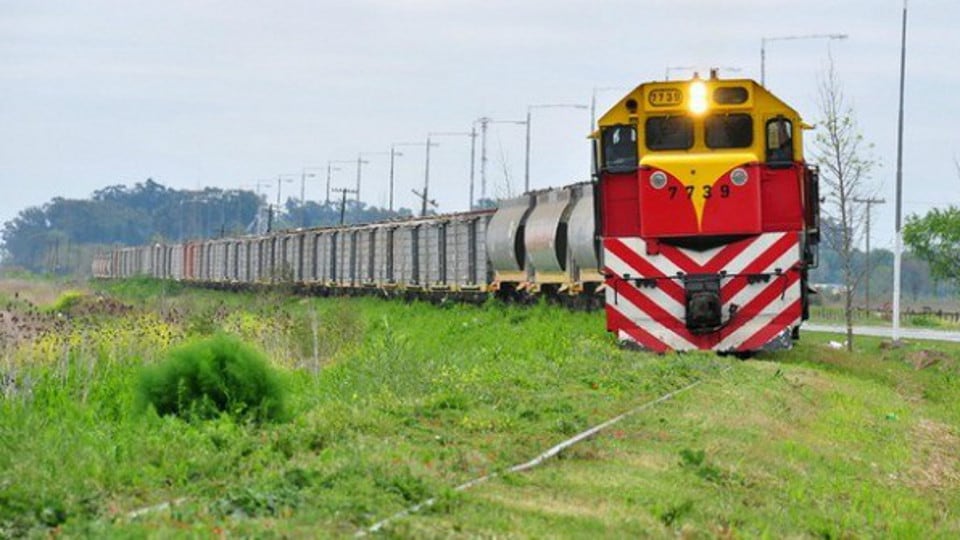
Freight rail, when well-managed, has the potential to become a decisive tool for reducing logistics costs. This improvement can lead to enhanced productivity across various industries. Furthermore, efficient rail operations can facilitate the expansion of production volumes. The strategic importance of freight rail lies in its capacity to streamline supply chains and boost economic efficiency. By optimizing its management, countries can unlock significant benefits for their economies. This includes making goods more competitive through lower transportation expenses. Ultimately, a robust freight rail system is crucial for sustained economic growth and improved national productivity.
The strategic development of freight rail infrastructure presents a significant opportunity to optimize national logistics networks. Effective management can unlock substantial economic benefits, including reduced operational costs and increased output capacity. This system's potential impact on productivity and competitiveness warrants careful consideration of investment and regulatory frameworks. Future advancements in rail technology and operational efficiency could further amplify these advantages, positioning freight rail as a cornerstone of sustainable economic development in the coming decade.
AI-generated to prompt reflection — not editorial opinion, not advice, not a statement of fact. How this works.