The Golden Age of TV Series: What Remains After Its Peak Popularity?
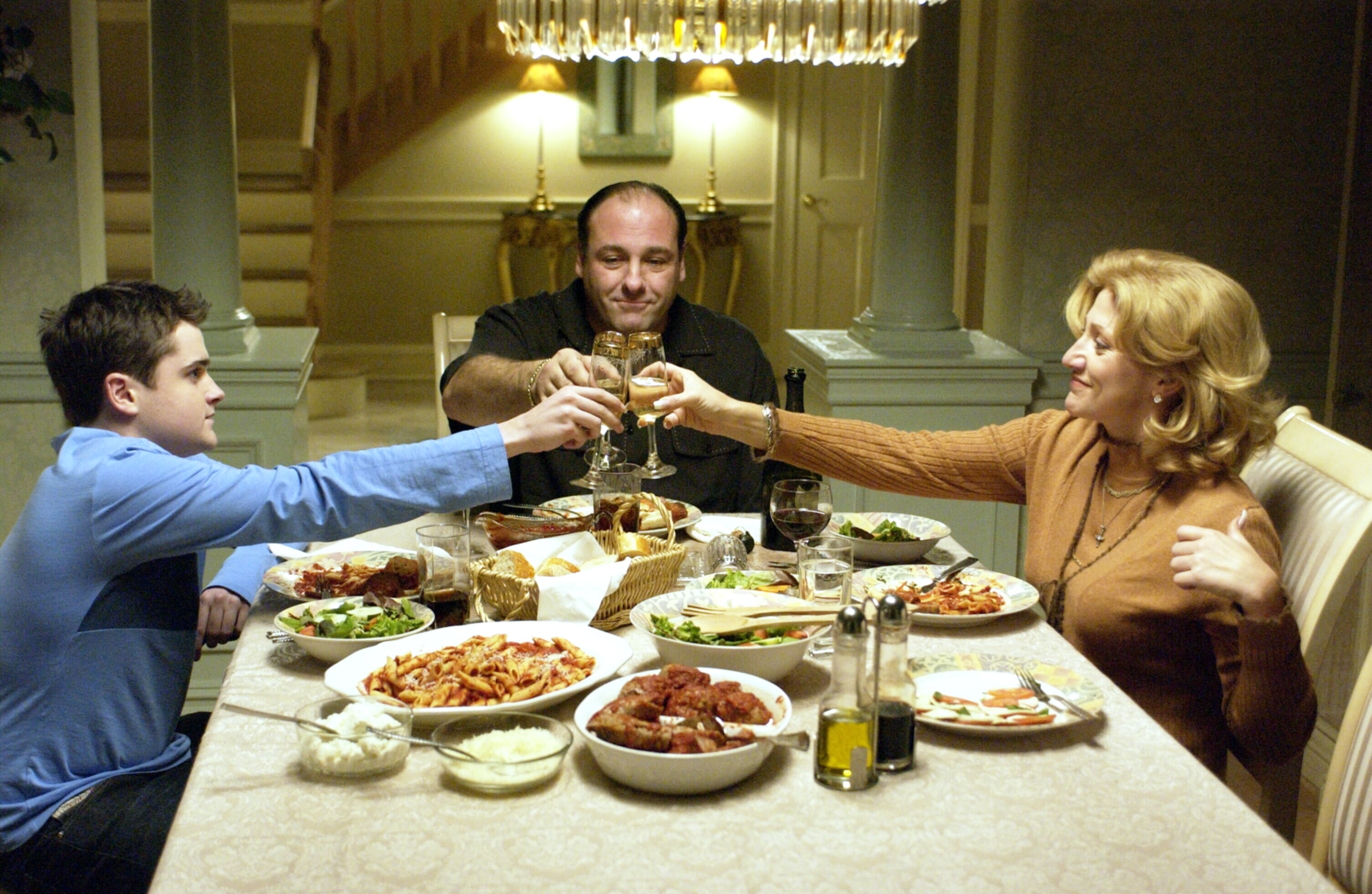
The golden age of television series, marked by groundbreaking shows like 'The Sopranos,' has passed its peak popularity. Following the rise of Silicon Valley and the subsequent explosion of streaming platforms, the television industry is now facing significant challenges. This era, once characterized by unprecedented growth and innovation in storytelling, has left behind a landscape that is struggling to find its footing. The proliferation of content across numerous platforms has led to market saturation, making it increasingly difficult for new series to gain traction and for established ones to maintain their audience. The industry is described as wounded and inflated, suggesting a period of unsustainable growth followed by a difficult contraction. This shift signifies a potential loss of the creative and commercial momentum that defined the previous decade. The struggle for relevance and audience attention is now a defining characteristic of the contemporary television landscape.
The television industry's 'golden age' appears to have transitioned from a period of expansion and creative dominance to one of consolidation and market recalibration. The influx of capital and technological innovation, driven by tech giants, initially fueled unprecedented content creation. However, this led to a market oversaturated with options, challenging traditional audience engagement models and the economic sustainability of numerous platforms. The current phase may reflect a necessary market correction, where the focus shifts from sheer volume to sustainable value and distinctiveness. Future success will likely depend on adapting to evolving consumer behaviors, leveraging AI for personalized content discovery and production efficiencies, and navigating the complex competitive dynamics between established media conglomerates and new digital entrants.
AI-generated to prompt reflection — not editorial opinion, not advice, not a statement of fact. How this works.